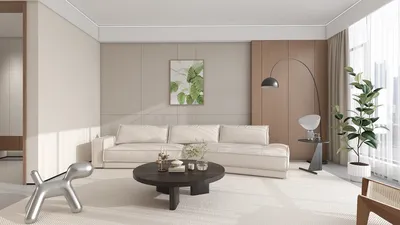


Expanding your living space through the design of an addition floor plan can be an exhilarating journey, significantly improving both the functionality and aesthetic of your home. Whether you aspire to add a new bedroom, a spacious family room, or a dedicated home office, meticulous planning is essential. Initially, evaluate the existing layout of your residence—how can your new space enhance what’s already there? Consider the flow and accessibility; a thoughtfully designed addition should create a fluid transition from old to new, giving your home a harmonious feel.
Next, assessing the unique limitations and possibilities of your property is crucial. Often, local building codes and zoning regulations will outline what modifications are permissible. For example, what are the boundaries for expanding your home? Are there height limitations? Gaining clarity on these aspects early will save you valuable time and resources later on.
Another vital factor in designing addition floor plans is reflecting on your family's specific needs. Will this new area serve a particular function, or is it primarily aimed at enhancing comfort? Perhaps you envision a play area for children or a guest suite for visiting friends. Regardless of your intention, prioritize your requirements and tailor your design accordingly. Remember that your addition should fulfill your current needs while remaining adaptable for future changes.
Once you have a solid grasp of your objectives and constraints, it’s time to unleash your creativity! Make use of design software like Homestyler to visualize your concepts. With a comprehensive library of furniture and decor at your fingertips, you can experiment with various layouts and styles to discover the ideal arrangement. Additionally, the software's impressive rendering capabilities will allow you to envision how your new addition will look upon completion.
Also, consider how the exterior of your home will interact with the new addition. It’s vital that your expansion enhances the overall curb appeal instead of detracting from it. Pay attention to materials, colors, and architectural elements that will ensure the new space integrates seamlessly into the existing design. A thoughtfully constructed addition can even boost your property’s value, making it a wise investment.
In conclusion, the process of designing addition floor plans combines creativity, practicality, and exhaustive planning. By evaluating your existing layout, understanding local regulations, prioritizing your family’s needs, and utilizing design software like Homestyler, you can create a living space that truly enhances your home. Whether it’s a cozy reading nook or a spacious expansion, your addition can effectively address your evolving needs.
Tips 1:
Begin by sketching your ideas on paper before transitioning to digital design. This can help clarify your vision.
FAQ
Q: How can I determine the best type of addition for my home? A: Evaluate your needs and the current layout, then explore various options that could improve functionality.
Q: Am I required to obtain a permit for my home addition? A: Yes, most areas mandate permits for home additions; consult your local building department for specifics.
Q: How can I ensure that my addition matches the style of my existing home? A: Aim to use similar materials, colors, and architectural details to achieve a cohesive appearance.
Welcome to Homestyler!

Modern Contemporary Fabric Curved Sofa With Decorative Throw Pillows 3D Model
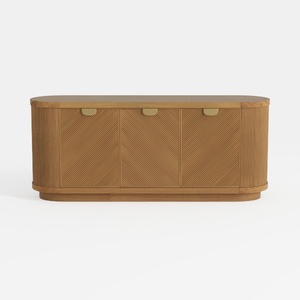
Modern Minimalist Solid Wood Fluted Sideboard with Brass Accents 3D Model
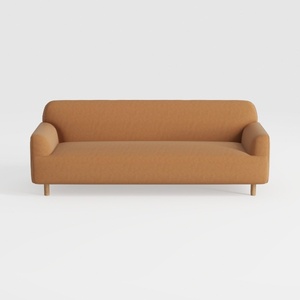
Minimalist Fabric Wooden Legs Sofa 3D Model
Transform your home with Homestyler! This user-friendly online design platform offers a powerful design tool, stunning 3D renderings, and an array of DIY video tutorials. Whether you're a beginner or a pro, you'll find endless inspiration and resources to turn your ideas into reality.
立即免费设计
































