


Effective hall design emphasizes the importance of light and proportions, moving beyond simply selecting an attractive laminate sample. In my work, the best combinations of sunmica, or laminate, are those that consider natural daylight, the temperatures of artificial lighting, and the behavior of people in shared spaces. The Illuminating Engineering Society (IES) suggests that typical living areas perform optimally between 100–300 lux for general usage, with specific zones needing higher levels; the way colors appear changes at 2700–4000K compared to beyond 5000K+, necessitating careful selection of palettes in relation to these criteria (source: ies.org/standards). Furthermore, studies on color psychology show that warm neutrals and muted greens can alleviate visual strain and enhance comfort in social areas—Research from Verywell Mind indicates that hues of blue and green often evoke feelings of calmness and stability, whereas yellows can create a sense of cheer when applied thoughtfully (source: verywellmind.com/color-psychology).
From a functional standpoint, a hall serves as a space for movement, conversation, and occasional focused activities. Insights from Gensler’s workplace research reveal that settings facilitating various modes—such as social interaction, collaboration, and concentration—can enhance perceived performance. Moreover, strategic decisions regarding color and materials can effectively guide behavior and aid transitions (gensler.com/research). In designing residential lounges and lobbies, I typically select 2–3 sunmica tones to create a rhythm across extensive cabinetry, paneling, and doors, ensuring that reflectance levels are balanced to mitigate glare and visual fatigue, especially under high-contrast finishes with bright lighting.
Design Principles for Sunmica in Halls
• Prioritize Light, Then Color: Assess the light entering the space and identify key fixture locations. When ambient lighting is set between 2700–3000K, warm off-whites and oat-beige laminates create a cozy atmosphere; at higher temperatures of 3500–4000K, taupe and greige help to stabilize the light spectrum; and with close to 5000K daylight, cool neutrals and muted greens maintain crispness without appearing overly sterile.
• Maintain Reflectance Balance: Strive for a 60–30–10 ratio among main, secondary, and accent laminates. Keep the dominant base materials within 55–70% reflectance to avoid glare while preserving brightness.
• Acoustics and Texture: Employ low-sheen, fine-textured laminates to dampen sound and conceal fingerprints in busy halls, thereby enhancing both acoustic comfort and ease of maintenance.
• Material Connectivity: Align sunmica woodgrain choices with flooring and door trim to foster visual continuity throughout long sightlines.
Elegant Neutrals: Safe, Versatile, and Light-Smart
• Warm Oat + Soft Taupe + Brushed Brass: Utilize warm oat for wall panel sunmica, taupe for storage fronts, and incorporate metallic hardware. This combination performs best under 2700–3000K lighting with adjustable layers.
• Greige + Cream + Walnut Woodgrain: This calm triad adapts well to various daylight conditions. The inclusion of walnut woodgrain grounds the space without making the hall feel too dark, ideal for family environments requiring durability.
• Stone Grey + Shell White + Charcoal Edge Bands: A crisp and modern palette; ensure there’s sufficient ambient lighting (300–400 lux) to prevent the charcoal tones from becoming overwhelming at night.
Nature-Infused Greens and Blues
• Sage Green + Mist Grey + Natural Ash: The inclusion of sage panels stabilizes mood while providing an engaging backdrop for artwork. Combine with warm white lighting (3000–3500K) to avoid a clinical appearance.
• Dusty Blue + Parchment + Light Oak: Dusty blue lends a cooling effect to bright halls, while parchment adds warmth. Incorporate light oak woodgrain to connect with furnishings and skirting boards.
• Deep Teal Accent + Bone White + Pale Walnut: Use teal sparingly as accents on specific features to avoid creating a confined sensation in the area.
Small Hall Playbook: Brightness Without Glare
For tighter hallways, focus on high-LRV (light reflectance value) laminates such as warm ivory or pearl grey. Introduce a mid-tone woodgrain to prevent visuals from washing out. Maintain gloss levels below 20–30 GU to reduce specular highlights under ceiling fixtures. When exploring layouts for storage walls or console depth in constrained spaces, a user-friendly interior layout tool like Homestyler can aid in visualizing circulation clearances before making permanent choices.
Large Hall Strategy: Rhythm, Scale, and Focal Points
In larger lounges, continuous neutral paneling may appear flat. Introduce vertical rhythms by alternating 600–900 mm modules using a base sunmica and subtly varied tones (for instance, cream versus sand). Feature one focal wall with textured woodgrain, softening edges with curved laminate skirting or rounded console corners for improved flow.
Warm Modern vs. Minimal Luxe
• Warm Modern: Almond White (base) + Latte Taupe (secondary) + Honey Oak (accent). Include 3000K cove lighting to amplify warmth and create interesting shadow plays.
• Minimal Luxe: Porcelain (base) + Pale Greige (secondary) + Smoked Bronze hardware. Achieve balance with 3500–4000K general lighting to ensure whites remain neutral rather than taking on a yellowish tone.
Color Psychology Cues for Social Energy
Exercise caution with reds and oranges—limit their application to small accents like niche backs or art frames; maintaining a visual presence of 5–10% keeps energy levels high without resulting in visual fatigue. Greens may fill 20–30% of the visual space in family halls to foster openness and recuperation, supporting evidence from color psychology that links green tones to calm and balance.
Sunmica + Lighting: Getting the Temperature Right
• 2700K: Ideal for caramel woodgrains and warm whites; steer clear of blue-tinted greys.
• 3000–3500K: The most accommodating for mixed palettes; pairs well with greige, taupe, and sage tones.
• 4000–5000K: Crisp and bright; opt for cool whites, stone grey, and dusty blue, complemented by warm wood accents to avert sterility.
Durability and Maintenance in High-Traffic Halls
Select laminates that exhibit abrasion and stain resistance (consider their AC ratings if available). Matte finishes can effectively conceal scuffs; selecting soft textures helps diffuse glare. In homes with children or pets, utilizing darker edge bands and medium-tone woodgrains around hardware keeps surfaces looking newer for longer.
Ready-to-Use Sunmica Palettes
1) Airy Calm: Cream Linen + Soft Greige + Pale Ash
2) Contemporary Classic: Pearl White + Mushroom + Walnut Rift
3) Cool Balance: Stone Grey + Mist Blue + Bleached Oak
4) Warm Social: Almond + Latte + Honey Oak
5) Art-Led Neutral: Porcelain + Parchment + Charcoal Trim (for frames and thresholds)
Layout, Proportion, and Visual Balance
Ensure vertical panel modules measure between 600–1200 mm to align with furniture heights and door widths; horizontal datum lines at 900 mm or 1050 mm establish a visual anchor for consoles and art pieces. Should you require to test furniture offsets, sightline cones, or TV wall alignment, utilizing an interior layout planner such as Homestyler can aid in visualizing varying depths and lighting positions prior to fabrication.
Acoustic and Comfort Considerations
Halls typically amplify sound. Integrate low-sheen laminates with soft furnishings—rugs and upholstered benches—to absorb sound reflections. A well-balanced color field minimizes visual distraction; avoid creating checkerboard contrasts across expansive areas.
Sustainable Choices
Select laminates produced by suppliers who disclose low-VOC credentials and incorporate recycled materials. Pair with LED lighting in the 3000–3500K range to enhance energy efficiency and comfort. Choosing durable palettes also decreases the need for renovations—sustainability is rooted in longevity.
FAQ
Q1: Which sunmica colors make a small hall appear larger?
A: Opt for high-LRV neutrals like cream, warm ivory, and pearl grey to create the illusion of expanded width. Incorporating a mid-tone woodgrain adds depth without washing out the aesthetic, and keeping the gloss levels low helps control glare.
Q2: What color temperature should I choose for warm wood sunmica?
A: Lighting at 2700–3000K highlights honey and walnut tones, ensuring they do not appear dull. If combining warm wood with greige, use 3500K for the best balance.
Q3: How many sunmica colors are ideal for a hall?
A: A combination of two to three colors works best: one dominant neutral (60%), a secondary tone (30%), and an accent (10%) helps maintain rhythm without creating visual clutter.
Q4: Are bold accent colors like teal or terracotta appropriate for halls?
A: Certainly, when used as 5–10% accents—like on niche backs, console fascias, or panel insets. Overusing such colors can visually compress the space.
Q5: Which finishes are easiest to maintain in high-traffic areas?
A: Matte or low-sheen textured laminates are effective at hiding fingerprints and light scuffs. Incorporating dark edge bands around handles and door edges helps maintain the fresh look.
Q6: How can I prevent a large hall from looking flat?
A: Introduce a vertical rhythm by alternating panel tones, use a textured woodgrain as a focal point, and layer different types of lighting—ambient and accent—to create depth.
Q7: Which palettes complement cooler daylight?
A: Stone grey, cool white, dusty blue, and sage tones remain fresh under 4000–5000K lighting. Employ warm wood details to ensure the space maintains an inviting atmosphere.
Q8: Can I combine grey sunmica with warm accents?
A: Absolutely. Greige or stone grey works beautifully with brass elements, terracotta textiles, and honey oak accents. Balance with 3000–3500K lighting to avoid creating a cold appearance.
Q9: How do color selections influence mood in a family hall?
A: Greens and blues promote calmness and concentration; warm neutrals foster social warmth. Keep vivid reds and oranges limited to minor accent usage to elevate energy without overdoing it.
Q10: What modern-neutral combinations are reliably timeless?
A: Combinations like Cream Linen + Soft Greige + Pale Ash or Pearl White + Mushroom + Walnut Rift are both timeless and flexible, making them easy to accessorize while remaining light-smart.
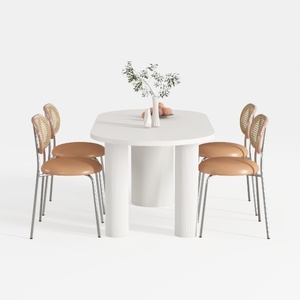
DUOMAY Modern Boucle Dining Chairs Set of 2,
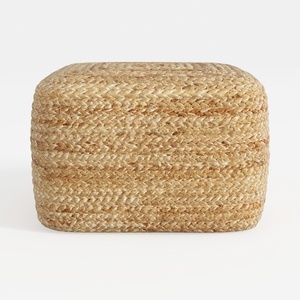
Natural Rattan Woven Square Ottoman 3D Model
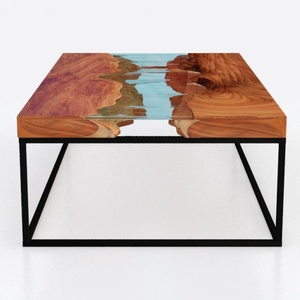
Custom 3D Waves Ocean Dining Table, Blue Ocean
Looking to transform your home? Try Homestyler! This user-friendly online platform offers a powerful design tool, stunning 3D renderings, and a wealth of inspiring design projects and video tutorials. Bring your home design dreams to life effortlessly!
Design Now for FREE
































