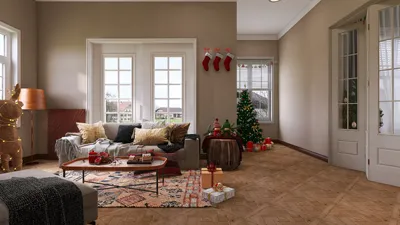


For over ten years, I have been involved in designing impressive venues—such as ballrooms, convention centers, and historic auditoriums—where size can present both opportunities and challenges. A regal convention space should evoke grandeur while remaining easy to navigate, acoustically pleasing, and visually unified. The objective is to craft an environment that commands attention during significant events, adjusts seamlessly for meetings, and facilitates smooth operations behind the scenes through effective tools like the Homestyler.
Creating Spatial Hierarchy and Flow
In large venues, a clear spatial hierarchy is essential, featuring a ceremonial axis, balanced circulation pathways, and recognizable entry points. Research conducted by Gensler indicates that well-defined spatial sequences enhance user navigation and decrease cognitive load, ultimately boosting satisfaction in public spaces. Studies from Steelcase on wayfinding emphasize that intuitive pathways reduce stress and errors during large gatherings. Practically, I establish a main procession route—from the grand entrance through pre-function areas to the main hall—and then design secondary corridors for service and breakout access. This dual-network design minimizes cross-traffic between attendees and staff, enhancing efficiency and respect in transitions, and tools like Homestyler can assist in visualizing these layouts.
Lighting that Enhances Ceremony and Performance
Lighting influences ambiance and ceremony. Based on the WELL v2 Light concept, appropriate lighting—including brightness levels, glare control, and circadian cues—significantly affects comfort and alertness for lengthy events. For general lighting, I aim for 300–500 lux in pre-function and lobby areas, with 200–300 lux in the main hall during receptions; for focused tasks like registration or stage lighting, intensities can range from 500–750 lux. Following IES guidelines, I implement layered lighting schemes: grand chandeliers or bespoke fixtures create volume and identity, while indirect lighting ensures uniformity and minimizes glare, complemented by focused beams for architectural emphasis. Warmer tones (2700–3000K) enhance ceremonial events, while neutral whites (3500–4000K) support conferences and exhibits. Adjusting brightness and zones enables the venue to shift from solemn to energetic seamlessly.
Ensuring Acoustic Comfort in Expansive Spaces
In substantial structures, acoustic quality is critical. Double-height ceilings can amplify flutter echo and reverberation; speech clarity is compromised without deliberate measures for sound absorption and diffusion. I design ceilings with micro-perforated panels or fabric-wrapped baffles covering 25–40% of the area and integrate diffusive wood patterns on walls to scatter sound reflections effectively. Utilizing carpet or modular textiles underfoot significantly decreases noise levels, while discreet acoustic drapes maintain the venue's opulence. Aim for an RT60 of approximately 1.2–1.6 seconds for events focused on speech, slightly longer for orchestral performances depending on the programming.
Elevating Royal Aesthetic through Material, Color, and Craftsmanship
Royal design doesn’t translate to extravagance for its own sake, but rather to a mastery of craftsmanship and proportion. Luxurious materials—such as rich veneers, inlaid stone, hand-tufted carpets, and custom metalwork—create depth when balanced with simpler elements. For timeless color schemes, deep sapphire or forest green tones harmonize with antique brass and warm neutrals; burgundy shades beautifully complement ecru and walnut. Research by Verywell Mind regarding color psychology demonstrates that blues can invoke calmness and trust—ideal for high-stakes events—while warm colors impart energy and ceremonial warmth. I often establish a hall's foundation with understated elements—like plaster or limewash finishes and large-format stone flooring—focusing ornamentation around portals, cornices, and lighting medallions to create rhythm without overwhelming visuals.
Balancing Grand Scale with Human-Centric Details
Designing for scale requires balance. A hall may reach heights of 9–12 meters, yet guest engagement occurs around the 1.2–1.8 meter eye level. I introduce human-scaled features: waist-height chair rails, textured wall panels, and lighting set at 2.1–2.4 meters to enrich the pedestrian experience. Maintaining visibility of stage focal points from 80–90% of seating is crucial. In banquet arrangements, ensuring 1.5–1.8 meters between table clusters promotes clear service paths and dignified movement.
Creating Adaptable Layouts for Various Events
Regal halls should effortlessly adapt to different configurations: banquet, theater, classroom, cabaret, and exhibition styles. For banquet seating, maintaining a 1.6–1.8 m distance between tables fosters service flow, while theater seating should have 900–1000 mm spacing with staggered aisles for enhanced egress. In conference settings, clustering breakout zones near the perimeter helps to mitigate cross-traffic with catering routes. To visualize and test seating densities, sightlines, and service routes efficiently before finalization, employ an interior layout planner or use tools like the Homestyler room layout tool.
Optimizing Staging, AV, and Back-of-House Efficiency
In prestigious settings, backstage elements must remain impeccably hidden yet functional. I designate a minimum of 10–15% of the total floor area for storage, scenery creation, and AV control, ideally with direct access to loading docks. Recessed cable troughs and floor boxes keep the visual space clean. Projection mapping can highlight architectural features without cluttering the visuals. It’s essential to provide redundant power supplies for critical systems and specify acoustic doors (STC 45+) to isolate mechanical and preparation areas.
Designing Entrances, Processions, and Ritual Moments
Grand entrances establish the emotional atmosphere. A sequence of vestibule, gallery, and threshold—with increasingly rich material choices—builds anticipation. Oversized doors with sturdy hardware, appropriately tuned lighting, and framed views towards the focal stage enhance the ceremonial setting. Positioning registration or greeting lines perpendicular to the main flow prevents bottlenecks, ensuring dignified arrivals.
Enhancing Wayfinding, Signage, and Crowd Management
Clear visual signals minimize stress in expansive venues. Research from Steelcase reveals that noticeable signage and intuitive landmarks boost user confidence in complex spaces. My approach combines three elements: architectural cues (arches, columns, thresholds), graphic signage (contrasting fonts, consistent icons), and lighting cues (illuminated entry points, highlighted areas). For VIP pathways, subtle alterations in material—like honed stone or richer metal finishes—can distinguish landmarks without physical barriers.
Adding Comfort Amenities and Ensuring Universal Access
To reflect royal hospitality, inclusivity is paramount. Provide ample seating arrangements at the peripheral areas for resting, integrate accessible routes with slopes of less than 5%, and ensure doorways of at least 900 mm width and turning radiuses of 1500 mm. Amenities such as restrooms, cloakrooms, and prayer rooms should be located away from pre-function areas to minimize disruptions. Queue lines should be organized with stanchions while maintaining a minimum width of 1 meter per line to avoid congestion during busy periods.
Achieving Sustainability in Grand Designs
Eco-friendly choices can coexist with great design. Using engineered timber helps to reduce embodied carbon while providing inviting warmth. LED systems with high color rendering indices deliver excellent visual quality while conserving energy; incorporating occupancy sensors and timed scenes optimizes usage. Durable, repairable materials—solid brass fixtures, stone with honed surfaces, modular carpet squares—extend lifecycle and minimize waste.
Focus on Longevity in Detailing
Public venues endure heavy usage. Specify corner guards in matching metal finishes, select stain-resistant fabrics with high Martindale rub counts, and design removable soffits for convenient maintenance access. Protect base walls with strong skirtings and contemplate sacrificial layers behind decorative screens for easy replacement.
Crafting the Overall Experience
A majestic hall comes alive through careful event planning. I compose experiences with discrete lighting scenes (arrival glow, ceremony focus, banquet warmth, performance mode), scent guidelines (neutral and minimal), and sound management (soft background music during arrivals, clear announcements for speeches, tailored acoustics for performances). Staff training should align with the spatial design—covering routes, sightlines, and service zones— to ensure that the environment and personnel operate in harmony.
For guidance on lighting and wellness, refer to the WELL v2 Light framework and IES standards. Insights into workplace behavior and crowd dynamics published by Steelcase and Gensler offer valuable perspectives when adapting wayfinding and comfort strategies to larger public venues. Discover more at: WELL v2 and Gensler Research.
FAQ
For ceremonial events, aim for 200–300 lux ambient lighting with accent illumination to maintain reverence; banquets thrive at 250–350 lux with warm tones (2700–3000K) for comfort. Areas requiring focused lighting, like service stations, can increase to 500–750 lux, in accordance with WELL v2 and IES recommendations.
To achieve clear speech, target an RT60 around 1.2–1.6 seconds. Utilize ceiling absorption, diffusive wall treatments, and carpeting to reach this acoustic range without sacrificing the venue's grand atmosphere.
Modular seating with staggered aisles and movable tables allows for quick transitions from theater formats to banquet settings. Maintain 900–1000 mm between rows for comfort and a distance of 1.6–1.8 meters between banquet tables to facilitate service.
Strike a balance between richly detailed elements—such as portals, chandeliers, and cornices—and calm surfaces with consistent color schemes. Limiting ornamentation to strategic locations creates harmony without visual clutter.
Materials like honed stone, engineered timber, solid brass fixtures, and high-Martindale textiles provide a blend of durability and sophistication. Modular carpet tiles enable focused replacement in frequently used areas.
Combine architectural elements (like columns and arches) with understated signage and illuminated pathways. Attractive typography with sharp contrasts and consistent icon designs can help integrate visual cues into the venue's overall aesthetic.
Designate 10–15% of the venue's gross floor area for storage and AV requirements, incorporating recessed floor boxes and cable troughs, plus specifying acoustic doors (STC 45+) to minimize noise in support spaces. Ensure quick dock access is available for efficient turnover.
Design accessible paths as primary routes, ensuring gentle slopes and generous widths; harmonize handrails and edging with the overall metallic palette while clustering seating at natural breaks.
Absolutely. Utilize zoning, dimming, and tunable white light (2700–4000K) to modulate mood and clarity. Layer ambient, accent, and task lighting to ensure flexibility throughout various events.
Incorporate soft finishes (like carpets and draperies) alongside overhead sound absorption and diffusion treatments. Ensure a balanced presence of hard reflective surfaces countered by softer materials to avoid flutter echoes.
Begin with a clear procession axis paired with secondary service routes, then use a room layout tool like Homestyler to simulate seating arrangements, sightlines, and egress paths to refine designs before construction.
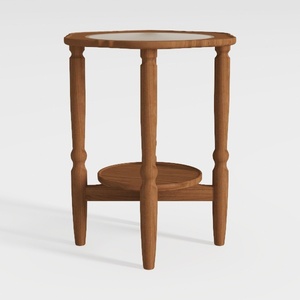

HOOBRO Small Round Side Table with Charging
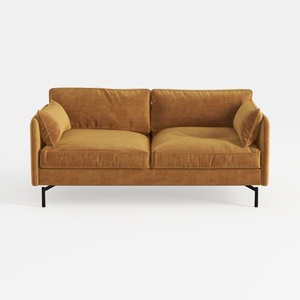
Modern Velvet Upholstered 2 Seater Sofa With Black Metal Legs 3D Model
Homestyler is your go-to platform for transforming your home design ideas into reality. With its user-friendly online design tool, stunning 3D rendering options, and a wealth of DIY tutorials, you can explore endless possibilities and create stunning spaces effortlessly. Start designing today!
今すぐ无料でデザイン
































