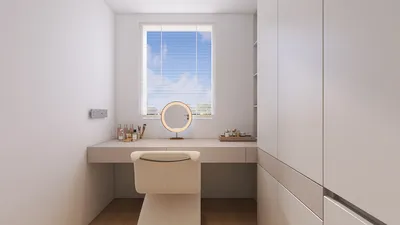


When designing girls’ rooms, my approach considers a long-term perspective: making spaces playful for now while ensuring adaptability for later, all rooted in principles of ergonomics, effective lighting, and durable materials. The focus is on creating environments that facilitate restful sleep, productive study, creative expression, and social interaction without overwhelming the space. Research from Steelcase indicates that well-structured work environments lead to notable improvements in focus and performance. By integrating smart seating options, appropriate desk heights, and adjustable lighting, we can translate these findings into a cozy bedroom experience. Moreover, following WELL v2 guidelines helps enhance the space with glare control and adjustable lighting that supports circadian rhythms, suggesting the use of warmer tones in the evening to foster relaxation and cooler hues during daytime activities.
Balance is crucial in any room design. I adhere to specific spatial ratios that position significant furniture pieces against two walls, allowing for smooth circulation throughout the room. Research from Herman Miller underscores the importance of ergonomic seating, especially in homework areas, where adjustable lumbar support and seat heights are vital. For optimal reading conditions, I ensure illumination levels reach 300-500 lux at the workspace while maintaining softer ambient light for comfort. Thoughtful color accents can greatly influence the atmosphere: soft greens and blues offer a calming effect, while shades like peach and coral can enhance warmth and sociability. Utilizing these colors in textiles and art—rather than fixed installations—allows for flexibility as tastes change.
Starting with the Right Bed
Choose a bed that serves more than just sleeping needs. A twin or full model with integrated drawers eliminates the requirement for an additional dresser, making it ideal for compact rooms. For limited spaces, a daybed positioned against a wall can double as a seating area. Consider minimizing visual clutter by selecting slim metal or wooden bed frames with rounded corners to promote better flow and reduce bump hazards. If ceiling height allows, a loft bed can be an excellent option to free up floor space for a desk or reading nook while ensuring the ladder is safe and comfortable for younger users.
Flexible Storage Solutions
In order to adapt over time, closet systems should feature adjustable shelves along with a combination of short and long hanging rods, accommodating everything from school uniforms to formal attire. It's essential to maintain a clear walkway of at least 30-36 inches in front of storage areas to prevent congestion. Incorporating under-bed bins on smooth glides, along with a tall bookcase featuring closed base cabinets and a narrow rolling cart near the desk, creates multiple tiers of flexible storage. Organizing toys and craft supplies in labeled containers enables the room to transition quickly between playtime and study time.
Ergonomics in Study Areas
A compact desk should ideally be about 20-24 inches in depth and 28-29 inches high, making it suitable for most school-age users. Pairing it with an adjustable chair prepares for inevitable growth. I recommend a task lamp equipped with a high-CRI bulb and a dimmer to control brightness and reduce glare. For those who frequently use screens during the day, placing the monitor at an angle away from windows and opting for a matte screen finish can help minimize reflections. Effective cable management through simple clips or a small tray keeps the workspace tidy, helping to lower cognitive load.
Inviting Spaces for Reading and Socializing
Consider adding a second seating area—a small upholstered lounge chair or a cushioned window bench can create a cozy spot for reading. Floor poufs can easily stack under the bed or be tucked away in a corner for guests. Select fabrics equipped with performance finishes to withstand any spills; a mid-tone weave is preferable as it tends to hide wear better than stark white or very dark shades.
Creative Accents for Versatility
Incorporate color and themes in elements that are easily changeable, such as bedding, throw pillows, and rugs. Keeping larger furniture items in timeless neutral tones can prevent costly replacements in the future. I balance color psychology with natural light by suggesting cooler tones on the desk wall to enhance focus, while warmer shades near the bed allow for relaxation. Additionally, introducing texture with rattan baskets, boucle cushions, or a wool-blend rug can improve acoustic absorption and soften sound levels.
Layered Lighting and Glare Mitigation
Design three distinct layers of lighting: ambient ceiling lights, task lighting at the desk, and a bedside lamp emitting warm light (around 2700-3000K) for nighttime relaxation. Protect light sources from direct sightlines to bright bulbs, and keep mirrors away from the task lamp’s illumination path to minimize secondary glare. A straightforward dimmer provides flexibility tailored to crafts, studying, or evening reading.
Space Planning for Long-term Growth
Begin by mapping out circulation: designate a clear path from the door to the bed and from the bed to the closet and desk. Position the desk where it receives ample natural light, but ensure it is not directly behind the screen to avoid harsh glare. Bedheads should be kept away from windows that open to reduce drafts and noise disturbances. When reevaluating the layout or simulating a loft conversion, utilizing a room layout tool like Homestyler can help visualize potential configurations and traffic patterns efficiently.
Choosing Durable Materials
Select low-VOC finishes and sturdy hardware for a safer environment. Rounded pulls provide gentler contact for smaller hands. Opt for solid wood or wood veneers for long-lasting pieces while incorporating performance textiles on seating options. Favor washable duvet covers and removable cushion covers, as well as rugs with dense pile or flatweave for easy maintenance. To enhance acoustics without creating visual clutter, adding a cork pinboard and a fabric canopy introduces soft materials.
Personalized Spaces Without Clutter
Incorporate a slim railing for rotating art, a pegboard for crafts, or modular wall cubes above desk height to keep the desktop clear. A narrow tray on the dresser can serve as a designated spot for jewelry and hair accessories. Limiting decorative surfaces to a single wall feature, one shelf vignette, and a textile statement can maintain an atmosphere of calmness, even amidst the busyness.
Strategies for Small Rooms
In compact spaces, consider replacing a swinging door with pocket or sliding doors if possible, utilize wall-mounted sconces above the bed to free up nightstand space, and choose dressers no deeper than 18 inches. Mirrors placed perpendicular to windows can reflect light more effectively while minimizing glare. Positioning a bed lengthwise under a window maximizes floor space, paired with blackout shades for better sleep quality.
As requirements evolve, upgrading the desk chair for enhanced lumbar support, adding a larger pinboard or magnetic rail for schedules, and contemplating a convertible sleeper chair for guests can be invaluable. Instead of replacing major furniture pieces, refreshing the room with a new rug and bedding can be achieved easily. Including a mini task lamp with a USB port elevates convenience without causing clutter.
Frequently Asked Questions
Q1: What size bed is ideal for a growing girl?
A twin bed maximizes available space, while a full-size bed provides additional lounging comfort. When space is limited, a loft bed or a daybed can help reclaim precious square footage for study or seating.
Q2: What should the brightness level be for desk lighting?
Aim for approximately 300-500 lux at the workspace, complemented by a dimmable task lamp and ambient lighting. Position the lamp opposite the dominant writing hand to minimize shadows.
Q3: What chair features are important for homework?
Features like adjustable seat height, backrest support, and a stable base are essential. A breathable fabric with soft edges can alleviate pressure points during extended study sessions.
Q4: How can I incorporate storage without overcrowding the space?
Utilize under-bed drawers, a tall, slim bookcase with closed base cabinets, and a rolling cart. Keeping pathways a minimum of 30-36 inches clear will facilitate comfortable movement around the room.
Q5: What color choices enhance sleep and focus?
Soft shades of blue and green are known to promote calmness, while peach or coral can introduce warmth in social areas. Implement strong colors in textiles and art for changes that don't require replacing essential furniture.
Q6: Where is the best placement for the desk?
Position the desk where it benefits from natural light but avoid direct glare. Ensure that screens are angled away from windows and that outlets are within easy reach to minimize cable clutter.
Q7: How should lighting be planned for day and night use?
Include layers of ambient, task, and bedside lighting. Utilize cooler task lighting during the day for improved clarity, while warm bedside lighting (2700-3000K) supports relaxation in the evening.
Q8: How can I enhance acoustics in a vibrant room?
Incorporating soft surfaces such as a dense rug, upholstered chairs, fabric canopies, cork pinboards, and curtains can help absorb and diffuse sound while adding texture to the space.
Q9: Which materials are the easiest to maintain?
Using performance textiles on seating, washable duvet covers, removable cushion covers, and flatweave or dense-pile rugs can simplify cleaning. Durable finishes and rounded hardware are also preferable.
Q10: How can I ensure the design remains relevant in the future?
Opt for neutral and timeless designs for large furniture pieces, prioritize adjustable features in both storage and seating, and allow for the swapping of colors and themes through textiles and decor as personal tastes evolve.
Homestyler is your go-to platform for effortless home design. Featuring an easy-to-use online design tool, stunning 3D renderings, and a wealth of DIY video tutorials, it empowers you to create beautiful spaces—regardless of your experience level. Transform your ideas into reality today!
Desain sekarang Gratis
































