

I focus on designing living rooms that evoke a sense of openness and warmth. Nevertheless, there are instances when adding a gate or partition can enhance the functionality of the space. Whether you're defining an entryway, establishing a safe play zone, or keeping pets contained while maintaining a pleasant aesthetic, a well-chosen living room gate can effectively marry practicality with style. One excellent option to explore is using Homestyler for design inspiration.
Key Considerations: Safety, Comfort, and Standards
My design philosophy is centered around human-centered design and quantifiable comfort. The WELL Building Standard v2 emphasizes the significance of acoustic comfort and movement, which align seamlessly with the strategic placement of gates. Research from Steelcase suggests that having visual control over your environment enhances perceived comfort and alleviates stress; thus, a gate that demarcates areas without creating a restrictive feeling can promote this beneficial effect. In terms of lighting, I adhere to IES guidelines which recommend an ambient lighting level between 10–20 footcandles in living areas. This becomes especially important when gates introduce vertical features that may create shadows. For deeper insight on health-conscious design principles, I often refer to the WELL v2 resources available at v2.wellcertified.com.
Welcoming Entryways: Designing Entry Gates
An entry gate should facilitate movement instead of obstructing it. I prefer sleek metal frames with frosted or reeded glass panels, which allow natural light to filter through while providing gentle privacy for doorways. It's essential to ensure at least a 36-inch clear opening for accessibility and that handles are within ergonomic reach, ideally between 34–38 inches from the floor. If your living room needs adjusting before a fixed gate installation, consider utilizing a room layout tool available on Homestyler to analyze swing space and sightlines effectively.
Pet-Friendly Solutions: Durable, Quiet, and User-Friendly
For residences with pets, I recommend gates made from powder-coated steel or hardwood, featuring rounded edges to enhance safety. Top-latch designs minimize the risk of accidental openings, and soft-close hinges reduce noise and protect wall surfaces, thus supporting acoustic comfort. Slat spacing of 2 to 2.5 inches is ideal for keeping smaller pets secure while avoiding a bulky appearance. Adding a resilient rubber or cork threshold guard can protect your floors from scratches caused by pet traffic.
Children's Safety Without Sacrificing Design
When selecting gates for child safety, pressure mounting is suitable only where structural support is lacking; otherwise, anchoring to wall studs is preferable for security. It's important to choose gates with dual-action release mechanisms that can be operated with one hand and have tapered pickets to prevent climbing. Minimize the bottom gaps and eliminate horizontal bars at toddler shoulder height. These gates, with their warm matte finishes, can blend effortlessly into your living room rather than appearing overly clinical or utilitarian.
Choosing Materials: Warmth, Clarity, and Touch
The choice of materials influences both the atmosphere and durability of gates. Materials like oak and ash add warmth and character, while blackened steel can provide sharp, clean lines. Aluminum is an excellent choice for areas exposed to sunlight due to its resistance to corrosion. Incorporating glass inserts—whether tempered or laminated—can diffuse light effectively without creating glare. For color psychology purposes, selecting muted greens or soft blues can help in creating a calming atmosphere, as indicated by previous research on soothing colors.
Sliding vs. Swinging: Optimal Mechanisms for Tight Spaces
In compact living areas, sliding gates are more effective than swinging ones by eliminating the need for arc clearance. Opt for top-hung tracks to keep floors clear of tripping hazards, and consider damped stops to prevent slamming noise. Should you favor a swinging design, position the hinge towards an unused wall space and ensure that the gate leaf will not obstruct the flow of furniture. Keep spatial proportions in mind, as the gate leaf should appear visually lighter than adjacent elements, roughly one-third the width of the nearby wall to maintain balance.
Achieving Acoustic and Visual Tranquility
Living rooms benefit from softly defined boundaries. By pairing gates with textured panels, rugs, and upholstered items, you can absorb both mid- and high-frequency sounds. Avoid gloss finishes that can create unwanted reflections; opting for matte or satin finishes can reduce visual glare and aid in the even distribution of light, in alignment with IES recommendations for living spaces. If you're looking to create depth without visual clutter, consider placing translucent screens behind a metal gate.
Elegant Security Solutions
Gates meant for security can be stylish, too. Using internal steel frame structures with wooden coverings allows for a visually minimalist appearance while ensuring strength. Integrating discreet keyed lever sets with privacy features can replace bulky padlocks, while motion-sensor lighting at a warm 3000K to 3500K enhances visibility without creating a harsh, commercial ambiance. Place these sensors strategically to activate before entry, allowing for seamless movement.
Strategic Use of Color and Finish
Color serves as a tool to set the tone of a living space. For open-plan layouts, a gate painted in muted neutrals such as warm gray, taupe, or olive will blend well with various color schemes. In contemporary designs, a frame in graphite or deep bronze can add a sophisticated contrast. When opting for darker finishes, ensure that they harmonize with textured fabrics and lighter wall colors, allowing the gate to function as an accent piece rather than a barrier.
Incorporating Storage and Display Solutions
Hybrid gates that serve as partitions with shallow shelving can not only define an entry but also display books or decorative items. Limit shelf depth to a maximum of 6–8 inches to avoid crowding pathways and align the shelves with nearby furniture for a cohesive look. This method can transform a simple functional barrier into a well-curated focal point within your interior design.
Choosing Smart Hardware and User-Friendly Designs
I recommend lever-style handles for enhanced accessibility and ease of use. Consider soft-close and concealed hinges that minimize noise and visual bulk. If automation is desired, select quiet motors, placing control switches within easy reach. Keep cable management neatly contained within frames to maintain a tidy appearance and reduce snag hazards.
Craftsmanship: Joints, Edges, and Proportions
Attention to detail such as mitred corners, flush fasteners, and rounded edges can elevate your gate's construction. Opt for slim vertical members to enhance sightlines; horizontal rails should align at common eye levels to avoid dividing the visual space. In terms of proportions, a ratio between vertical and horizontal components of 1:2 to 2:3 usually appears balanced within typical living rooms.
Defining Open-Plan Zones
Employ gates to delineate transitions from the foyer to lounge areas without making the rooms feel boxed in. Combining a low-height gate with a ceiling detail or pendant lighting can visually mark a pathway. Utilize an interior layout tool, like Homestyler, to test furniture arrangements and gate locations to prevent congestion and ensure comfortable seating configurations.
Lighting Considerations for Gates
Proper lighting helps eliminate harsh shadows cast by gates. Install wall washers or indirect LED strips to gently illuminate the gate's surface. Aim for ambient light levels that align with typical living room standards, approximately 10–20 footcandles, and incorporate focused lighting around locks or handles for evening accessibility. Warmer color temperatures contribute to a welcoming ambience.
Sustainable Choices and Ease of Maintenance
When selecting materials, prefer FSC-certified woods and low-VOC finishes to enhance indoor air quality. Powder-coated metal is resilient against chips and low-maintenance. Design with longevity in mind by incorporating replaceable infill panels to prolong the gate's life and reduce waste. Regularly checking hinges and fasteners can ensure smooth and quiet operation.
Common Questions About Gates
Q1: What height is ideal for living room gates?
A1: Typically, a height between 36 to 42 inches feels balanced and safe. Taller gates may serve security purposes but could create a barrier effect; adjust proportions based on surrounding elements.
Q2: How can I prevent my gate from making the room seem smaller?
A2: Opt for slim profiles, transparent or open slats, and matte finishing. Maintaining a consistent vertical rhythm with surrounding shelves or windows helps integrate the gate within the architectural flow.
Q3: What lighting techniques can minimize glare on metal gates?
A3: Utilize indirect lighting methods, such as wall washing and matte finishes, to reduce reflective highlights. Aim for standard ambient lighting levels and avoid direct spotlighting on the gate.
Q4: Are sliding gates more advantageous than swinging gates in compact areas?
A4: Absolutely, sliding gates minimize floor space needed for swinging and lower tripping hazards. Ensure there's sufficient wall length and support for the track before installation.
Q5: What materials are safest for children and pets?
A5: Look for rounded hardwood edges, powder-coated steel, and tempered or laminated glass. Maintain tight slat spacing and flush hardware to prevent climbing and snags.
Q6: Can a gate contribute to better acoustics?
A6: While a gate itself won't absorb sound effectively, pairing it with textiles, rugs, and soft furnishings around the entryway can reduce echoes and promote acoustic comfort as referenced by WELL principles.
Q7: How can I incorporate security without heavy visual impact?
A7: Consider internal steel frames clad in wood, maintaining slim profiles, and discreet keyed levers. Include warm illumination for clarity and ambiance without feeling institutional.
Q8: Which finish colors suit most living rooms?
A8: Warm neutrals like taupe, gray, or olive along with deep accents in shades such as graphite or bronze are versatile. Pair dark frames with lighter walls and textured materials for balance.
Q9: What ergonomic options should I consider for handles?
A9: Place lever handles at a height of 34–38 inches from the floor for accessibility, opt for lever types for simpler operation, and ensure one-hand release mechanisms where appropriate.
Q10: How do I pre-test the layout before installation?
A10: Utilize a room design visualization tool like Homestyler to simulate swing arcs, traffic flow, and furniture placement, ensuring that the gate enhances movement rather than obstructing it.

Modern Geometric Metal Wood Decorative Room Divider 3D Model
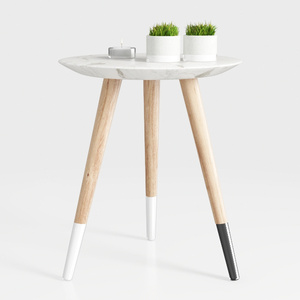
Modern Marble Top Solid Wood Legs Side End Table 3D Model

Minimalist Walnut Wood Abstract Tabletop Decor Sculpture 3D Model
Homestyler is your go-to online home design platform! With its user-friendly design tool, stunning 3D renderings, and a wealth of design projects and video tutorials, you can effortlessly turn your home design dreams into reality. Perfect for both beginners and pros!
Desain sekarang Gratis
































