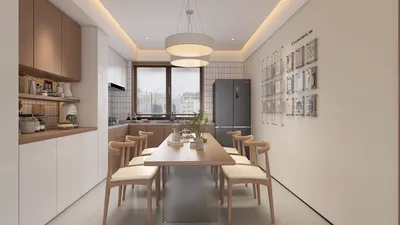


When designing living rooms, I focus on the center table, which serves as a visual centerpiece—both a sculptural feature and a functional area. An effectively curated tabletop can harmonize seating arrangements, guide visual flow, and subtly represent personal style. The essential elements to consider are proportion, layering, and sensory comfort, rather than just creating an attractive display. Utilizing tools like Homestyler can help visualize these design principles effectively.
Numerous studies consistently highlight how minor spatial details can influence mood and behavior. According to Verywell Mind, warmer colors like reds and oranges can energize, while cooler blues and greens evoke calmness; neutral tones are classic yet benefit from one or two accent colors to create psychological contrast. Additionally, guidelines from WELL v2 stress minimizing visual glare and promoting circadian well-being through appropriate lighting—aiming for ambient illumination at about 150 to 300 lux in living areas, while also opting for warmer light shades in the evening to prevent overstimulation. These insights play a crucial role in my selection of materials, colors, and lighting for center tables, often modeling ideas within Homestyler.
Proportion is also aligned with human factors. I strive for coffee tables that are close to the height of sofa seats (typically 16 to 18 inches) and maintain a preferred reach distance of 14 to 18 inches for easy access, adhering to ergonomic standards common in residential furniture arrangements. Keeping tables roughly two-thirds the length of the sofa helps maintain visual balance and allows for smooth traffic flow. These nuanced ratios form the foundation of effortless style—a subtle guidance that is felt by all but noticed by few.
Begin by grounding your layout with a low, layered base.
Start with a foundational tray to establish the space's footprint. A round tray measuring 12 to 16 inches or a rectangular tray of 10 by 18 inches provides edges that contain your items and simplify cleaning routines. I often pair a matte metal tray (like brass or blackened steel) with a softer texture—a linen runner or cork base—to soften glare from evening lighting. Low, layered bases allow you to build visual depth without overwhelming the overall arrangement.
Height Balance: Applying the Rule of Three Tiers
An effectively styled tabletop features low, medium, and tall elements. Low components might include horizontally stacked books, a sculptural bowl, or a shallow planter. Medium elements could be paired candles or a lidded box. For tall accents, consider a slender vase with seasonal stems or a delicate lamp. I ensure that the tallest piece does not exceed 18 to 22 inches to preserve sightlines, creating a rhythmic height pattern that encourages movement while maintaining conversational flow among seated guests.
Incorporate Varied Materials for a Tactile Experience
Mix one glossy surface, one natural texture, and one soft component. For instance, a combination of polished stone, woven rattan, and linen can add richness without overwhelming visual tranquility. If the table surface is glass, introducing a textured tray can help mitigate glare; conversely, if it’s wooden, a ceramic glaze can enhance light reflections. Aim for three to five objects to keep the visual space restful.
Strategize Color: Neutrals with Thoughtful Accents
Using neutral bases like taupe, sand, or charcoal grants a timeless element to the table. Introduce one or two accent colors corresponding to the room's mood—soft greens (which suggest calmness) are ideal for reading-friendly spaces, while terracotta can infuse warmth for social gatherings. Reflect the accent color in two different spots, such as on the spine of a book and in a small decorative vessel, to create a cohesive design aesthetic.
Creating Botanical Statements Without Clutter
Fresh stems arranged in a narrow-neck vase can create a sculptural effect while preserving visibility. For larger tables, low succulents or wide branches (like olive or eucalyptus) add volume without heaviness. Ensure the water levels in vases are discreet, and switch plant types periodically to refresh the visual landscape and avoid monotony.
Showcasing Curated Books and Personal Mementos
Incorporating two or three oversized art or design books can bring both weight and functionality, creating platforms for smaller decorative items. Pair them with travel keepsakes or handcrafted objects. The chosen items should project an eclectic collection rather than a themed display; subtle arrangements will yield a relaxed, genuine aesthetic when more personal items are placed slightly off-center.
Setting the Mood: Cozy, Glare-Free Lighting
Table lamps or candles can significantly alter the ambiance, but it's paramount to manage brightness levels. Opt for warm lighting in the range of 2700 to 3000K for evening atmospheres and minimize direct glare by shielding bulbs or by selecting frosted glass. The WELL v2 guidelines recommend limiting blue-rich lighting during nighttime, suggesting that having dimmers on nearby lamps can greatly enhance comfort.
Encouraging Acoustic Comfort with Soft Accents
Consider sound dynamics in your social spaces. A felt or cork underlay beneath trays can dampen clinking noises, while a fabric runner minimizes echoes on glass tables. These subtle adjustments can create a more inviting and relaxed gathering environment.
Highlighting Sculptural Bowls and Functional Trays
Utilize a sculptural bowl as the centerpiece and a complementary tray for holding remotes or coasters. Effective zoning can prevent your tabletop from becoming cluttered. If entertaining with board games or tea, leaving one quadrant open for flexible usage will maintain functionality.
Seasonal Adjustments Without Entirely Re-Styling
Maintain a capsule collection: a pair of brass candles, a ceramic vase, a small stack of books, and a textured box. By rotating stems and tweaking one accent color or candle scent, you can refresh the overall appearance while keeping the foundational layout intact.
The Importance of Shape: Round, Rectangular, and Organic
Round tables lend themselves to symmetric displays. Conversely, rectangular tables benefit from a diagonal grouping of items: a stack, a vessel, and a tray. For organically shaped tables, asymmetrical arrangements are most effective—position items towards the bulkier side while allowing for breathing space on the slimmer edge. If your living room's design is adaptable, tools like Homestyler can help experiment with different placements to visualize spatial relationships.
Utilizing a room layout tool can be helpful in exploring your spatial design.
Spatial Ratios for Effortless Movement
I recommend maintaining an 18-inch clearance for movement around the table and at least 30 to 36 inches for main pathways. It’s also vital to align the center of the tabletop with the midpoint of the seating arrangement to facilitate natural conversation flow. Adjusting the tabletop layout to align with overhead fixtures can enhance spatial harmony; if a light fixture is offset, counterbalance it with a taller accent piece on the opposite side.
Sourcing Sustainable Materials
Select FSC-certified wood, recycled glass, and ceramics produced at lower temperatures whenever feasible. Using natural oils or water-based finishes can reduce harmful VOCs, contributing to a healthier home environment. These small choices at the center table level promote larger sustainability benefits over time.
Design for Everyday Life
Accommodate daily living by incorporating a coaster set, a compact remote holder, and a low catch-all dish to keep surfaces organized. I prefer closed-storage solutions for smaller items while ensuring one section remains clear for snacks, a laptop, or evening relaxation.
Frequently Asked Questions
Q1: What is the ideal number of objects to display on a center table?
A: A collection of three to five items often achieves a balanced aesthetic. Ensure to include low, medium, and tall elements for rhythmic variety while avoiding overcrowding.
Q2: What table height is most compatible with standard sofas?
A: A coffee table should ideally match the sofa seat height, generally 16 to 18 inches for optimal reach and sightlines.
Q3: What lighting conditions are most conducive for evening relaxation?
A: Warm lighting at approximately 2700 to 3000K with low glare is ideal. Employing dimmers on adjacent lamps can facilitate a cozy, circadian-friendly atmosphere according to WELL v2 recommendations.
Q4: How can I select colors that evoke calm without seeming dull?
A: Choose a neutral base and introduce one or two accent shades thoughtfully. Soft greens and blues are often linked to tranquility; ensure the accent color is reflected in at least two spots for a cohesive feel.
Q5: What layout works best for a rectangular table?
A: Consider using a diagonal arrangement with three elements—a stacked group (low), a vessel (tall), and a tray (medium). Keeping one section open allows for adaptable use.
Q6: How can I minimize glare on glass surfaces?
A: Introduce a textured tray or soft fabric runner, opt for frosted or shaded bulbs in the vicinity, and position reflective items away from direct sightlines.
Q7: Are candles suitable for everyday decor use?
A: Definitely—utilize stable bases and opt for unscented candles to avoid competing aromas during meals. A stone or brass holder can add visual interest while preventing wax spills.
Q8: What is the recommended distance around the table for comfort?
A: Maintain a distance of about 18 inches between the table and seating, while ensuring 30 to 36 inches for main thoroughfares to support smooth movement.
Q9: How can I incorporate personal items without creating clutter?
A: Limit personal artifacts to one or two and pair them with books or a sculptural piece. Placing them slightly off-center yields a casual yet intentional look.
Q10: What sustainable materials are most effective?
A: Consider using FSC-certified woods, recycled glass, and finishes with minimal VOCs. Natural fibers like linen and cork contribute texture and enhance acoustic comfort within the space.

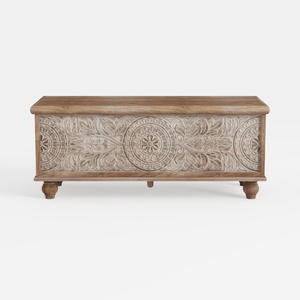
Minimalist Solid Wood Rattan Wrapped Round Side Table 3D Model
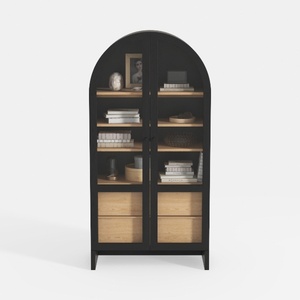
Wood Bookshelf with Adjustable Shelves, 72" Tall
Homestyler is your go-to online platform for home design! With its easy-to-use design tool, stunning 3D renderings, and a rich variety of interior projects, you can unlock your creative potential. Plus, dive into engaging video tutorials to elevate your DIY skills. Transform your space effortlessly!
Design Now for FREE
































