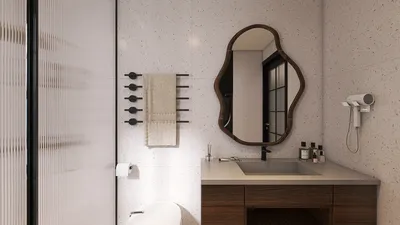


Throughout my career, I have designed and evaluated numerous changing rooms in various environments including workplaces, gyms, schools, and hospitality settings. A central issue is the use of MMS video, which refers to any videos sent through mobile messaging platforms. This topic raises critical questions surrounding privacy, layout choices, lighting, signage, and adequate training for staff. The primary objective remains clear: to uphold dignity while ensuring a safe, functional atmosphere that complies with both policy and legal requirements.
Crafting privacy in design is a meticulous process. The WELL v2 framework emphasizes visual seclusion and sound management as key elements for enhancing occupant well-being, indicating that effective privacy measures can alleviate stress and foster a sense of security (referencing WELL v2, Mind & Sound concepts). Gensler's research consistently shows a correlation between perceived privacy and increased satisfaction and trust among users, particularly in locker and changing areas where individuals often feel most vulnerable. These principles are not just theoretical; they directly influence how I strategically install partitions, mirrors, and circulation pathways to obscure sightlines to sensitive areas.
Color and lighting significantly influence user dynamics. Research by Verywell Mind indicates that calming color palettes (such as soft blues and greens) can diminish feelings of anxiety, especially relevant in changing rooms where individuals might feel exposed. The Illuminating Engineering Society (IES) advocates for uniform and glare-free ambient lighting to enhance safety and visibility; maintaining a brightness of 300–500 lux in circulation areas, combined with softer task lighting near mirrors, can help reduce unwanted reflections that might extend sightlines. Together, these insights foster a privacy-oriented design approach while ensuring the room remains functional and welcoming.
Understanding the Risks of MMS Video in Changing Rooms
Recording any video in a changing room—whether shared on social media or through MMS—poses substantial privacy threats, breaches policies, and may even conflict with legal statutes. Potential risks include unauthorized recordings, unintentional captures through reflections, and the secondary dissemination of these videos, which could persist online indefinitely. Beyond the potential legal ramifications, such actions undermine trust, tarnish brand reputation, and heighten operational liabilities for facility owners.
Legal and Ethical Considerations
In many regions, changing rooms are recognized as spaces where individuals have a legitimate expectation of privacy. Legal restrictions on recording in these areas are stringent, and facility policies almost universally prohibit such practices. From an ethical standpoint, consent and the preservation of dignity are imperative. Facility managers should implement a strict no-recording policy, further emphasizing this through clear signage and training staff to engage proactively yet respectfully. Ensuring compliance with established health and safety standards, such as those outlined in WELL v2, is crucial for promoting user dignity and privacy (see WELL v2 Mind/Sound).
Design Techniques to Deter Recording
Intelligent design can significantly diminish the temptation and opportunity to record. I employ a multifaceted strategy:
When creating layouts and arranging compartments, utilizing a versatile interior layout planner proves invaluable for quickly simulating walls, doors, and mirror positions. A room design visualization tool like Homestyler allows you to test movement patterns and visibility within the space prior to actual construction.
Policy Reinforcement and Signage
Policies are only effective when they are visible and actively enforced. Clearly position friendly signage at entrances and within changing areas, articulating that photography and video recording are strictly forbidden. Additionally, provide secure phone lockers or designated areas outside private spaces to encourage users to store their devices. Train staff to issue reminders at busy times and develop supportive scripts for intervention.
Lighting and Visual Privacy Enhancements
Achieving visual privacy is reliant on balancing luminance, managing glare, and reducing reflections. Employ indirect lighting or diffusers to mitigate glare from glossy surfaces or mirrors. Aim for 300–400 lux in common areas with a color rendering index (CRI) of 80 or above to ensure accurate color representation near mirrors; utilize warmer tones (3000–3500K) in private areas to soften contrasts. Following IES recommended best practices for locker and changing facilities ensures safety and visual coherence.
Ergonomics and User Interaction
A focus on comfort helps minimize loitering and the dynamics that could lead to inappropriate phone usage. Benches should be at a height of 430–460 mm, while hooks and shelves should be within easy reach. Ensure circulation paths are between 900–1200 mm wide to alleviate congestion. Effective ergonomics enhance user flow and diminish the likelihood of someone using their phone while waiting in crowded areas.
Behavioral Signals and Design Intent
The design itself communicates expectations. Softer acoustics, warm finish materials, and intentional zoning help establish the space as one meant for personal care rather than social interaction. Subtle design elements—such as privacy screens, non-reflective finishes, and low-shine materials—curtail the desire to record. The strategic placement of mirrors is also important; ensure they are not directly aligned with entrances or open areas.
Material Choice and Environmental Responsibility
Select durable, low-sheen materials that are easily cleaned, such as textured porcelain tiles, matte surfaces, and acoustic ceiling tiles with appropriate noise reduction coefficients (NRC). Choosing sustainable options—like low-VOC paints and FSC-certified wood products—aligns with the WELL v2 principles that prioritize air quality and occupant well-being. Steering clear of mirrored stainless steel in private spaces helps to limit unintentional reflections.
Staff Training and Response Protocols
Establish a clear protocol for addressing any suspected recording incidents: engage discreetly, seek assistance from a manager, document any evidence in accordance with policy and law, and offer support to those affected. Maintain a log of incidents and conduct regular training refreshers for the staff.
Balancing Technology and Privacy
The installation of cameras within changing rooms is unacceptable. If surveillance is necessary, limit monitoring to the entrances and periphery, ensuring compliance with legal standards. Consider utilizing mobile alerts (like posters or NFC tags linking to policy information) as reminders for users, rather than blocking signals. Technology should reinforce privacy policies without creating new threats.
Community Engagement and Norm Reinforcement
Consistently communicate expected behaviors through member guides, staff training, and educational resources for parents in schools. Train audiences on the reasons behind the rules: dignity, safety, and trust. When stakeholders understand the underlying motivations, adherence tends to improve.
Evaluating Effectiveness
Monitor incident logs, gather user feedback, and review maintenance records. If incidents diminish and satisfaction levels increase, it indicates that the combination of design and policies is effective. Regularly inspect the area to identify potential glare, reflections, or obstacles to smooth circulation that may incentivize inappropriate behavior.
Reliable Research and Guidelines
For deeper insights into workplace behavior, privacy considerations, and spatial cues, delve into research resources from organizations like Gensler and Steelcase. Consult the WELL v2 standards for environmental strategies focused on human needs, including acoustic and visual privacy principles. These materials aid in translating policy goals into practical design implementations.
Frequently Asked Questions
Q1. Is any form of recording ever permitted in changing rooms?
A1. No. Changing rooms are spaces with a reasonable expectation of privacy, and recording of any type, including MMS videos, is mostly prohibited by policies and regulations. It’s best to remind users of this outside the designated area if necessary.
Q2. What lighting settings minimize privacy concerns?
A2. Aim for constant ambient lighting around 300–400 lux to eliminate dark areas or glaring highlights that can enhance reflections. Utilize indirect or diffused lighting sources and ensure mirror illumination is bright yet controlled to minimize sightline overspill.
Q3. How can layout strategies reduce unintentional exposure?
A3. Design entrances at an angle, implement privacy screens or vestibules, and place mirrors strategically to avoid direct lines of sight into changing areas. Use a layout planner like Homestyler to assess visual lines and circulation flow.
Q4. Which materials effectively minimize glare and reflections?
A4. Opt for matte, low-sheen finishes, such as textured tiles or matte solid surfaces, while avoiding polished metals or high-gloss ceramics near private areas to reduce unintended reflections.
Q5. What signage is most effective?
A5. Position simple, clear, high-contrast signs at eye level at entrances and within the area: "Photography and video recording are not allowed in changing rooms." Reinforce this with reminders during busy periods.
Q6. Can color selections affect behavior?
A6. Absolutely. Muted color schemes (like soft blues and greens) tend to lower arousal levels. This can lead to reduced anxiety in social situations, which is supported by findings in color psychology.
Q7. How should staff handle suspected recording incidents?
A7. Approach the individual discreetly, refer to the policy, and escalate to a manager if necessary. Document the situation and provide assistance to any affected users, complying with local regulations and guidelines for evidence handling.
Q8. Can perimeter surveillance be utilized without infringing on privacy?
A8. Yes—only monitor the entrances and surrounding corridors, never the interior of changing rooms. Use footage strictly for security purposes and in accordance with legal norms.
Q9. What ergonomic considerations can alleviate overcrowding?
A9. Provide appropriately sized benches (430–460 mm), accessible hooks and shelves, and ensure a circulation width of 900–1200 mm to decrease congested areas that might encourage device usage.
Q10. How frequently should the changing room layout be assessed?
A10. Yearly or following any noticeable trends in incidents. Perform walkthroughs during peak occupancy to evaluate sight lines, glare, and movement flow. Minor modifications—such as adjusting mirror orientations—can yield significant improvements.
Q11. Are there established standards for designing with privacy in mind?
A11. Consult the WELL v2 standards for guidance on privacy, acoustic safety, and occupant health, along with IES recommendations for appropriate lighting in locker and changing areas to sustain safety and comfort.
Q12. What considerations are important for schools and youth facilities?
A12. Emphasize educational programs that are appropriate for different age groups, add individual cubicles when feasible, and ensure staff presence at entry points to monitor transitions. Prioritize clear communication channels for reporting issues.

2 Pack Gold Rechargeable Table Lamps, Small Table

Minimalist Natural Oak Wood Slat Room Divider 3D Model

Luvkczc Arc Floor Lamp, 71" Tall Standing Lamp
Homestyler is your go-to online home design platform, perfect for unleashing your creativity! With its user-friendly design tool, stunning 3D renderings, and a treasure trove of DIY video tutorials, bringing your dream home to life has never been easier. Start designing today!
تصميم الآن مجانا
































