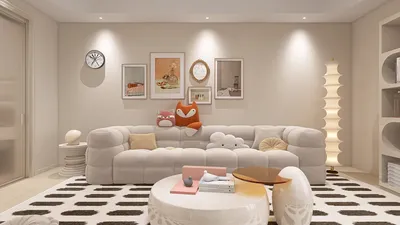


Throughout my experience in redesigning numerous community and parish halls, I've discovered that achieving the best results hinges on the careful balance of flexibility and character. For instance, the Thomas Parish Hall is designed to accommodate various activities such as worship services, receptions, workshops, and performances, each demanding unique considerations for acoustics, lighting, and flow. Adopting a modular approach proves essential—incorporating movable furniture, layered lighting systems, and integrated sound management rather than treating them as later additions. In multipurpose halls, maintaining a circulation-to-program zones ratio of around 25–35% ensures that areas for entry, catering, and restrooms are easily accessible, thereby enhancing seating arrangements.
Before diving into aesthetics, my first step is to ensure occupant comfort and operational efficiency. Guidelines from WELL v2 suggest maintaining an illuminance level between 300–500 lux at task surfaces in multipurpose areas. Managing glare is crucial for extended use, as outlined in the WELL Light guidelines. Research from Steelcase shows that environments with adjustable lighting and acoustics increase perceived productivity and wellbeing. Notably, their studies reveal that acoustic concerns are among the top complaints in shared workspaces and event venues. These benchmarks create the technical foundation, upon which we build mood and identity.
Spatial Zoning and Flow
Begin by delineating three primary zones: congregation/event seating, service/support (including catering, storage, and AV), and circulation paths. A functional distribution of 60/15/25 often yields positive results in parish halls. Ensure main aisles measure at least 1.5–1.8 m wide for two-way traffic, and maintain clear lines for egress to the exits. When exploring layouts for banquets versus lectures, utilizing a tool like a room layout planner can effectively illustrate seating densities, buffet arrangements, and wheelchair turning radii (minimum 1.5 m). In instances of high traffic events such as community markets or festivals, consider implementing temporary wayfinding signage and floor graphics to direct behavior without adding visual clutter.
Lighting Strategy: Layered and Dimmable
The ambiance of parish halls is heavily reliant on quality lighting. I aim for an ambient luminance of 350–400 lux for general events, with accent lighting reaching up to 700–750 lux on highlights like podiums, altars, and exhibits. It’s important to maintain a flexible correlated color temperature: 2700–3000K for warm liturgical occasions, while 3500–4000K fits better for workshops and daytime events. To avoid direct-view LED glare, I recommend using indirect uplighting and incorporating prismatic diffusers or baffles. Additionally, keeping uniformity ratios around 0.6–0.8 prevents the emergence of hot spots. If stained glass or other historical features are present, balancing natural light with motorized shades and employing DALI or 0–10V dimming profiles can facilitate rapid scene changes—categories like Lecture, Banquet, Ceremony, and Clean-up can be managed seamlessly.
Acoustic Comfort and Speech Intelligibility
Many parish halls struggle with hard surfaces leading to unwanted echo. Aiming for a mid-frequency reverberation time (RT60) of 0.7–1.0 seconds is advisable for speech-oriented events. Installing acoustic ceiling clouds or high-NRC wall panels (NRC ≥ 0.80) at first reflection points can significantly reduce such issues, while adding bass traps is beneficial for music-focused activities. For adaptable seating arrangements, utilizing carpet tiles with cushioning helps mitigate footfall noise without compromising an inviting atmosphere. Ensure portable PA systems are calibrated for the space, and include induction loops for users of hearing aids, enhancing inclusivity.
Color Psychology and Material Palette
Colors play a vital role in setting the ambiance. To foster community and tranquillity, soft neutrals combined with desaturated greens or blues are effective—research from Verywell Mind indicates that blue symbolizes stability and focus, while green promotes balance. Use vibrant colors sparingly on large surfaces, reserving richer tones for doors, stage backdrops, or movable screens to define areas. Choose materials that are durable and easy to maintain: high-pressure laminate for surfaces, FSC-certified wood for warmth, and recycled PET acoustic panels for sustainability. Ensure slip resistance at entrances (≥ R10 rating) and opt for low-VOC finishes to prioritize comfort and wellbeing.
Furniture Planning and Flexibility
Investing in stackable chairs with a seat height of 450–460 mm and spacing of 750–800 mm in lecture arrangements is crucial. For banquet settings, tables arranged for seating 10–12 guests work well at a spacing of 1.5–1.8 m, allowing for 1.2 m service aisles for catering staff. Incorporating mobile staging in 200 mm increments with guardrails simplifies and secures setup. Storage is essential—committing at least 10–12% of the hall's floor area to ventilated storage for chairs, AV equipment, linens, and liturgical materials is necessary. Clearly labeling zones will enable volunteers to quickly reset the venue post-event.
Circulation, Accessibility, and Safety
Plan for universal accessibility from parking areas to the main hall, including level thresholds, 900 mm clear widths for doors, and tactile indicators on stair treads. Ensure restrooms are conveniently located near seating areas without obstructing catering routes. Routine testing of emergency lighting and illuminated exit signs is essential; consider using photoluminescent path markers for nighttime events or power outages. If the kitchen services are frequent, implementing a pass-through counter and a secondary service door can streamline public movement.
AV, Tech, and Storage Integration
Pre-wiring the stage or podium with balanced audio, HDMI, and power on both sides helps eliminate tripping hazards from cables. Employing a ceiling projector lift keeps sightlines clear, while laser projectors decrease maintenance needs. Ensuring Wi-Fi coverage meets or exceeds -65 dBm across the hall is crucial for successful streaming and hybrid events. Providing secure storage for mixers and microphones while positioning charging stations within storage can help minimize clutter. Utilizing simple touchscreen presets—Ceremony, Lecture, Banquet, and Performance—enables volunteers to operate equipment without requiring a technician.
Event Planning Templates
For ceremonies, arrange a center aisle measuring 1.8 m, flanked by seating blocks and 1.0 m side aisles, supplemented with warm lighting at 3000K, accentuating the altar or podium. Banquets can host 10–12 guests per round table, with a 1.5 m corner-to-corner spacing, alongside a 1.2 m service aisle and cueing barriers for buffet lines. In workshop settings, rows or pods should maintain an interval of 1.8 m between each, with lighting at 4000K and whiteboards requiring 500–600 lux vertical illumination. For performances, draping reflective walls and achieving an RT60 around ~0.8 seconds creates a darker atmosphere accented with focused stage lighting.
Sustainability and Operations
Selecting LED fixtures that boast a CRI of 90+ alongside occupancy and daylight sensors drastically reduces energy consumption. Opting for furniture with replaceable components and modular carpeting prolongs their lifespan. If landscaped areas are present, consider adding bike racks and shaded seating to accommodate arrivals and outdoor gatherings. Instituting a quarterly maintenance schedule, including filter changes, lamp checks, and floor maintenance, ensures the hall remains in optimal condition without unexpected expenses.
Budget and Phasing
To minimize downtime, phase upgrades systematically: begin with enhancing lighting control and treating acoustics for the highest impact, followed by furniture and storage improvements, and finally the finishing touches. Establishing a rental program for residents—furniture, PA systems, and tables—allows the hall's resources to generate revenue that can support future enhancements.
FAQ
Aim for illuminance levels of 300–500 lux at task surfaces using dimmable controls; accent zones should exceed this for podiums or displays, adhering to WELL v2 Light recommendations regarding comfort and glare.
A mid-band RT60 of 0.7–1.0 seconds accompanied by NRC ≥ 0.80 panels at first reflection points typically ensures adequate clarity of speech while decreasing listener fatigue.
For lectures, aim for spacing of 750–800 mm center-to-center. In banquet settings, arrange tables approximately 1.5–1.8 m apart with 1.2 m aisles for service staff.
Employ 2700–3000K lighting for a warm, ceremonial atmosphere, while 3500–4000K lighting is preferable for workshops and daytime programs where alertness is key.
Utilize an interior layout planner to visualize and simulate seating arrangements, aisle widths, and audiovisual sightlines prior to relocating furniture.
Combine motorized shades with indirect lighting, diffusers, and dimming profiles while maintaining uniformity ratios near 0.6–0.8 to avoid hot spots.
Allocate 10–12% of the hall’s floor area for secure, well-ventilated storage for chairs, tables, audiovisual equipment, and linens; clearly label storage areas for volunteer efficiency.
Pre-wiring both sides of the stage for audio and video, utilizing ceiling projector lifts, and centralizing controls with straightforward scene presets enhance efficiency for various event types.
Incorporate recycled PET acoustic panels, cushion-backed carpet tiles, and high-pressure laminate work surfaces to ensure durability while achieving sound absorption.
The importance of controllable lighting and acoustic comfort is consistently highlighted; research by Steelcase underscores their substantial influence on perceived productivity and general wellbeing.


Yozma Curved Chenille Sectional Sofa Beige, Dual D

Mid Century Solid Wood Fabric Dining Chair 3D Model
Homestyler is your go-to online home design platform! With an easy-to-use design tool, stunning 3D renderings, and a wealth of inspiring design projects and video tutorials, you can effortlessly bring your home design visions to reality. Start your creative journey today!
立即免费设计
































