

Creating a convention hall that excels in hosting conferences, exhibitions, banquets, and hybrid events begins with prioritizing human experience, ensuring efficient circulation, and incorporating technical robustness. My design philosophy integrates lighting science, sound control, and ergonomic considerations, allowing the venue to seamlessly transition from keynote sessions to gala events in a matter of hours—without sacrificing comfort or brand identity. In line with the WELL Building Standard (WELL v2), optimal lighting is essential for enhancing visual clarity and supporting circadian health; the WELL Lighting concept emphasizes the importance of glare management, color rendering, and adjustable light spectra, which are crucial for maximizing attendee satisfaction and alertness. Research conducted by Steelcase indicates that environments that accommodate posture, movement, and sensory diversity can significantly enhance perceived productivity and overall wellbeing, making this approach especially relevant for lengthy sessions in auditoriums and breakout areas. Additionally, utilizing tools like Homestyler can assist in visualizing these spaces effectively.
To ensure that design choices are anchored in measurable outcomes, I depend on lux levels recommended by the IES: roughly 300–500 lux for general seating arrangements, 500–750 lux for workshop tables, and as much as 1,000 lux at registration desks where detailed tasks are carried out—always complemented by fixtures that minimize glare. The WELL v2 standard encourages exposure to daylight and dynamic lighting, which I interpret as creating layered lighting scenes—employment of ambient lighting at 300–350 lux in pre-function areas, focused spotlighting at higher vertical illuminance on speakers, and warm dim lighting around 2700–3000K for a welcoming, social ambiance during banquets. Insights from VerywellMind’s color psychology highlight how warm color tones foster an inviting atmosphere, whereas cooler shades promote clarity and concentration; this combination is pivotal in crafting the hall's atmosphere from morning plenaries to evening receptions, further enhanced by utilizing Homestyler for layout visualizations.
Smooth Circulation in Space Planning Under Pressure
When large groups transition between sessions, ensuring smooth circulation is crucial. I design entry points with spacious, dual-direction pathways and clearly marked signage—using overhead indicators for general wayfinding and eye-level signs for specific navigation. Unobstructed sightlines should be maintained from the entrance to registration areas and main halls. For adaptable event configurations, I maintain a balance of 60–70% open floor space utilizing mobile partitions, alongside fixed elements like AV control, back-of-house (BOH) areas, and storage positioned around the perimeter to keep the central area open for staging setups. To experiment with seating arrangements, employment of a room layout tool like Homestyler can facilitate simulations of various setups without guesswork.
Control of Lighting Layers and Scenes
Lighting drives focus and rhythm within the space. I employ four layers of illumination: ambient ceiling wash; vertical lighting for faces and branding displays; accent lighting for stage components; and localized task lighting for areas such as registration and workshop tables. Using tunable white lighting ranging from 2700 to 4000K allows for a transition from an alert atmosphere during keynotes to warmer tones for evening functions. Dimming curves must be smooth to ensure camera exposure is well managed for live broadcasts. It’s beneficial to keep focused beam angles tight (19–36° for stage spots) while controlling spill, allowing presenters to appear sharply illuminated, while the audience enjoys a comfortable, low-glare setting. I prefer high CRI (≥90) lighting to maintain brand color integrity on promotional banners and exhibits.
Acoustic Strategy for Enhanced Clarity
Managing reverberation is essential for effective communication. I aim for an RT60 of 0.8–1.2 seconds in larger spaces to ensure speech clarity; this involves strategically placing absorptive ceiling clouds, perforated wood wall panels with sound-absorbing backing, and acoustic flooring solutions in transition areas. Additionally, the use of diffusers behind the audience mitigates flutter echoes without compromising the room's overall acoustic performance. It's crucial that back-of-house corridors and service access areas are acoustically isolated to prevent catering activities from interfering with ongoing sessions. For hybrid events, aligning microphone arrays and line-array speaker systems is essential to avoid sound phase issues in the back seating sections.
Focus on Seating, Ergonomics, and Human Interaction
Participants often spend 6–9 hours seated during events. In my designs, I recommend seat widths of 500–550 mm in theater configurations, with row pitches of 900–1,000 mm for adequate legroom, and round banquet tables designed to accommodate eight to ten people at 1,800–2,000 mm diameters. Aisle widths of 1,500–1,800 mm are vital for enhancing movement and safety. Research from Steelcase and Herman Miller correlates diverse postural options with comfort; I incorporate standing rails at the rear, introduce leaner tables in pre-function zones, and adjustable seating in workshops to encourage varying positions throughout the day. Accessibility measures include providing companion seating, spaces for wheelchairs with clear sightlines, and tactile guides throughout the venue.
Sufficient Power, Data, and Readiness for Hybrid Events
With the rise of hybrid formats, ensuring redundancy in connectivity is critical. I design distributed power outlets on a 6–9 meter grid, implement ceiling cable management systems for swift rigging, and maintain dual-network paths (primary fiber connection plus backup). AV racks are given dedicated climate control and isolated power supplies. Clean routing of presenter confidence monitors, return feeds, and communication lines is essential to reduce the risk of tripping hazards. When capturing content, it's important to maintain illumination levels of 30–50 fc on presenters' faces, ensure consistent color temperature, and have quiet HVAC systems to safeguard audio integrity. Placing storage near staging areas aids in optimizing transitions for multi-session days.
Branding, Color Psychology, and Navigational Assistance
Color schemes play a significant role in influencing attendee behavior. Cooler tones (around 4000K light combined with muted blues) facilitate focus during plenary sessions; in contrast, warmer palettes foster social engagement at receptions. It’s important to maintain a neutral, high-CRI foundation so that sponsors' color schemes are represented accurately. Modular graphic totems and LED headers provide a flexible branding solution without necessitating permanent alterations. A strategy for wayfinding should encompass macro (district guidelines), mezzo (hall identifiers), and micro (session arrows) layers, curbing decision fatigue. Maintaining consistency in iconography and employing high-contrast text enhances readability for a diverse audience, achieving the best results when planned using tools like Homestyler.
Material Choices and Sustainability Considerations
Selecting durable materials is essential for reducing lifecycle expenses. I opt for high-abrasion carpet tiles, stain-resistant table fabrics, and scratch-resistant laminates for service areas. In terms of sustainability, it's best to choose low-VOC paints and adhesives, FSC-certified wood for construction, and recycled-content acoustic panels. Material ConneXion serves as a valuable resource for assessing innovative materials that successfully blend performance with environmental responsibility. Where possible, implementing demountable partition walls can extend the useful life of the venue and minimize waste across different event types.
Creating Pre-function and Hospitality Areas
Pre-function zones serve as essential buffers for managing guest flow. I recommend a combination of high-top surfaces for quick interactions, quiet alcoves for private calls, and beverage stations positioned along the margins to disperse foot traffic. The lighting in these areas should be softer (300–350 lux), aided by localized task lighting at service counters. Acoustic barriers separating pre-function from the main hall are vital in preventing ambient noise from bleeding into sessions. Ensuring clear pathways for coat checks, ticketing, and sponsor booths is crucial for avoiding congestion at the main entrances.
Enhancing Back-of-House Efficiency
Back-of-house operations influence turnover rates more than any feature seen by participants. I design venues with direct access from loading docks to storage and staging wings, maintaining separate service pathways, and clearly defined routes for catering, AV, and facilities teams. Staging areas should accommodate the largest possible set pieces, with anti-slip flooring and robust edge protection. A dedicated area for equipment cleaning and preparation is essential for maintaining the cleanliness of the hall floor.
Planning for Adaptive Layouts
Flexibility has become a vital characteristic of contemporary events. I plan layouts with three fundamental scenarios: a conference theater setup (central stage with tiered sightlines and staggered aisles), an exhibition grid (modular 3x3 meter booths featuring anchor attractions), and a banquet configuration (circular table arrangements allowing for clear dance floors and service routes). Prior to finalizing rigging or carpet layouts, it’s prudent to validate clearances and egress routes using an interior layout planning tool extensively, such as Homestyler.
Lighting and Acoustic Commissioning
Commissioning ensures a consistent level of comfort. I review and refine DMX lighting scenes for various functions such as keynotes, panel discussions, workshops, exhibitions, and banquets. Vertical illuminance is measured at eye level, ensuring dimming adjustments maintain skin tone accuracy during video capture. Acoustic assessments include RT60 measurements, Speech Transmission Index (STI) for clarity, and spot corrections using portable absorption as necessary. Training staff on managing scene transitions and audiovisual handoff is critical for ensuring seamless shifts between sessions.
Helpful Tips 1: Ensuring Clear Sightlines
Maintain proportional stage heights—600–900 mm for mid-sized venues—while avoiding the introduction of tall scenic elements that obstruct views. Arrange seating patterns to ensure sightlines are free from obstruction, allowing guests to see clearly by at least 50–75 mm over adjacent shoulders.
Helpful Tips 2: Managing Glare and Ensuring Comfort
Select fixtures with low UGR reference optics, utilize shielded lighting sources, and choose matte finishes for nearby surfaces. It’s also advisable to position screens away from direct overhead lights to enhance readability.
Helpful Tips 3: Streamlining Event Turnarounds
Standardize cable organization, implement quick-connect trussing, and choose wheeled storage carts for banquet supplies. Employ a color-coding system for cases and zones to facilitate speedy resets.
Helpful Tips 4: Simplifying Wayfinding
Establish redundancy in signage for critical decision-making points and ensure consistency in iconography. Integrating tactile elements along key routes promotes inclusivity and accessibility throughout the space.
Helpful Tips 5: Ensuring Hybrid Event Reliability
Maintain redundant power and network pathways, ensure all feeds are properly labeled, and conduct thorough tests of upstream platforms prior to event commencement. Quiet HVAC systems are essential for preserving audio quality during broadcasts.
Sources for Reference and Authority
For a comprehensive understanding of standards and research, consider visiting the WELL v2 Lighting guidance and exploring workplace experience studies conducted by Steelcase Research.
Frequently Asked Questions (FAQ)
For general seating arrangements, aim for 300–500 lux, setting 500–750 lux for workshops, and 1,000 lux at registration or when completing detailed tasks. To minimize glare, implement shielded fixtures and ensure balanced vertical illumination.
Target an RT60 of 0.8–1.2 seconds by incorporating ceiling absorptive materials, wall treatments, and flooring solutions that effectively manage reflections while maintaining an inviting and naturally vibrant ambiance.
Provide ergonomic seat widths (500–550 mm), adequate row spacing (900–1,000 mm), and aisle dimensions that facilitate movement, alongside designated areas equipped with standing rails or leaners to promote positional versatility.
Utilize tunable white lighting, adjusting between 3500–4000K for heightened alertness during plenary sessions and transitioning to a warm dim of 2700–3000K for evening events. High CRI lighting is crucial for color accuracy in branding representation.
Adopt a modular approach through a grid system (e.g., 3x3 m booths), anchoring significant attractions to guide foot traffic effectively, while ensuring that service corridors remain clear. Testing audience flow and egress in a layout simulation tool before physical adjustments is key.
Implement redundant fiber and power connections, deploy distributed power outlets, optimize ceiling cable systems for rapid rigging, ensure AV racks are properly cooled, and calibrate lighting for an exposure-friendly environment for cameras.
Create a layered signage approach involving macro, mezzo, and micro displays with consistent iconography and contrasting colors. Ensure that signs are present at decision points and provide tactile cues to enhance accessibility features.
Incorporate high-abrasion carpet options, stain-resistant table fabrics, and durable laminates that resist scratching. Consider using low-VOC finishes, sustainable wood products, and recycled acoustic solutions, while exploring the advantages of demountable partitions to minimize waste.
Employ low UGR fixtures, adjustable accent lights, and carefully aimed beams to create a pleasant ambience. Screens should be positioned strategically to avoid interference from direct downlights, favoring well-designed vertical lighting for maximum comfort.
Establish direct pathways from loading docks to staging areas, maintain segregated storage zones, use mobile banquet supplies, and standardize cable management practices, while implementing clear color-coding systems for user-friendly operations.
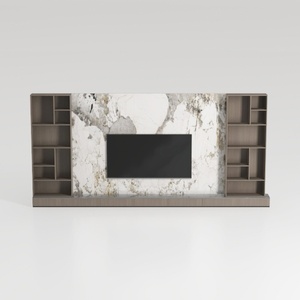
Modern Marble Solid Wood TV Wall Unit With Bookshelves 3D Model


Minimalist Walnut Fabric Loveseat Sofa 3D Model
Looking to unleash your inner designer? Homestyler is your go-to online platform! With its user-friendly design tool, stunning 3D renderings, a plethora of design projects, and insightful video tutorials, you can easily create and visualize your dream spaces—no prior experience needed!
立即免费设计
































