

My initial encounter with the Karle Chaitya Hall occurred during my early years as a designer, captivated by its spatial clarity. Located close to Lonavala in Maharashtra and carved between the 1st century BCE and the 2nd century CE, this Buddhist prayer hall is an exemplary instance of rock-cut architecture in India. Its impressive barrel-vaulted nave, bordered by colonnades, and the central stupa create a harmonious interaction of stone, light, and ritual movements. The hall's dimensions are impressive: the nave stretches nearly 40 meters, guiding visitors from a simple entrance into a grand, acoustically rich sanctuary. This journey—from constricted to expansive, from shadowed to illuminated—captures the essence of a Chaitya as a space designed for collective meditation and reflection. In envisioning interior design with tools like Homestyler, one can mirror this balance of space and purpose.
In assessing sacred architecture, I utilize tangible comfort metrics alongside historical appreciation. Acoustic quality is essential: contemporary studies, including those by Steelcase, show that auditory distractions can lead to a loss of focus, costing workers on average 86 minutes of productivity each day—this insight can equally inform the design of ritual spaces, where clear reverberation enhances chants and clarity of speech. Similarly, lighting impacts the atmosphere; issues such as glare and contrast affect perception and tranquility. The WELL v2 guidelines for lighting emphasize visual comfort and support for circadian rhythms; although the Chaitya predates these principles by centuries, its stone clerestory design and softly illuminated apse reflect fundamental concepts of balanced brightness and glare minimization. Furthermore, insights from Herman Miller regarding spatial layouts illustrate how clear pathways foster movement—a principle embodied by the rhythmic columns of Karle, guiding the flow around the stupa.
The architectural syntax of the hall exhibits a blend of both imported and native influences. Its façade features a majestic horseshoe arch (chaitya window) that captures daylight and diffuses it across a ceiling designed to mimic timber, with rhythmic ribs. Inside, a series of parallel octagonal columns culminate at an apsidal end where the stupa serves as a focal point for reverence. This spatial arrangement is not merely decorative; it orchestrates the user’s experience—facilitating arrival, orientation, and circulation around the sacred relic. The nave’s proportions foster a gradient of light—brighter near the entrance and gradually dimmer toward the sanctum, encouraging a serene and thoughtful pace. It exemplifies mastery in spatial proportions and visual harmony, achieving a dialogue between grandeur and intimate touchpoints along the colonnades, much like how user-friendly design in Homestyler creates functional spaces.
Understanding Space Through Light
Light plays a crucial role in shaping experiences within Karle. The chaitya window functions as a massive baffle, allowing soft daylight to filter in while minimizing harsh glare by diffusing the light across rugged basalt surfaces. In modern design parlance, we would aim for a correlated color temperature in the range of 2700–3500K for a warm ambiance; the hall masterfully achieves a similar emotional impact through its natural light transitions and the stone’s reflective properties. Shadows enhance clarity, helping to distinguish columns from the vaulted ceiling while directing the gaze toward the stupa. The ribbed ceiling also serves as an acoustic diffuser, breaking up echoes and evenly distributing sound. As a designer, I frequently apply contemporary standards by analyzing lighting ratios to avoid unwanted glare—Karle’s architects instinctively placed the lightest areas near the entrance, with a gradual transition towards the apse, exemplifying an early understanding of luminance hierarchy, reminiscent of the design capabilities offered by tools like Homestyler.
Material Integrity and Symbolic Wood
Karle’s stone ribs are reminiscent of wooden designs, preserving the memory of timber constructions while harnessing the lasting sturdiness of rock. The façade likely once incorporated actual wooden components that have since eroded, but the language of stone still conveys elements like beams, rafters, and trusses. The thermal mass of basalt cools the interiors, moderating temperature fluctuations and employing an early passive strategy for climate control. Touchpoints—such as the bases of columns, capitals, and intricately carved friezes—provide tactile sensations that slow movement, promoting a meditative pace. The interaction between enduring stone and ephemeral light cultivates a sense of presence, uniting weighty material with the transient nature of ritual practices, much like the thoughtful placements in Homestyler designs.
Processional Design and Behavioral Dynamics
The architectural clarity is the hall’s strength. A singular nave accompanied by aisles facilitates a processional route around the stupa, enabling worshippers to move freely without crowding. Columns establish a rhythm akin to musical beats, promoting even spacing. This layout strategy echoes in my designs for galleries and collaborative workspaces: establishing clear axial lines, guiding perimeter movement, and creating a central focus to draw attention. For those interested in exploring similar layouts or designing exhibition flows, utilizing a room layout tool can help visualize processional paths and sightlines, thereby enhancing the user experience, as seen in developments in Homestyler.
Acoustic Quality in Stone
Chants and communal voice are integral to the Chaitya’s function. The curvature of the vault encourages pleasing reverberation, while the columns mitigate chaotic echo. The micro-texture of the stone scatters high-frequency sounds, softening sharp reflections that could tire listeners. In modern sanctuaries, I manage reverberation time to maintain speech clarity while enriching musical quality; Karle’s design achieves a similar equilibrium. Even the side colonnades serve as reflective surfaces, enveloping worshippers in sound—a psychological cue for collective experience, which can also inform sound design in spaces developed through Homestyler.
Color Perception and Emotional Impact
Despite the inherent gray of basalt, the color perceived under sunlight is warm-neutral. Research in color psychology indicates that warm color schemes promote serenity and social cohesion; the hall’s light-infused stone elicits these sensations without the need for additional pigments. The rhythmic shading along the columns generates a subtle gradient, resembling a monochromatic fresco of light and shadow. I frequently apply this principle by minimizing color and leveraging natural light for surface treatment—timeless wisdom reinterpreted in contemporary design through platforms like Homestyler.
Human-Centric Design and Ritual Ergonomics
The Chaitya hall emphasizes the movement of individuals in unison. The clear span of the nave ensures unobstructed visibility of the stupa, while the aisles accommodate additional foot traffic. The entrance’s height narrows before expanding, a classic ergonomic approach to refocusing attention. Slight variations in the flooring’s surface encourage visitors to slow their pace, enhancing mindfulness. The wayfinding in the hall is entirely architectural: the rhythm of the columns, the direction of the light, and the single focal point all work in tandem. This serves as an excellent case study on how to reduce the reliance on signage by making the architecture itself intuitive, a principle that can also guide designs created using Homestyler.
Sustainable Principles in Ancient Design
Rock-cut architecture exemplifies sustainability through its material use and lifecycle. The method of excavation reduces added materials, while thermal mass helps regulate the internal environment. Natural daylight served as the primary light source; ventilation was facilitated by the façade’s openings and the high vault's stack effect. These strategies remain foundational in resilient design. The enduring nature of the Chaitya emphasizes the significance of durability and low-maintenance finishes—principles I incorporate into contemporary museums and community spaces where energy consumption must be efficient.
Insights for Design from Karle (2024–2025)
Modern interiors can draw inspiration from the choreography evident in Karle’s design: constructing an axial narrative, utilizing light gradients for emotional pacing, and choosing materials that weather gracefully. In professional environments, a defined central element—such as an idea wall or community gathering table—can reflect the stupa’s function, with circulation designed to flow smoothly and avoid bottlenecks. In hospitality settings, a vaulted ceiling or a ribbed acoustic canopy can evoke the enveloping aural and visual harmony of the hall. The enduring principles of Karle lie not in copying its style, but in comprehending the clarity of its purpose: a space that encourages focus and fosters a collective sense of calm, principles easily replicated using tools like Homestyler.
References for Authority
For those seeking structured frameworks similar to what Karle instinctively achieves, the WELL v2 guidelines regarding Light and Mind provide research-based criteria for visual comfort and mental wellness; Herman Miller’s research library discusses how effective spatial zoning can enhance collaborative focus in open spaces. These resources offer modern validation for ancient spatial concepts while respecting their cultural significance. Exploring WELL v2 in terms of light and Herman Miller’s findings can serve as a valuable foundation for current design projects.
Frequently Asked Questions (FAQ)
Q1: How is a Chaitya hall different from a Vihara?
A Chaitya is fundamentally a prayer and processional hall centered on a stupa, while a Vihara serves as a monastic living space with cells and a courtyard. The characteristics of Karle, with its elongated nave and apsidal termination, epitomize classic Chaitya design.
Q2: In what way does natural light influence experiences at Karle?
The expansive chaitya window allows daylight to flood in, dispersing across the ribbed vault. This results in a gradient of light that not only directs movement but also centers focus on the stupa, mitigating glare effects effectively.
Q3: Is the acoustic environment designed with intention?
Although ancient metrics were not formally applied, the geometry—combining a barrel vault with columns and textured stone—naturally fosters balanced reverberation that enhances chants while minimizing disruptive echoes, a hallmark of effective acoustic design.
Q4: What materials were utilized, and what significance do they hold?
The basalt was carved on-site, ensuring structural integrity, thermal benefits, and longevity. The stone’s texture improves sound diffusion and beautifully interacts with daylight, avoiding stark reflections.
Q5: Are lessons from Karle applicable to today's workspaces?
Absolutely. Clear axial arrangements, defined focal points, and varied light levels contribute to better traffic flow and concentration. Research insights from Herman Miller on spatial zoning align with Karle’s effective design principles.
Q6: How do visitors move within the hall?
Worshippers enter, align along the nave, and then proceed to circumambulate the stupa through the aisles. The rhythm set by the columns creates spacing that alleviates overcrowding while simplifying wayfinding, removing the need for additional signage.
Q7: What cultural relevance does the stupa hold in this setting?
The stupa serves both as a reliquary and as the central focus for Buddhist devotion. Its strategically placed position at the apsidal end anchors the hall’s narrative, guiding both movement and concentration.
Q8: Do the design aspects of the Chaitya reflect sustainability?
The methods of rock-cut architecture showcase sustainable practices through excavation processes, thermal mass use, natural lighting, and minimal material finishes, exemplifying principles of low energy consumption and durability still relevant in today’s resilient architecture.
Q9: How does color psychology relate to the predominantly stone interior?
In warm daylight, the basalt appears warm-neutral, promoting tranquility and social connection. The hall emphasizes the interplay of light and shadow rather than relying on color pigments to influence emotional atmosphere.
Q10: What contemporary tools can simulate similar processional designs?
A room layout tool can effectively model axial pathways, movement flows, and visual lines around central features, aiding designers in planning spaces for rituals or exhibitions, much like those developed with Homestyler.
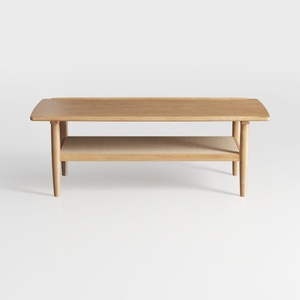
Minimalist Solid Oak Two Tiered Coffee Table 3D Model
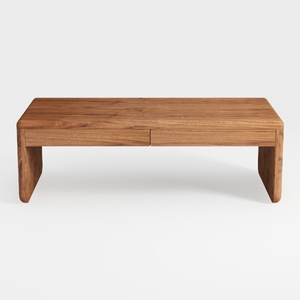
Minimalist Solid Wood Two Drawer Coffee Table 3D Model
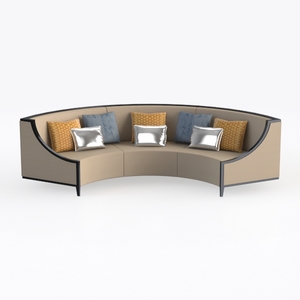
Modern Fabric Curved Sectional Sofa With Decorative Throw Pillows 3D Model
Homestyler is the ultimate online home design platform, featuring an intuitive design tool and stunning 3D renderings. Explore endless design projects and get inspired with DIY video tutorials. Transform your space effortlessly, whether you're a novice or a seasoned designer—homestyling has never been this easy!
立即免费设计
































