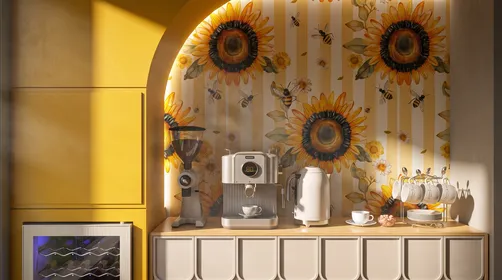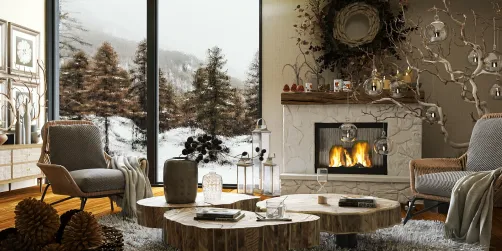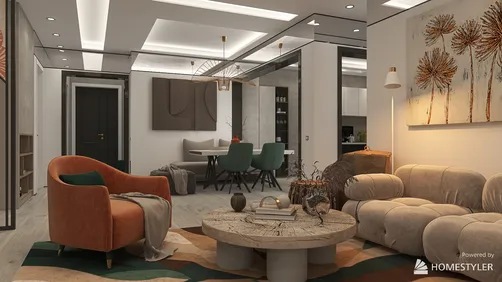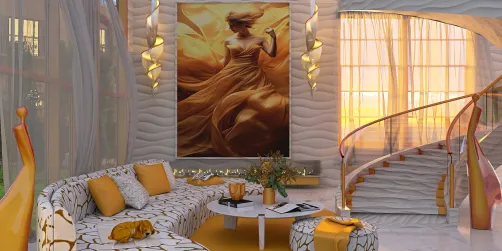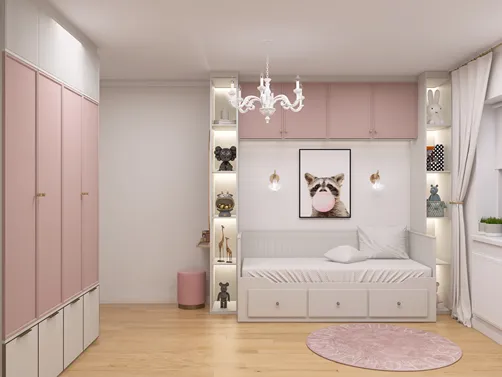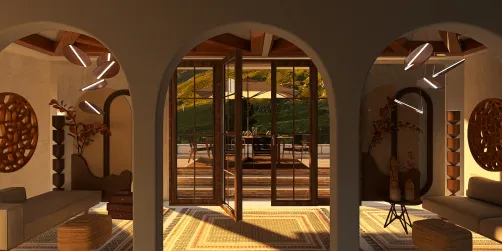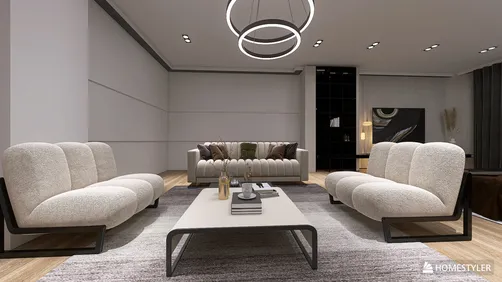

I design honeymoon suites to be enchanting and personal—areas that invite relaxation and enhance emotions. Romance encompasses more than just rose petals; it's about the way light interacts with textures, how sound gently fades away at the perfect moments, and how fragrances create lasting memories, all while the space facilitates intimate experiences for couples.
The expectations of guests are evolving. According to Gensler’s latest insights into hospitality, today's travelers prioritize experiential design that fosters mood and wellbeing, rather than merely focusing on visual appeal. The WELL Building Standard highlights the importance of environmental factors—such as lighting, sound, and materials—in contributing to comfort and sleep quality. These guidelines suggest approaches like circadian lighting and sound isolation, which directly enhance restorative experiences. I incorporate these principles into my designs for honeymoon suites, utilizing warm dimmable lighting around 2700–3000K, layered acoustic treatments, and low-VOC, tactile materials to promote tranquility.
Understanding real usage patterns is essential. Research by Steelcase on behavioral environments indicates that individuals respond positively to spaces that cater to specific intentions—be it quiet reflection, socializing, or rejuvenation. In the context of a honeymoon suite, this translates to distinct areas for arrival (unpacking and unwinding), celebration (champagne and vows), intimate conversation (cozy seating arrangements), and restful sleep (distraction-free environments). I design these workflows to ensure the room facilitates intimacy seamlessly.
Crafting the Atmosphere: A Five-Senses Welcome
Creating a romantic suite begins with a sensorial experience. Begin with a muted entry that opens into a softly illuminated lounge, featuring warm lighting around 2700K with adjustable dimmers. A carefully selected scent—perhaps a hint of jasmine or neroli—welcomes them as they enter; I prioritize low VOC emissions and use natural diffusers. In terms of acoustics, a soft background melody of gentle jazz or coastal sounds at 40–45 dB creates an inviting atmosphere. A handwritten note alongside chilled champagne and delectable small bites sets the stage for the evening. The initial moments should gently convey, “This space is for you.”
Illumination for Romance and Relaxation
Lighting plays a crucial role in establishing mood and energy levels. Implement three layers: ambient (such as cove or shaded pendant lights), task (bedside reading lamps set at 3000K with 80+ CRI), and accent lighting (pin spots targeting floral arrangements or artwork). Following WELL v2 recommendations, I allow guests to control brightness through dimmers to avoid harsh adjustments. Incorporating low-glare fixtures and indirect lighting helps prevent eye strain, and night-mode pathway lighting at floor level ensures safe navigation without disturbing the evening ambiance. For vanity areas, vertical sconces should provide balanced illumination to eliminate shadows.
Personalized Color Psychology
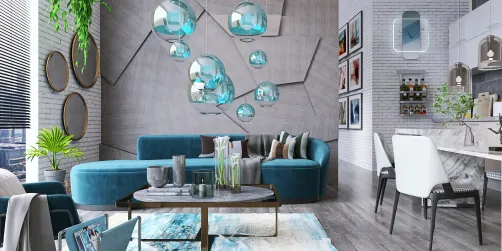
Color selections should evoke intimacy rather than drama. Research from Verywell Mind reveals that warm shades can inspire comfort and connection, while cooler hues offer a sense of calm. I typically blend a soft nude or blush base with muted greens or slate blues to soothe the nervous system. Adding metallic elements like champagne brass or brushed gold can introduce a touch of celebration without overwhelming the senses. Even if the hotel brand features bold colors, I prefer to keep the honeymoon suite’s textiles and lighting softer and more understated.
Material Choices that Prioritize Sustainability
Romantic designs that prioritize health are more lasting. It's essential to use Oeko-Tex certified textiles, low-VOC paints, and FSC-certified wood materials. Wool-blend rugs provide sound absorption and a plush feel, while luxurious velvet with a tight pile helps prevent wear during cozy reading sessions. Selecting marble or quartz for bedside surfaces handles condensation from chilled beverages effectively. Sustainability resonates with modern couples, so discreet signage can be employed to highlight responsibly sourced materials without disrupting the romantic atmosphere.
Design That Fosters Connection
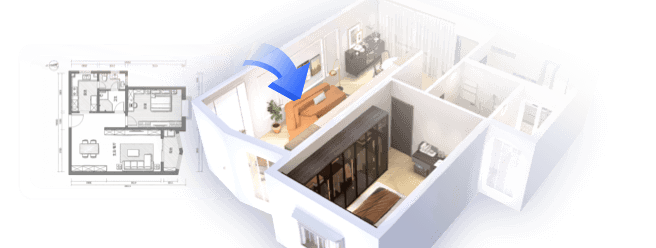
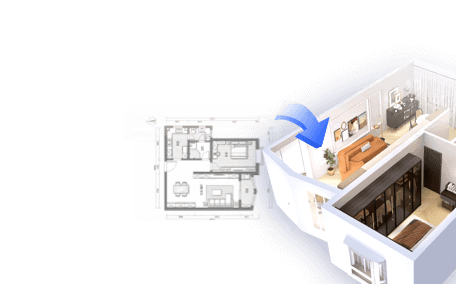
The room should be arranged like a graceful dance. A cozy lounge area ought to face a focal feature (a fireplace, captivating view, or a piece of art) rather than a television. Maintain clear pathways from the bath to wardrobe to bed. A quaint bistro table positioned near natural light enhances breakfast moments. If you're experimenting with layouts or sightlines, a room layout tool can efficiently visualize adjacencies and intimate viewpoints.
Unique Romantic Touches
Not every suite requires floral petals. Think about unique gestures that feel tailored: a handpicked selection of vinyl records or a personalized playlist based on the guests’ tastes; a sealed envelope containing prompts for reflection (such as gratitude or future aspirations) to explore after dessert; a carefully chosen poem card on the nightstand; a monogrammed ribbon on the robe; a small floral arrangement in a low vase that maintains sightlines; a timed lighting scene named “Stargaze” that subtly dims the lights and activates soothing audio.
Bedding: Comfort, Breathability, and Serenity
The bed serves as the centerpiece of the room. Opt for a medium-plush mattress with a breathable topper. Incorporate percale sheets for a cooling effect, a light quilt, and a cashmere throw positioned at the foot. Keep decorative pillows to a minimum—two for sleeping and two shams—ensuring turndown is a breeze. Using bedside trays with raised edges allows for drinks and a carafe safely. Integration of USB-C outlets in the nightstand enhances the experience; romance also includes convenience.
Acoustic Comfort and Privacy
True romance flourishes in tranquility. Incorporate upholstered panels or fabric wall treatments behind the headboard to absorb mid-range frequencies. Heavy drapes can provide additional sound insulation; opt for double tracks that allow the use of sheers and blackout options. Implementing soft-close mechanisms on doors and cabinets preserves the ambiance during late hours. In larger suites, area rugs and comfortable seating can help reduce echoes, while ensuring HVAC systems operate quietly to avoid disruptive noise during private conversations.
Bath as a Retreat
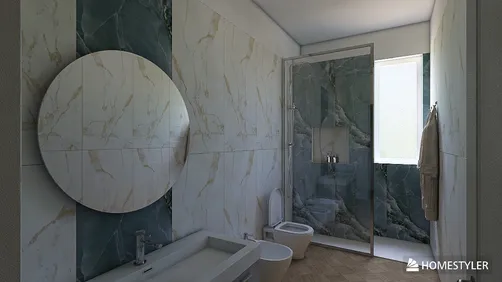
The bathroom can transform into a sanctuary without equal. If a soaking tub is available, adorn it with dimmable wall lights and candle-safe ledges. Offer bath salts, a waterproof poem card, and a stylish teak caddy. For showers, consider a rain shower head combined with a handheld option for practicality—ideal for rinsing off rose petals if guests decide to indulge. Heated floors add a subtle touch of luxury; if this isn't an option, lay down a plush mat and include a towel warmer.
Culinary and Beverage Experiences
Thoughtfully curated mini bars are essential. Stock them with two crafted non-alcoholic beverages, a half-bottle of Champagne, rich dark chocolate, seasonal fruits, and a savory snack. Include a discreet ice bucket and silent fridge. A kettle for loose-leaf tea can become a cherished late-night ritual. To start the day off right, provide a pre-set breakfast order card that can be hung on the door to avoid early disturbances.
Personalization with Thoughtfulness
Exercise restraint in personalization. A subtle monogram on a welcome card, a playlist inspired by their wedding destination, or a locally crafted gift can evoke feelings of connection to their experience. Care should be taken to avoid intrusive displays, such as hallway signage that could make guests feel exposed. Romance should surround the couple with a sense of comfort, not exhibitionism.
Discreet Technology Integration
Ensure that technology remains unobtrusive. Implement one-touch scenes for different moods: Arrive, Dine, Dream. Provide bedside wireless charging options, effective hidden cable management, and a muted screensaver on the television. If voice control is available, offer a manual alternative, as many guests prefer physical switches. Ensure privacy is prioritized by placing noticeable “Do Not Disturb” signs and a toggle for housekeeping preferences inside the room.
Intimate Micro-Zones
Design small zones that celebrate togetherness: a low loveseat paired with a shared ottoman, a vanity with a stool that serves as a writing space for vow notes, and a window bench designed for sunrise coffee moments. Maintain soft, rounded furniture edges; an inviting silhouette enhances the romantic atmosphere.
Nature-Inspired Florals
Limit floral arrangements to be compact and aromatic without overwhelming the space. Perhaps one standout bloom (like garden roses or peonies) complemented by greenery presents an elegant touch. For guests who may be sensitive to scents, consider using unscented flowers or a cluster of herbs—such as rosemary, mint, and thyme—close to the tea service.
Rituals for Meaningful Experiences
Rituals are pivotal in creating lasting memories. Establish the evening with three key moments: a handwritten welcome note upon arrival, a dessert served on a single shared plate, and a turn-down note with a comforting sleep affirmation. These simple choreography elements author the romantic journey of the night.
Trends for Honeymoon Suites in 2024–2025
Warm minimalism is here to stay: fewer objects and richer textures will dominate. Champagne-toned metals and sculptural lighting designs will begin to replace traditional chrome. By using bio-based materials and low-VOC finishes, we can align with wellness standards. Soft technology—such as scene-based lighting and whisper-quiet HVAC systems—will outshine flashy gadgets. Expect couples to seek unique local crafts in items like pottery and textiles, telling their story of place.
Staff Operational Considerations
The most exquisite design cannot succeed without excellent service coordination. Provide staff with a checklist encompassing the scent level, dimmer settings, playlist volume, and turn-down schedule. Ensure that extra supplies—like matches, towels, and non-alcoholic sparkling options—are readily available. Train personnel on discreet entry protocols: a soft announcement before entering, placing items on a side console, and exiting quietly. Always prioritize guest privacy.
Common Questions
Aim for ambient and bedside lighting around 2700–3000K, employing dimmers for enhanced control, as aligned with WELL v2 Light guidance. This range is flattering to skin tones while assisting in evening relaxation.
Utilize soft neutrals (such as nude or blush) paired with muted greens or slate blues. Research from Verywell Mind indicates that warm shades promote comfort, whereas cooler tones encourage calmness; achieving a balance between both is essential.
Incorporate upholstered headboard panels, heavy drapes, plush rugs, and soft-close mechanisms. Keep HVAC systems quiet, and maintain a background audio level of 40–45 dB.
Provide breathable percale sheets, a light quilt, minimal decorative pillows, and a cashmere throw. Bedside trays, water carafes, and integrated charging outlets for devices are great additions.
Focus on discreet elements: a personalized welcome note, a locally made craft item, or a tailored playlist. Steer clear of public signage or overt displays that make guests uncomfortable.
Control technology with simple scene options (Arrive, Dine, Dream), bedside wireless charging, concealed cable arrangements, and easily visible “Do Not Disturb” signs.
Incorporate subtle scents such as jasmine or neroli, or opt for herb aromas. Refrain from using strong synthetic fragrances; natural diffusers help keep VOC levels low.
Establish clear zones for arrival, dining, conversation, and rest. Position furnishings around a focal point rather than a television. Test arrangements with layout design tools prior to installation.
Ensure your mini bar features a half-bottle of Champagne, crafted non-alcoholic drinks, rich dark chocolate, seasonal fruits, and a savory snack. Include tea service options for late-night enjoyment.
The WELL v2 guidelines provide recommendations regarding light, sound, and materials aimed at enhancing comfort and sleep; Gensler’s research emphasizes creating designs that forge emotional connections.
Built on technology originally developed at Autodesk, Homestyler empowers anyone to design beautiful, realistic spaces in minutes. Join over 20+ million registered users (platform data, 2026) who have already discovered a smarter way to plan, visualize, and bring their dream homes to life — all from the comfort of a browser.
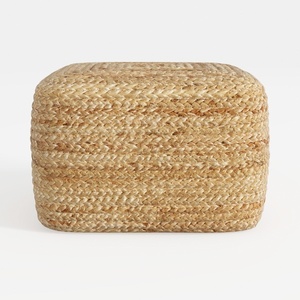
Natural Rattan Woven Square Ottoman 3D Model

Mid-Century Solid Oak Wood Storage Coffee Table 3D Model

Modern Minimalist Brown Leather Extra Large Sofa 3D Model
Looking to redesign your space? Homestyler is your go-to online platform for home design! With an easy-to-use design tool, stunning 3D renderings, and inspiring DIY video tutorials, you can transform your ideas into reality effortlessly. Unleash your creativity today!
Design Now for FREE