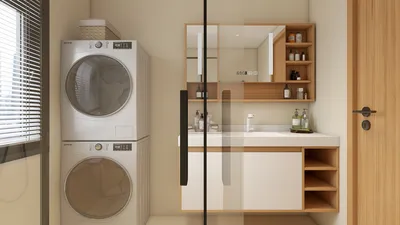


Well-designed small hotel rooms can exude a sense of elegance, spaciousness, and practicality when every detail is purposefully curated. My approach to these compact hospitality spaces incorporates a careful choreography of light, movement, and storage, enhanced by color and tactile materials that contribute to an elevated sense of comfort while maintaining a clutter-free visual environment.
The experience hinges on scale and proportion. In various hospitality ventures, I've observed increased guest satisfaction when effective lighting, ergonomics, and acoustic elements are harmoniously aligned. According to WELL v2, optimal task lighting should be set at 300–500 lux for work surfaces, while ambient lighting should hover between 150–300 lux to ensure comfort. These guidelines help reduce harsh contrasts and facilitate natural relaxation for guests. Research by Steelcase emphasizes that cognitive performance declines with heightened noise and visual distractions; thus, prioritizing acoustic management and subdued color schemes in small rooms can significantly enhance rest and concentration.
Choosing the right colors plays a crucial role, much like the floor plan. A review by Verywell Mind suggests that muted blues and gentle greens promote tranquility, while overly vibrant reds can increase excitement levels. In compact spaces, I prefer to maintain lower saturation and balanced contrasts, introducing warmth through textured wood materials and dimmable lighting instead of vibrant colors. For designers in search of broader wellness indicators, the WELL v2 framework offers considerable benchmarks related to lighting, air quality, and materials that translate effectively into hospitality design.
Start with Optimized Circulation
Establishing a clear pathway from the door to the bed and bathroom minimizes cognitive strain following travel. I aim for a minimum 36-inch clear path wherever possible, ensuring luggage is positioned away from the circulation route. If room layout complicates movement, sleek console tables can replace bulky furniture. Utilizing a room layout tool, like Homestyler, assists in visualizing spacing and flow before finalizing arrangements.
Effective Lighting for Circadian Rhythm Support
Incorporate a mix of ambient, task, and accent lighting while keeping glare in check. Ambient lighting should be soft at 2700–3000K during evening hours to signal a winding down; task lighting should reach 3000–3500K and range from 300–500 lux at desks for work and emails, adhering to WELL specifications. Bedside lights should feature dimmable settings with asymmetric shades to lessen light spill. Furthermore, position lighting sources to avoid direct visibility of LEDs, preventing harsh lighting spots and promoting improved sleep quality.
Multi-Functional Compact Furniture
In small hotel rooms, furniture must serve multiple purposes. For example, a 24-inch-deep desk can function as both a workspace and vanity when equipped with a pull-out mirror; nesting tables can double as luggage stands; and wall-mounted nightstands save floor space, allowing for a larger area rug that visually defines the bed space. Rounded edges near circulation paths minimize collisions and visually ease the room's overall look.
Integrated and Discreet Storage Solutions
Hide essential utilities: implementing a compact wardrobe with sliding doors, full-height mirrors, and in-built lighting; under-bed storage for longer stays; and a headboard nook for devices with integrated power and USB options. Using touch-latch mechanisms keeps appearances streamlined. Finish closet interiors using warm wood veneer to make open storage feel intentional rather than purely functional.
Color and Material Choices for a Calming Atmosphere
In compact rooms, I lean toward a three-tone color scheme: light neutral walls, mid-tone wood elements, and subdued accent colors like sage or slate blue. This neutral foundation creates a perception of spaciousness, while wood elements add warmth and the accent colors bring personality to the space. It's essential to manage gloss levels—using matte finishes on walls to cut glare, satin finishes on millwork to minimize fingerprints, and low-sheen textiles to softly diffuse light. Opt for durable, certified materials with low VOC emissions to maintain healthy air quality.
Implementing Acoustic Solutions in Limited Spaces
In renovations, it’s necessary to enhance wall mass between adjoining rooms while considering decoupled assemblies. Alternatively, strategically introduce soft elements such as upholstered headboards, heavy curtains, and area rugs. Decorative acoustic panels can serve dual purposes—combining aesthetic appeal with sound dampening—ensuring quiet environments for guests after long travel days.
Achieving Visual Harmony and Spatial Ratios
Draw the eye upward with vertical elements: floor-to-ceiling curtains, tall mirrors, and lighting fixtures that graze walls to enhance perceived height. Keep major furniture items aligned at a consistent height (30–32 inches) to create a unified visual plane and reduce clutter. Symmetry around the bed contributes to a calm aesthetic, while asymmetry at the desk maintains an engaging vignette.
Designing Luxurious Yet Efficient Bathrooms
Consider implementing pocket or sliding doors to maximize space. A 36-inch shower with glass sides and a linear drain offers a luxurious feel; opt for large-format tiles to reduce grout visibility. Use warm 2700K lighting around mirrors with a high Color Rendering Index (CRI) for accurate grooming, paired with a separate low-level night light for late-night returns.
Sustainability Practices Without Compromise
Using durable and easily repairable finishes reduces lifecycle costs. Select textiles composed of recycled materials with stain-resistant properties; specify water-saving fixtures and LED lighting to lessen the operational impact. When choosing surfaces, balance warmth with maintenance ease—engineered stone surfaces in vanities and high-pressure laminate for furniture will hold up well in high-traffic hospitality settings.
Smart Technology Integration for Guest Convenience
Ensure technology is user-friendly: bedside controls should manage lighting and blackout shades; provide a clearly labeled cluster of outlets at desks; and discreet wireless charging should be available in nightstands. Avoid overly complicated systems—guests should not need to decipher how to operate basic functions like turning off a lamp. One-touch scenes (Arrival, Work, Sleep) simplify experiences for guests.
Styling with Fewer Yet Significant Pieces
Select one or two pieces of art that are appropriately sized for the wall space, along with a singular vase or sculptural object, accompanied by a textured throw. Avoid excessive decorations as they can visually constrain the room. A striking rug pattern can convey identity without the need for additional decor.
Common Layout Strategies for Compact Rooms
For a Single Queen setup: position the bed centrally with 24–26-inch nightstands flanking either side, a desk or vanity opposite, and a luggage nook near the entrance. For Twin arrangement: offset the beds to share a common pendant light and dual switches. In a Studio configuration: incorporate a banquette along the window for dining and work, maximizing the open floor area. Utilizing a layout tool like Homestyler can be beneficial in validating clearances and sightlines effectively.
Quick Tips for Immediate Enhancements
- Substitute bulky wardrobes with shallow, illuminated closets.
- Transition to layered, dimmable lighting set at 2700–3000K for a relaxing atmosphere.
- Introduce a tall mirror to create the illusion of expanded space.
- Utilize wall-mounted nightstands to preserve floor space.
- Consolidate charging and power options at one easily accessed location.
Things to Avoid
- Avoid high-gloss paint that amplifies reflections in tight spaces.
- Steer clear of overly cold lighting, which can give off a clinical vibe.
- Refrain from busy patterns across every surface; reserve contrasts for textiles or a singular accent wall.
- Prevent interruptions to circulation with oversized furniture pieces.
- Eliminate complex technology interfaces that could lead to guest frustration.
References for In-Depth Standards
Dive into hospitality-focused research at WELL v2 for insights on lighting and wellness benchmarks, and consult Steelcase’s research library for understanding human behavior within compact environments.
Frequently Asked Questions
Q1: What lighting levels should be implemented in hotel rooms for optimal comfort?
A1: Aim for ambient lighting of 150–300 lux for relaxation, while targeting 300–500 lux at desks or vanities for task-based activities, in accordance with WELL v2 protocols. In the evenings, maintain color temperatures between 2700–3000K to aid guests in winding down.
Q2: Which colors can make a small room appear larger?
A2: Utilize light neutral tones on walls combined with muted accents (soft blues and greens) to enhance the perception of space. According to research compiled by Verywell Mind, these hues are linked to promoting calm, which is beneficial for creating restful environments in compact rooms.
Q3: What strategies can reduce noise between adjacent hotel rooms?
A3: Enhance wall mass and decouple assemblies wherever feasible; additionally, incorporate soft finishes such as upholstered headboards, heavy drapery, and area rugs. In renovation projects, consider decorative acoustic panels which effectively reduce noise while maintaining aesthetic appeal.
Q4: Which types of furniture are best suited for small hotel rooms?
A4: Opt for multi-functional furniture pieces: a desk that serves as a vanity, wall-mounted nightstands, nesting side tables, and under-bed storage solutions. Rounded edges are preferable to minimize impacts along circulation pathways.
Q5: Where should electrical outlets and controls be situated?
A5: Centralize power outlets at the desk area and ensure bedside options include USB or wireless charging capabilities. Lighting and shade controls should be conveniently placed near the bed to facilitate ease of access during nighttime.
Q6: How can mirrors be integrated into the design without appearing gimmicky?
A6: Opt for one large full-height mirror positioned near entrances or wardrobes that align with natural light sources. Instead of mirror walls, one sizable piece can create the illusion of space while enhancing grooming functionality without overcrowding the visual space.
Q7: What flooring options are ideal for both durability and comfort?
A7: Use engineered wood or high-quality luxury vinyl tile in the main area for a warm feel and ease of maintenance, complemented by a dense area rug to absorb sound; in bathrooms, opt for large-format porcelain tiles for longevity and reduced maintenance tasks related to grout.
Q8: What approaches should be taken with window treatments in small spaces?
A8: Layer sheer and blackout window treatments for flexibility. Mount drapery higher and wider to visually elongate the wall space. Choose thick fabrics to aid in sound control and blockage of external light.
Q9: Are smart scene controls a worthwhile investment?
A9: Absolutely—simple presets such as Arrival, Work, and Sleep enhance usability and help conserve energy. Ensure manual overrides are easily recognized to avoid user confusion.
Q10: What's a simple way to enhance sustainability?
A10: Transition to LED lighting solutions with high CRI ratings, select low-VOC finishes for furniture and surfaces, and choose textiles made with recycled materials. These measures not only reduce operational burdens but also uphold a pleasant ambiance.
Q11: How can the bathroom be designed to feel luxurious despite limited space?
A11: Incorporate sliding doors, large-format tiles, a linear drain, and warm, high-CRI lighting near mirrors. Consider integrating niches for essential amenities to keep surfaces organized and clear.
Q12: Are there layout tools available for testing furniture arrangements?
A12: An interior layout planner like Homestyler can be instrumental in modeling circulation patterns, clearances, and sightlines before the introduction of fixed furniture or cabinetry.
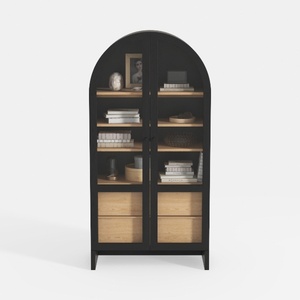
Modern Black Oak Arched Glass Display Cabinet 3D Model
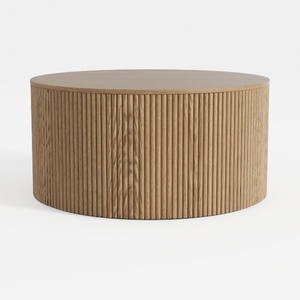
Minimalist Fluted Solid Oak Round Coffee Table 3D Model

Homestyler is your go-to online home design platform, perfect for users of all skill levels. With its user-friendly design tool, stunning 3D renderings, and a wealth of DIY video tutorials, you can easily create and visualize your dream home. Start designing today!
Design Now for FREE
































