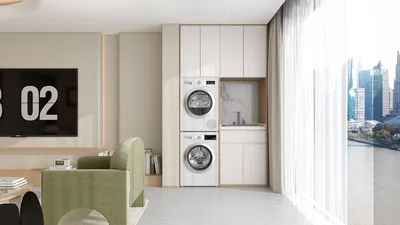


For over ten years, I have been designing efficient homes in rural settings, where limited space beautifully merges with expansive views. The success of small village residences lies in their ability to harmonize local materials, climate-conscious designs, and layouts focused on human experience, making daily life seamless. Elements such as sloped roofs, shaded lines, and genuine textures serve not only as design flair but also as indicators of comfort and durability, essential for longevity.
The comfort of smaller rural residences is fundamentally linked to aspects like lighting, sound control, and ergonomics. The WELL v2 standard highlights that adequate daylighting and glare management are pivotal for residents’ well-being, spotlighting the need for balanced lighting and quality views. According to the Illumination Engineering Society, living areas should target 300-500 lux, with specific task zones requiring even higher levels to minimize eye strain. These standards influence decisions on window dimensions, shading mechanisms, and lighting selections, ensuring tranquility regardless of seasonal changes.
Planning for rural living is shaped by local patterns, emphasizing a sheltered entryway, a cozy communal area, and convertible sleeping spaces. Steelcase’s research reveals that environments designed to lower cognitive load through clear pathways and intuitive areas enhance focus and relaxation. With a home measuring between 600 and 900 sq ft, effective sightlines and logical room connections streamline daily tasks, making storage solutions double as spatial enhancements. To facilitate the design of such layouts, utilizing a room layout tool to visualize circulation and furniture arrangements before construction can be invaluable.
Interpreting the Terrain
Optimal village homes respond thoughtfully to their natural surroundings, including terrain, prevailing winds, and sunlight trajectories. I position primary living spaces to face southeast or south for morning warmth, using wider eaves or deciduous trees to mitigate heat gain. In locations prone to strong winds, a compact design with minimal openings on the windward side helps reduce air infiltration, while cross ventilation is achieved with aligned windows and transoms. In flood-prone regions, elevating the structure on a raised base effectively shields both the building and its thermal integrity.
Light, Hue, and Visual Tranquility
Effective daylighting should feel gentle, balanced, and supplemented by task-specific lighting. Aim for 300-500 lux in living and kitchen areas, 150-300 lux for bedrooms, and over 500 lux for surfaces like kitchen prep areas and reading spots. In the evenings, warm-white bulbs (2700-3000K) encourage relaxation, while neutral-white (3500-4000K) in workspaces enhances clarity without causing discomfort. Color psychology repeatedly indicates that soft earth tones and natural textures diminish arousal and visual fatigue, leading me to prefer finishes like clay, limewash, or timber to maintain an inviting atmosphere in compact spaces.
Spacious Living in Compact Designs
Efficient movement within smaller rural dwellings can consume valuable area if not designed thoughtfully. I prefer layouts without traditional hallways, favoring interconnected rooms that share walls and daylight via interior glazing. A one-bedroom layout (approximately 650-750 sq ft) could consist of an open living/dining area with a view, a compact galley kitchen set against a service wall, a flexible room that can serve as a guest bedroom, and a covered porch as a thermal buffer. Testing different configurations with an interior layout planner can provide insights into furniture arrangements and usage scenarios prior to committing to the physical structure.
Materials in Harmony with Nature
Utilizing local materials is not just a trend; it ensures sustainability and repairability. Stone bases resist moisture; fired bricks or compressed earth blocks add thermal mass; timber rafters paired with ventilated metal or tile roofing help maintain cooler attic spaces. Lime-based plasters enhance wall permeability, facilitating drying after damp seasons. Durable flooring options can include sealed concrete, local terrazzo, or wide plank wood, all requiring minimal upkeep. Keeping finishes matte helps to reduce glare under bright village sun.
Thermal Design and Airflow
Compact homes heat rapidly. Employ deep eaves (600-900 mm, depending on the location) to shield against high summer sun while allowing winter warmth. Implement ridge vents and operable clerestory windows to promote stack ventilation. Bedrooms benefit from cross-ventilated windows across from one another at sleeping height. In chillier climates, compact insulation and continuous thermal barriers can reduce heat loss, while hot areas thrive with ventilated roof structures and nighttime cooling techniques to maintain comfort with little mechanical intervention.
Managing Sound for Peace
The dynamic soundscape of village life—chickens, rain pattering on metal roofs, and the hum of motorbikes on unpaved roads—can be intrusive. I mitigate echo through soft furnishings: woven carpets, cushioned seating, ceiling baffles, and timber slats, alongside bookshelves that enhance sound absorption. Kitchens adjoining living areas require acoustic separation; pocket doors or heavy drapes can significantly lower noise levels during meal preparation while allowing communal spaces to remain sociable.
Daily Living Ergonomics
When space is at a premium, human-scale design becomes even more crucial. Aim for a minimum of 900 mm in clear circulation spaces, at least 1200 mm around dining tables on one side, and maintain a depth of 600 mm for base cabinets with counter heights of 900 mm where suitable. Seat heights of 430-450 mm ensure comfort for varying age groups. Vertical storage solutions—tall cabinets, under-stair compartments, and benches by windows—keep floors open and foster a feeling of airiness within the home.
Welcoming Porches and Access Points
Transitional areas are characteristic of rural residences. A front porch serves both as a cool refuge and a place for social interaction; a service area connects the kitchen with the garden; and a rear terrace transforms into an evening retreat. Creating these outdoor spaces helps reduce cooling energy use, extends functional living areas, and promotes privacy. Situating the house on a slightly elevated platform safeguards against moisture ingress while adding visual solidity and enabling gentle accessibility ramps.
Water Management, Upkeep, and Sustainability
Prioritize simplicity in maintenance from the outset. Wide gutters, easy-to-access cleanout systems, and gravel barrier lines minimize moisture problems. Implementing rainwater collection is beneficial for gardens and utility areas; greywater recycling can also irrigate tree canopies when local regulations allow. Opt for window mechanisms and door latches that are user-friendly for convenient servicing and favor finishes that can be touched up without complete replacement.
Planning Your Rural Layout
During the design phase, determine the blueprint based on day-to-day activities: where morning routines unfold, where students drop their bags, and where muddy shoes should be left behind. Mark these as different micro-zones, aligning light and storage accordingly. I often use a room design visualization tool to ensure clearances, window placements, and overlaps in task lighting are accurate. Identifying potential issues this way is far more efficient than adjusting physical structures post-build.
Frequently Asked Questions
Aim for a lighting level of 300-500 lux during daylight hours, ensuring it is even across each room to prevent glare. Pairing southern or southeastern facing windows with overhangs and light-colored interiors can help diffuse brightness effectively.
Using muted earth tones, soft greens, and warm neutrals contributes to a calming atmosphere. Combine matte finishes with natural textures such as wood, limewash, or fibers to diminish glare and visual clutter.
A straightforward pitched roof with adequate overhangs and seamless gutters performs optimally. Ensure the roof design allows for ventilation and features ridge vents for managing humidity and heat accumulation.
To optimize air circulation, place operable windows on opposing walls in both the main living area and bedrooms. Align these openings to facilitate airflow, adding transoms above doors to promote movement even when the doors remain closed.
Maintain clear corridors approximately 900 mm wide and allocate 1200 mm in spaces where frequent use or wheelchair access is anticipated. Reducing dead-end hallways by incorporating circulation into the room designs enhances flow.
Soft surfaces such as rugs and curtains can aid in sound absorption. Incorporating bookshelves can also help disperse sound, while acoustic panels or timber slats on echo-prone walls assist in sound management. Using pocket doors or heavy curtains between the kitchen and living area helps maintain a tranquil environment during cooking times.
Select locally-sourced materials such as stone, bricks, or earth blocks for their repairability and ability to manage thermal energy and moisture effectively. Options like timber rafters, lime-based plasters, and sealed concrete floors promote sustainability.
Using warm-white lamps (2700-3000K) in living and sleeping areas enhances relaxation, while neutral-white lighting (3500-4000K) in kitchens and work areas increases visibility without harsh brightness. An effective blend of ambient, task, and accent lighting is crucial for avoiding glare.
Maximize your vertical storage: ceiling-high cupboards, under-stair storage systems, wall-mounted shelves, and window-seat benches with concealed compartments can help to open up floor space. Employing doors or curtains can further maintain a calm visual environment.
A layout simulation tool is beneficial for quickly assessing furniture arrangements, window placements, and clearances, ultimately minimizing on-site adjustments and ensuring the final design meets everyday living needs effectively.
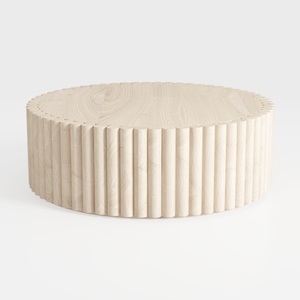
Minimalist Solid Wood Fluted Round Coffee Table 3D Model
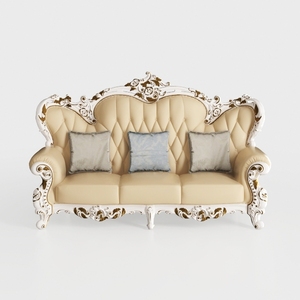
Baroque Luxury Leather Tufted Three Seat Sofa 3D Model

Modern Minimalist Fabric U Shaped Sectional Sofa 3D Model
Looking to transform your space? Homestyler offers an intuitive online design tool that makes home design easy and fun. With stunning 3D renderings, a plethora of design projects, and helpful DIY video tutorials, you’ll have everything you need to bring your vision to life!
Design Now for FREE
































