


From my experience, the most efficient Snoezelen rooms aren’t characterized by their size; rather, they are those that skillfully integrate light, sound, texture, and movement to create purposeful experiences. Even in smaller spaces, a well-thought-out sensory plan can be more effective than sheer square footage. It all begins with a clear understanding of which senses to stimulate and which to soothe, empowering users with a sense of control.
Compact environments can yield substantial results when designed according to human-centric principles. The WELL v2 standards recommend a minimum of 300 lux at the work plane for general tasks, while sensory rooms often operate best with a base level of illumination ranging from 50 to 150 lux, with peaks up to 200-300 lux for specific features, ensuring that the Unified Glare Rating (UGR) remains below 19 to avoid discomfort glare, as outlined by IES standards. Notably, Steelcase research indicates that spaces offering choice and control significantly enhance user experience and reduce stress, while adaptable environments foster cognitive ease in neurodiverse populations.
The relationship between color and psychology is significant. As summarized by Verywell Mind, shades of blue and green tend to lower physiological arousal, whereas vibrant reds can increase alertness—useful for targeted stimulation but may lead to fatigue if overused. In my practice, I prefer a base color palette featuring softer hues (L* 65–80) and limit saturated accent shades to no more than 10–15% of the visual field to maintain equilibrium.
Key Principles for Compact Snoezelen Rooms
My approach to designing small spaces relies on three foundational principles: modulation, zoning, and safety. Modulation allows users to adjust the intensity of sensory elements—light, sound, and tactile sensations—while zoning helps create distinct micro-environments, such as a serene nook, a focal feature, and a transitional area, even within 60–120 sq ft. Safety is paramount and informs every choice, including soft corners, rounded edges, anti-tip fixtures, and easy-to-sanitize materials that comply with safety codes.
Organizing the Space: Effective Micro-Zones
In confined rooms, I implement a spatial distribution of 60/30/10: 60% for calming elements, 30% for interactive features, and 10% for transition areas. The calming zone includes a low-arousal color scheme, dimmable ambient lighting, and pressure-sensitive seating. The interactive zone features one or two standout items, like a bubble column or fiber-optic display, adjustable via a dimmer or sequencer. Near the entrance, the transition zone uses softer contrasts and a clear sightline to foster a sense of safety during initial interactions.
To effectively map out these zones or check furniture arrangements, tools like an interior layout planner are invaluable for visualizing interaction zones and traffic flows. I often utilize a room layout tool to simulate equipment positioning and care provider paths: this enhances planning efficiency.
Lighting: Layered, Adjustable, and Glare-Reduced
Illuminate the space with three adjustable circuits: ambient light (indirect cove or wall-wash lighting at 50-150 lux), focal lighting for feature elements (150-300 lux), and sparkle lighting from low-nit sources like fiber optics or star ceilings. Maintain a correlated color temperature (CCT) of around 2700-3000K for relaxation and up to 4000K during alertness periods. Use high-CRI (90+) light sources to ensure color accuracy and gentle illumination. To comply with IES guidelines, keep glare levels below 19, particularly where users may sit; blackout curtains can be a great addition for daytime calming sessions.
Acoustics and Sound Environments
In smaller areas, noise can easily become overwhelming. Aim for an ambient noise level of NC 25-30 through sound absorption and isolation. This can be achieved by combining ceiling acoustic tiles (NRC 0.8+) with soft materials and wall panels located behind where users would sit. It’s also effective to incorporate two sound modes: natural ambient noise for regulation and structured rhythms for engagement, situating speakers at eye level and off-axis to minimize vibrations from surrounding surfaces.
Tactile, Proprioceptive, and Vestibular Experiences
Strive for a balance between gentle exploration and maintaining clear boundaries. Provide a variety of tactile families such as smooth (silicone), textured (thermoformed panels), plush (upholstery), cool (acrylic or resin), and warm wood touches. For proprioceptive input, consider weighted blankets or lap pads (2-10% of body weight, as recommended by clinical guidelines) and seat designs that provide compression. Simple vestibular experiences like a low-profile platform rocker or a gentle swing can be beneficial when reinforced with proper anchors and a 36-inch clear fall zone.
Color Psychology and Visual Harmony
Employ a calming color scheme that utilizes low-saturation tones to promote tranquility. Blues and greens facilitate relaxation, while warmer accent colors (like peach or coral) provide reassurance, especially near caregiver spaces. High-contrast patterns should be limited as they can contribute to visual overstimulation. Maintaining a 60/30/10 color balance in line with the zoning strategy helps ensure the room does not feel chaotic.
User Controls, Sequencing, and Autonomy
Enabling autonomy is a valuable aspect of therapy. Equip the room with a straightforward wall keypad and a handheld or tablet interface offering three or four preset modes: Calm, Explore, Focus, and Reset. Each preset combines various dimmer settings, CCT, sound selections, and feature activations. Caregiver overrides should be located by the entrance with an additional control option within reach of users when seated or reclined. Labels for each scene can be made with intuitive icons for those unable to read.
Safe, Resilient, and Easy-to-Clean Materials
Focus on rounded corners, soft edges, and tamper-resistant features. Opt for antimicrobial and bleach-cleanable fabrics (confirming manufacturers’ rub counts of 100,000+ double rubs) and moisture-resistant materials. Choose low-VOC finishes to ensure the safety of sensitive users. For flooring, consider cushioned LVT or rubber tiles for fall protection, complemented by a washable rug within the calming area. Secure tall features with anti-tip brackets and cable management solutions.
Furnishing Compact Spaces Without Clutter
Select multifunctional furniture pieces like a bench with concealed storage, a mobile sensory cart, or versatile floor cushions that double as wedges for inclined seating. Ensure a 36-inch minimum circulation area; for wheelchair-accessible spaces, plan for a 60-inch turning radius. Consider mirror placements to be optional or coverable, as some users may find reflections overstimulating.
Investment Priorities: Where Funding Counts Most
In extremely compact rooms, prioritize investment in adjustable lighting, soundproofing, and safe seating. Next, add a standout sensory element, such as a fiber-optic curtain or bubble tube, followed by portable devices like projectors or tactile panels. This phased approach ensures the room remains functional while allowing for future enhancements.
Ensuring Maintenance and Longevity
Design for ease of daily cleaning and more thorough weekly maintenance. Specify components that are IP-rated for any water features. Keep necessary spare parts—such as filters, disinfectant-safe coverings, and lamp modules—readily available. Document scene settings and create a quick-reference guide at the entrance. Small spaces function best with streamlined routines.
Evidence-Driven Design and Rationale
Two main data points inform my baseline settings: adhering to IES glare control to enhance comfort for sensitive users, and Steelcase’s insights on choice and control which validate the effectiveness of customizable environments. Coupled with evidence from color psychology regarding arousal modulation, these insights shape the 60/30/10 zoning and a calming base color palette with targeted highlights.
Checklist for Implementation
- Ensure structural support for any suspended or tall elements.
- Map a 36-inch circulation path and verify the required turning radius.
- Adjust lighting levels to 50–150 lux for ambient light and maintain UGR below 19.
- Establish four scene presets, labeling them with accessible icons.
- Achieve NC 25–30 with appropriate acoustic treatments.
- Incorporate 3-5 tactile categories alongside at least one proprioceptive aid.
- Use bleach-cleanable, low-VOC materials throughout the space.
- Train staff on daily resetting procedures and cleaning routines.
FAQs
I have achieved effective outcomes in spaces as small as 60-80 sq ft by creating three well-defined micro-zones and focusing on one essential feature. Clear pathways and tunable lighting make it highly functional.
Target a lighting level of 50-150 lux for ambient lighting while allowing adjustments for focal features up to 200-300 lux. Keep glare minimal (UGR under 19) to maintain comfort, in line with IES guidance.
Desaturated tones of blue and green aid in relaxation, while vibrant accents should be used sparingly (10-15% of the overall visual space) to keep the atmosphere serene yet engaging.
Aim for an NC rating of 25-30 by utilizing ceiling panels (NRC 0.8+), soft furnishings, and decoupled speakers. Prevent mechanical noise, as having a quiet HVAC diffuser is often more critical than anticipated.
Opt for gentle solutions such as a platform rocker or smooth swing with certified anchors and a 36-inch clear fall zone. Always consider caregiver visibility and manual stop options.
No, four presets—Calm, Explore, Focus, and Reset—sufficiently cover most users’ needs. A wall keypad can be complemented by a handheld device for user-directed control, under caregiver supervision.
Begin with tunable, glare-controlled lighting and safe, comfortable seating, then introduce a signature feature such as a fiber-optic curtain or a bubble tube for added engagement.
Utilizing an interior layout planning tool is useful for testing clearance, device placement, and sightlines. A quick digital mockup ensures features are well-sized and helps prevent clutter.
Select bleachable fabrics, moisture-resistant materials, and low-VOC flooring like rubber or cushioned LVT. Avoid sharp edges; choose rounded profiles and tamper-proof fixtures instead.
Absolutely. Spaces designed to promote choice and control significantly reduce caregiver stress as well, aligning with workplace studies that link autonomy to improved experiences.
Offer mirrors as an optional feature or ensure they are coverable. Utilize curtains or sliding panels to introduce reflections only when they provide a beneficial experience.
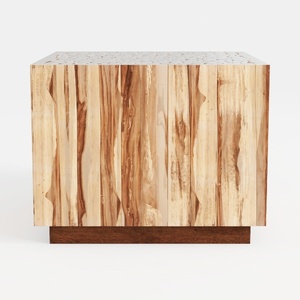

Minimalist Solid Wood Accent Cabinet with Textured Top 3D Model
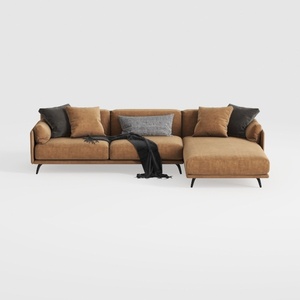
Coaster Home Furnishings - Camacho - Upholstered C
Looking to transform your living space? Try Homestyler! This user-friendly online platform offers a powerful design tool, stunning 3D renderings, and inspiring project ideas. Plus, its DIY video tutorials make home designing exciting and accessible for everyone. Dive into creativity with Homestyler today!
立即免费设计
































