

Having worked on the design of various seminar halls for universities, corporate innovation centers, and community spaces, I've found that the most successful designs strike a harmonious balance between effective communication and attendee comfort during prolonged sessions. Research by Gensler demonstrates that user satisfaction is directly correlated with how well the space is used and how acoustic elements are controlled in learning environments. Moreover, the WELL v2 framework underscores the importance of mitigating glare, ensuring proper lighting levels, and enhancing speech clarity to enrich occupant experience. Furthermore, Steelcase's findings reveal that allowing for posture adjustments and facilitating movement can significantly enhance focus and minimize fatigue, which directly impacts seating arrangements and aisle design in these spaces. Incorporating a design tool like Homestyler can further streamline this process.
When it comes to seminar halls, lighting and sound are crucial elements that cannot be overlooked. The Illuminating Engineering Society (IES) provides guidelines indicating that audience seating should maintain illuminance levels between 300–500 lux, while areas for presenters should feature higher levels—ranging from 500 to 1000 lux. Maintaining uniformity and controlling glare are key for visual comfort. The WELL v2 framework also advocates for controls that are easily accessible and incorporates strategies that support circadian rhythms; using tunable white lighting within the 3000–5000K spectrum enhances alertness during daytime events. Additionally, research shared by Verywell Mind highlights that calming colors like balanced blues and greens can alleviate stress and boost concentration throughout extended seminars.
Defining the Brief: Capacity, Use Cases, and Adjacencies
To create exceptional seminar halls, starting with a precise profile is essential. This includes determining the expected number of attendees (typically 80–250 in most educational settings), the duration of sessions, the types of presentations (whether panels, keynote speeches, or workshops), and necessary adjacencies like green rooms, translation facilities, and breakout spaces. I encourage clients to calculate the turnover time between sessions—ideally less than 10–12 minutes—and recognize hybrid requirements, as approximately 30–40% of contemporary seminars include remote participants. Such considerations heavily inform decisions about the configuration of riser heights, aisle placement, and the overall flow of the venue, all of which can be effectively organized using Homestyler for a comprehensive view.
Section Geometry and Sightlines
For optimal sightlines, staggered seating arrangements combined with a controlled rake are vital. I aim for an eye-to-eye height difference that preserves a sightline of 12–14 degrees above the row ahead, ensuring row spacing of 900–1000 mm for fixed seats. If tables are to be included for note-taking, this spacing should increase to 1050–1150 mm. Aisles should be at least 1100–1200 mm wide to facilitate accessibility and quick exits. In medium-sized rooms, a fan-shaped layout enhances sightlines while minimizing throw distances. Prior to finalizing the design, I perform multiple seating arrangements and mockups using advanced room layout tools—like those available in Homestyler—to optimize visual angles and egress routes.
Acoustic Strategy: Clarity First
Achieving speech clarity, measured by the Speech Transmission Index (STI), is pivotal for acoustic planning. Strive for a mid-frequency reverberation time (T30) of approximately 0.6–0.9 seconds for rooms accommodating 100–250 people, particularly with sound reinforcement systems in place. Critical strategies include utilizing perforated wall panels with high Noise Reduction Coefficient (NRC) ratings (≥0.75), enhancing ceiling absorption, and integrating diffusive components at the back to negate flutter echo. It's crucial that HVAC noise remains in the NC 25–30 range to prevent interference with speech clarity, necessitating meticulous duct lining and low-velocity air distribution. For venues requiring simultaneous translation, designated booths with double-glazed windows and STC 45+ partitions are essential to preserve audience auditory experience.
Lighting Layers and Control
I advocate for a comprehensive lighting strategy that encompasses three essential layers: (1) ambient lighting set at 300–400 lux, (2) task lighting for presenters at levels between 500–1000 lux for effective facial recognition, and (3) accent lighting for wayfinding and branding purposes. To diminish screen glare, indirect ambient light such as cove or ceiling-wash luminaires should be used, while wall-mounted lights behind the stage help to prevent contrasting issues with projection surfaces. Adhering to IES guidance for flicker-sensitive audiences, dimming to 10% without flickering ensures comfort during media playback. Integrating tunable white lighting, providing a warm shift around 3000–3500K for evening events, can also reduce eye strain. It's essential to ensure emergency lighting adheres to high standards of uniformity on pathways and steps.
Technology and AV Integration
Today’s seminar halls are inherently hybrid in nature. I prioritize coordinating the sightlines between front-of-house and technical control booths early in the planning process, ensuring cameras are set at eye level with unobstructed views toward the presenters. The microphone strategy typically includes a combination of gooseneck panel mics, a shock-mounted lectern mic, and two battery-operated or handheld wireless mics for interactive Q&A, alongside ceiling-mounted beamforming arrays for versatility. The choice of display technology is dictated by both throw distances and ambient light levels: a minimum viewing distance of 1.2–1.6 times the screen width is essential for legibility, and careful attention is paid to brightness and pixel pitch in LED walls to avert moiré effects on camera. To maintain safety and efficiency, strategically placed cable troughs and floor boxes simplify the space while reducing tripping hazards during rapid transitions.
Seating Ergonomics and Human Factors
The design of seating directly impacts attention and fatigue levels. Drawing on ergonomic research from companies like Herman Miller and Steelcase, I prioritize features that support micro-movements and lumbar support for comfort during sessions lasting 60–120 minutes. For fixed seating designs, I advocate for contoured backs, mild flexibility, and breathable fabrics; in multipurpose environments, I recommend nesting chairs equipped with 4-leg stability and a tablet arm, which allow for easy adaptation without compromising comfort. Standard specifications include a seat width of 500–550 mm and a height of 450–480 mm. Aisle armrests should also include cutouts for easier access. To ensure inclusivity, it’s vital to reserve spaces for companions and ensure wheelchair positions are thoughtfully integrated into the overall geometry of the room.
Color, Materials, and Visual Rhythm
The design of stage walls with low-reflectance, neutral finishes (Munsell value of approximately 3–4) is fundamental in preventing screen glare while boosting camera performance. I utilize darker flooring to stabilize the visual field, subsequently employing lighter shades for seating and wall panels to create visual hierarchy. Research in color psychology indicates that muted blues and greens for surrounding elements foster calm and concentration, while controlled accent hues can be utilized at entrance points or for branding. It's essential to select materials that effectively absorb and diffuse sound, incorporating a mix of acoustically-treated wood, PET felt, and high-quality textile panels to establish a nuanced acoustic environment. In line with sustainable practices, opting for low-VOC finishes and rapidly renewable materials is crucial; selecting durable upholstery with a minimum of 100,000 double rubs also aids in reducing maintenance needs.
Circulation, Access, and Safety
Ensuring clear entryways, ideally with acoustic lobbies, is crucial for minimizing light and noise interference. I prefer to design dual-side entrances at the rear of the hall with central egress to help distribute audience flow. To enhance safety in low-light conditions, features such as handrails on stepped aisles, integrated aisle lighting set to 1–3 lux, and high-contrast nosing strips are essential. Access ramps to the stage should adhere to a 1:12 slope, combined with 1.5 m landings for easier mobility. To expedite transitions between sessions, creating a backstage route that connects the green room, storage facilities, and stage left/right is invaluable.
Flexible Configurations and Furniture Strategies
When seminar halls need to pivot between lecture formats and interactive workshops, organizing a versatile floor plan is vital. Implementing flat or shallow rake sections paired with movable furniture facilitates transitions to cabaret or classroom styles. I recommend allocating a storage area of 0.12–0.18 m² per seat for folding tables and chairs, alongside specifying mobile lecterns and modular stages for adaptability. Using an interior layout planning tool, such as Homestyler, can aid in prototyping configurations and circulation strategies before procurement to ensure optimal flexibility.
Mechanical, Electrical, and Power Planning
Maintaining a quiet atmosphere is the most impactful yet often overlooked upgrade for sound quality. I recommend the use of variable air volume boxes paired with low turbulence diffusers, meticulously lining all essential ducts. As LED lighting reduces energy loads, it's prudent to reinvest savings into high-quality drivers and control systems. Modern audience needs necessitate power outlets positioned at seat locations or row ends for device charging, with a practical target of one outlet for every 2–3 seats. Additionally, to avoid grounding issues, it’s wise to keep AV equipment on dedicated, conditioned power circuits.
Wayfinding, Branding, and User Experience
Effective wayfinding begins beyond the entrance: featuring clear signage directing visitors from ticketing or check-in points without obstructing exits, alongside intuitive sightlines towards entryways. Inside, consistent iconography, high-contrast signage, and discreet digital displays can efficiently convey agendas. Acoustic areas in lobbies not only absorb cluttered conversations but can also serve as information boards. I view brand integration as a multi-layered strategy, incorporating stage lighting presets that align with brand colors, adaptable backdrop panels, and discreet seat row markers that remain visible in low-light scenarios without overwhelming the visual context.
Commissioning and Post-Occupancy Tuning
Even the most precise architectural drawings require fine-tuning after completion. I conduct mock lectures to evaluate STI levels, assess sightlines from various seats, and readjust lighting settings for both live audiences and broadcast needs. Facilities teams receive training that centers around scene-based control along with a straightforward reset protocol. Approximately three months post-opening, I revisit the site for a post-occupancy review—small adjustments, such as re-aiming wall washers or adding felt to seat backs, often yield significant enhancements.
Future-proofing: Scalability and Upgrades
As seminar halls are subject to changes over time, I recommend incorporating conduit pathways for future cabling, along with spare rack space and manageable digital control systems to extend the life of the space. Selecting furniture with interchangeable upholstery panels, modular acoustic components, and segmented lighting circuits can greatly simplify refresh cycles. Utilizing a digital twin of the venue’s layout and AV setups can expedite modifications and routine maintenance tasks.
FAQ
For optimal acoustic performance, aim for a mid-frequency reverberation time around 0.6–0.8 seconds, especially when using sound reinforcement systems to enhance speech clarity while preserving the ambiance of the room.
Audience seating should provide 300–400 lux, while lit areas for presenters should be set at levels between 500–1000 lux, ensuring adequate vertical lighting for facial recognition, consistent with IES standards for educational environments.
In fixed seating arrangements without tablet arms, a spacing of 900–1000 mm row-to-row is typically comfortable. For tables or tablet arms, consider a spacing of 1050–1150 mm. Additionally, aisles should be maintained at widths of 1100–1200 mm to ensure both accessibility and efficient exits.
Cameras should ideally be positioned at viewer eye height, maintaining central axes, and complemented by dual confidence monitors for presenters; display choices should be sized optimally relative to ambient light conditions, with cable management solutions that minimize trip hazards.
To encourage a calming environment, using muted shades of blue and green for perimeter walls can foster concentration and tranquillity, while utilizing neutral tones with low reflectance near projection areas can significantly reduce glare. Accent colors should be thoughtfully placed to manage visual engagement without overwhelming the space.
Aim to design for NC levels between 25–30. This can be achieved through low-velocity diffusers, lined ducts, flexible connections, and vibration isolation. Furthermore, it's advised to separate noisy mechanical spaces from the seminar area and avoid positioning VAV boxes directly above seating.
As a practical guideline, one power outlet per 2–3 seats is an effective target—additionally placing outlets in aisles and close to wall perimeters. Whenever feasible, integrate USB-C outlets and ensure dedicated power circuits for AV setups.
Indeed, flexible designs accommodating various types of events can be achieved through shallow rake formations and modular stages. Use nesting chairs alongside folding tables conveniently stored on-site, and layout simulation tools during planning processes can refine transition times and circulation paths.
Combining materials like perforated wood with acoustic backing, PET felt pads, and robust textiles (rated at a minimum of 100,000 double rubs) ensures effective sound absorption and aids in creating a pleasing indoor environment. Preference should be given to low-VOC products for optimal air quality and replaceable surface materials for sustainability.
Employing a fan-shaped layout where feasible, calculate sightlines to achieve a 12–14 degree angle above the front row while ensuring that the heads of the audience do not disrupt the primary viewing cone. Mockups and simulations are key to identifying potential issues before finalization.
Implement scene presets for various functions such as lectures, media playback, Q&A moderated discussions, and housekeeping routines. Adopting flicker-free dimming down to 10% ensures comfort; maintaining separate control systems for stage, seating, and aisle illumination, along with tunable white lighting for circadian alignment, is highly beneficial.
For multi-speaker events, the inclusion of a small green room equipped with mirrors, directed lighting, and direct access to the stage streamlines transitions and mitigates on-stage delays, offering a quiet area for preparation.
Complete calibration should be conducted at handover; subsequent checks every six to twelve months or following major equipment updates are essential for maintaining performance. Adjustments to lighting should be anticipated with changes in stage backdrops or seating arrangements.
Prioritize investments firstly in acoustic quality (focusing on absorption and diffusion), facilitating sound reinforcement that is easily intelligible, followed by glare-free lighting solutions. The quality and adaptability of furniture can be integrated at a later stage for aesthetic enhancements.

Minimalist Neutral Fabric Irregular Coffee Table 3D Model
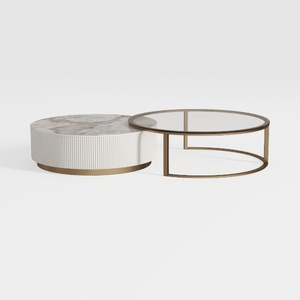

coffee table

Minimalist Black Stone Coffee Table Unique Irregular Shape 3D Model
Homestyler is your go-to online home design platform that makes creating stunning interiors easy and enjoyable. With its user-friendly design tool, impressive 3D renderings, and a wealth of DIY video tutorials, you can transform your space effortlessly, regardless of your experience level!
立即免费设计
































