

I create meeting rooms to facilitate specific interactions such as brief stand-ups, concentrated workshops, hybrid calls, and board discussions. The dimensions and proportions play a vital role in influencing visibility, acoustics, comfort, and the nuanced social dynamics within the space. Selecting the appropriate size is not merely a mathematical exercise; it involves a careful coordination of people, technology, and the environment, aligning perfectly with tools like Homestyler for design optimization.
There is a strong correlation between capacity and productivity. Research from Steelcase highlights that meeting spaces are among the highest-demand areas, with collaboration zones representing a significant portion of workplace investment as organizations shift their focus toward teamwork. When rooms are appropriately sized, usage increases, and dissatisfaction decreases. According to WELL v2 guidelines, comfortable spacing, suitable illumination, and sound management are crucial for enhancing performance and well-being during meetings. These insights emphasize that dimensions are not just mere figures; they lead to tangible outcomes.
Core Dimensions Based on Meeting Purpose
Room dimensions should cater to specific activities and equipment needs instead of adhering to a universal standard. Here are practical baselines that I commonly implement in my projects:
- Small/huddle (2–4 individuals): 9–12 m² (approximately 100–130 sq ft), featuring a table depth of 120–140 cm and at least 90 cm for movement around. Ideal for brief meetings and video conferencing.
- Focus meeting (4–6 individuals): 12–16 m² (130–170 sq ft). Tables should be 140–160 cm deep, with a minimum clearance of 100–120 cm on all sides to allow free movement and access to cables.
- Standard conference (8–10 individuals): 18–24 m² (190–260 sq ft). Maintain a perimeter clearance of 1.0–1.2 m; consider a seat pitch of 75–85 cm to prevent clashes of chairs.
- Boardroom (12–16 individuals): 28–40 m² (300–430 sq ft). For executive environments, include sideboard credenzas (50–60 cm depth), integrated audiovisual racks, and broader pathways for service.
- Workshop room (flexible 12–20 individuals): 32–50 m² (345–540 sq ft). Employ modular tables with a minimum of 120 cm aisles and ensure clear visibility for movable whiteboards and mobile displays.
When designing layouts or assessing circulation widths, utilizing a room layout tool can assist in visualizing seating arrangements, camera angles, and exit paths, including platforms like Homestyler.
Ceiling Height, Sightlines, and Visual Balance
The height of the ceiling affects both sound absorption and the perception of space. For most meeting areas, a height of 2.7–3.0 m (9–10 ft) strikes a balance between sound diffusion, lighting, and mechanical systems. In boardrooms, heights of 3.2 m add a sense of importance and accommodate pendants or acoustic baffling without obstructing sightlines. Position displays so their center is roughly 105–115 cm from the finished floor; with seated eye height around 120 cm, this ensures lower thirds remain discernible, minimizing neck strain. Adhere to a 1:1.2–1:1.6 ratio of screen size to viewing distance—if utilizing a 75" screen, aim for a seating distance of 2.3–3.0 m for optimal clarity.
Ergonomic Table and Seating Ratios
Comfort is accumulated through various elements: seat height, table thickness, legroom, and armrest space. My goal is to achieve a table height of 73–75 cm, a seat height of 45–48 cm, and at least 60 cm width per person for casual meetings or 65–70 cm for documentation and laptops. Ensure a knee clearance of 30–35 cm between the table edge and thighs to enable body movement. For extended sessions, chairs with adjustable lumbar support and tilt options have been shown to alleviate fatigue; insights from Steelcase and Herman Miller emphasize that ergonomic adaptability fosters sustained attentiveness by reducing physical strain.
Lighting Levels, Color Temperature, and Glare Management
Lighting should correspond with task requirements: whether for presentations, note-taking, or virtual meetings. I recommend aiming for 300–500 lux of lighting on work surfaces for standard meetings while allowing dimming to approximately 200 lux during screen-centric presentations. Indirect ambient lighting can minimize glare; combine warm-neutral tones of 3000–3500K for boardrooms (enhancing skin tones) with 3500–4000K for project-focused spaces to maintain alertness. Adhere to IES guidelines for even light distribution and avoid direct overhead lights above screens—utilize wall-mounted lights on display walls to enhance contrast without producing hotspots.
Acoustic Comfort and Speech Clarity
Clarity of speech is crucial for effective meetings. Aim for reverberation times (RT60) between 0.5–0.7 seconds for small to mid-sized rooms; incorporate acoustic ceilings (NRC rated 0.70–0.90), wall panels, and thick rugs for sound absorption. Bass traps or broadband panels should be utilized where long walls may generate echo. For ensuring privacy, target a minimum Sound Transmission Class (STC) rating of 45 in partition structures and properly seal door frames. The acoustic principles outlined by WELL v2 stress the importance of managing background noise around 35–45 dBA to combat cognitive fatigue; integrating soft finishes with perimeter shelves as sound diffusion solutions can be beneficial.
AV Arrangement, Camera Positioning, and Hybrid Functionality
Rooms designed primarily for video conferencing require careful consideration of the arrangement for cameras and microphones within the layout. Cameras should be affixed at eye level, 1.2–1.4 m high, avoiding angles that may distort images. Place microphones away from reflective table surfaces; ceiling-mounted arrays or distributed table mics with echo-cancellation technology work well. Position displays so that participants seated at the far end remain within a 45–60° field of view. Plan for wiring and floor boxes for organized cable management; ensure at least one available 20A circuit for larger AV setups.
Circulation, Exit Routes, and Accessibility
Design spaces to enable effortless, natural movement. Keep aisles clear with a width of 90–120 cm; a circular turning area of 120 cm is essential for wheelchair access. Ensure doors do not open into occupied seating zones and maintain at least 45 cm clearance behind each occupied chair for ease of movement. Storage areas for items like markers, remotes, and adapters should be in accessible locations to minimize disruption during meetings. For extended tables, place cable management cubbies every 1.8–2.4 m to prevent stretching across colleagues.
Materials, Finishes, and Sustainability
Material selection should balance durability, sound absorption, and aesthetic tranquility. Matte laminates or low-sheen veneers can reduce glare while fabric-wrapped acoustic panels in soft tones absorb mid-to-high frequencies effectively. Whenever possible, utilize ecologically sustainable materials, such as recycled-content acoustic tiles and FSC-certified wood. Steer clear of glossy black surfaces on walls behind screens, as these can amplify contrast and reflections. Soft neutrals, as well as subdued blues and greens, have been linked with stability and balance in behavioral psychology—use layered color accents carefully to avoid overstimulation.
Behavioral Trends and Intentional Space Design
Meeting rooms embody various rituals: the position of the presenter, the corner designated for note-taking, and the seat reserved for decision-makers. Creating slightly asymmetric configurations—such as one focal wall with two supportive surfaces—can aid quick orientation for participants. Even in predominantly digital environments, providing tangible tools, such as a whiteboard of 120–150 cm close to the head of the table, encourages active participation. In workshop settings, favoring mobile tables over static ones fosters a sense of agency and adaptability.
2024–2025 Trends Influencing Meeting Room Design
- Emphasizing hybrid-first geometries: broader seating arrangements to ensure all participants are captured on camera, increasing overall room widths by around 10–20% compared to traditional rectangular layouts.
- Integration of soft technology: furniture equipped with built-in power sources and cable management features to minimize space required behind credenzas.
- Incorporating acoustic micro-textures: materials such as PET felt, microperforated wood, and woven coverings that fine-tune reverberation times without the bulk of traditional panels.
- Introducing wellness elements: biophilic decor—including planters and textured natural materials—paired with adjustable white lighting to support circadian rhythms.
Sample Layout Considerations
For a room designed for 10 individuals (table measuring 100 x 300 cm), position the display along the short wall, placing the camera just above or below center line while ensuring a clearance of 110–120 cm around all sides. Maintaining a seat pitch of 80 cm helps to prevent clashes between armrests. Incorporate two wall panels behind the seating arrangement and one overhead acoustic feature above the table. Utilizing a room design visualization tool such as Homestyler can facilitate experimenting with various table sizes or seating configurations before final decisions are made.
Implementation Checklist
- Verify capacity and intended use (stand-up, workshop, board meetings).
- Finalize table measurements and seating arrangements based on screen size and viewing proximity.
- Confirm the layering of lighting: ambient, task, vertical; set lux levels and color temperature ranges accordingly.
- Adjust acoustic parameters to achieve RT60 targets of 0.5–0.7 s; specify NRC-rated surfaces and STC partitions.
- Plan for audiovisual routing, power needs, and camera positioning early in the design phase.
- Ensure sufficient accessibility: turning curves, clearance areas, and handle heights must comply with regulations.
- Virtually prototype the layout and conduct hybrid format tests to evaluate effectiveness.
FAQs
12–16 m² (130–170 sq ft) with clearances of 100–120 cm surrounding the table to facilitate ergonomic movement, cable accessibility, and precise camera framing.
A height of 2.7–3.0 m is appropriate for most spaces; consider adding acoustic features to achieve a RT60 target of 0.5–0.7 s to minimize echo.
Aim to achieve 300–500 lux on surface areas, ensuring quality vertical lighting on faces. Diminish brightness to around 200 lux during presentation-focused segments to lessen glare.
Optimal viewing distance should be approximately 2.3–3.0 m in line with a 1:1.2–1:1.6 ratio for screen size-to-viewing distance to maintain text clarity without causing eye strain.
A recommended table dimension is roughly 100 x 300 cm (39 x 118 in) with an 80 cm seating pitch and 110–120 cm of clearance to allow for movement and service access.
Consider solutions such as PET felt, fabric-wrapped absorbers (with an NRC of 0.70+), microperforated wood, and soft rugs for enhanced sound clarity by combining absorption and diffusion.
Utilize indirect ambient lighting, refrain from placing direct overhead lights above screens, incorporate wall washers, and select matte finishes close to the display area.
For sound isolation, specify structures achieving STC ratings around 45, employing sealed doors, perimeter caulking, and soundproof thresholds to minimize sound leakage.
Yes, lighting in the range of 3000–3500K offers a soothing ambiance and enhances skin tone rendering, while lighting between 3500–4000K is preferable for keeping attendees alert in project-focused rooms.
Widen seating arcs to ensure comprehensive camera coverage, position cameras at eye level, distribute microphones effectively, and ensure efficient cable routing along with adequate power sources.
Maintain at least a 45 cm gap behind seated individuals and 90–120 cm clearance in main pathways to ensure smooth ingress and egress.
Subtle shades of blue and green can encourage stability and balance; integrating accent colors should be done modestly to avoid distracting visual noise.
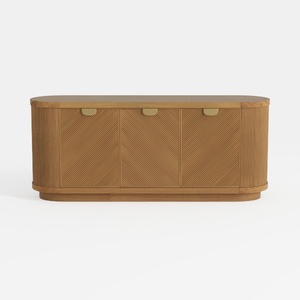
Meridian Furniture 77054Natural Everson Collection
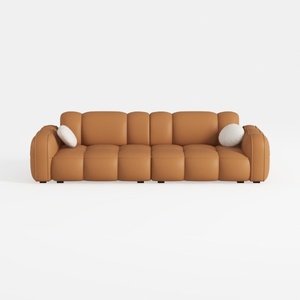

SIMPLIHOME Rex 3-Seater Modular Sofa in Full-Grain
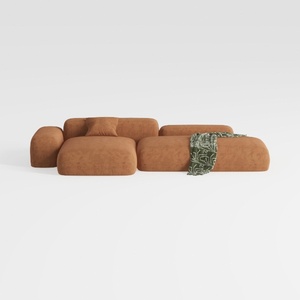
Oversized L-Shaped Sectional Sofa with Ottoman
Homestyler is your go-to online home design platform, offering an easy-to-use design tool, stunning 3D renderings, and a wealth of DIY video tutorials. Whether you're starting a project or exploring new ideas, Homestyler empowers you to create your dream space effortlessly.
تصميم الآن مجانا
































