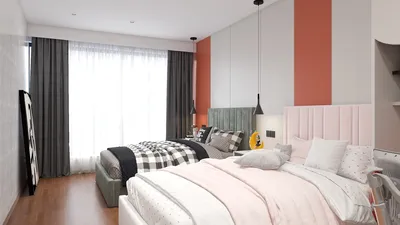


When designing Labor, Delivery, and Recovery (LDR) rooms, my main focus is to provide clinicians with what they need within reach while ensuring the comfort, dignity, and safety of the family. The most effective LDRs are intuitively navigable and emotionally supportive, transitioning to high-acuity demands swiftly when necessary. Achieving this balance requires careful consideration of spatial layout, lighting quality, acoustics, materials, and ergonomics. Utilizing tools like Homestyler can significantly enhance the room design process by allowing for visual simulations that cater to these elements.
A human-centered design approach is consistently backed by performance data. The WELL v2 framework emphasizes glare reduction, circadian lighting, and sound management as key elements that improve both patient experience and staff alertness. The Illuminating Engineering Society (IES) recommends a task illuminance of around 1000 lux for detailed procedures, with ambient lighting levels maintained between 100-300 lux to minimize eye strain. Effective layouts that incorporate a 5-step hand reach around essential stations can minimize distractions and travel time; research from Steelcase also correlates organized workflows with enhanced productivity and reduced errors, making tools like Homestyler valuable for visualizing efficient designs.
Essential Guidelines for LDR Room Planning
I organize the LDR space into three primary zones: Family, Clinical, and Transitional. The Family zone establishes the central area with the birthing bed, partner seating, discreet storage for personal items, and soft lighting to create a welcoming atmosphere. The Clinical zone consolidates pivotal equipment such as gas connections, monitoring devices, and infant warming stations within clear sightlines and accessible paths. The Transitional zone enhances movement (for nurses entering, door swings, parking for crash carts), facilitates rapid team expansion, and connects to postpartum areas without intruding on family privacy.
A quick layout simulation process is crucial when positioning the bed, nurse station, and infant warmer to validate clearances and pathways, particularly for emergencies and regulatory compliance. Tools like Homestyler can visually represent the bed-to-warmer configurations, door swing safety, and storage locations without obstructing egress routes.
Ergonomics and Accessibility
LDR rooms need to accommodate changing positions and clinical tasks such as upright labor, side-lying, or supported squats. I ensure the birthing bed is centered to allow 3-4 feet of clearance on either side for caregivers, with at least 5-6 feet at the foot-end for team access. Monitor screens should be positioned at eye level (around 48-52 inches above the floor) with tilting features to minimize glare. Anticipatory ergonomics are essential: a fold-down workspace by the headwall aids in charting; foot-operated power sources and hands-free door mechanisms reduce contamination risks. This ergonomic foresight ensures a practical working environment for clinicians, and with tools like Homestyler, these aspects can be effectively planned.
Lighting: Readiness for Procedures and Family Comfort
I categorize lighting into Ambient, Task, and Night modes. Ambient lighting provides 100-300 lux with a warm-neutral color temperature (3000-3500K) to ease anxiety while preserving circadian rhythms. Task lighting at procedure zones delivers 750-1000+ lux with high Color Rendering Index (CRI), precisely controlled beams, and dimming options to prevent retinal strain. The Night mode ensures safe navigation at 1-5 lux, utilizing low CCT (around 2700K) and glare-free pathways from the bed to the bathroom. Dimming features prioritize clinician access, allowing instant adjustments between bright conditions and calm settings. Integrating indirect cove lighting and shielded fixtures helps eliminate direct LED visibility, particularly above the bed and warming unit.
Acoustic Comfort and Privacy in LDRs
Childbirth is private and often intensely vocal; therefore, effective sound containment is imperative to maintain dignity and lower stress levels. My specifications include STC 50+ partitions in LDRs, acoustic seals on doors, and high NRC ceiling panels to absorb mid to high frequencies. Mechanical systems must deliver smooth airflow with low noise levels; I aim for NC 25–30 to keep speech intelligible without harshness. While white noise systems can be beneficial in corridors, they are less suited for inside the LDR; instead, I prefer using broadband absorption and soft furnishings in family zones to help diminish sound reflections.
Streamlined Circulation and Emergency Preparation
Staff movement should be straightforward. I align the entryway for clear visibility of the birthing bed while ensuring modesty with a privacy wall or partial screen. Locations for crash cart staging are thoughtfully placed within the Transitional zone without obstructing access to the bed. The infant warmer should be positioned to allow for a 90-degree rotation from the bed without crossing cables or gas lines. Additionally, I implement subtle color coding at thresholds to help staff and families navigate safely, reducing fatigue-related incidents.
Understanding Color Psychology
Color influences stress levels and emotional responses significantly. I favor muted, nature-inspired color schemes—such as sage green, warm sand, and gentle slates—while using high-contrast accents solely for safety-critical elements. The objective is to create a sense of warm familiarity rather than a clinical atmosphere. Research from Verywell Mind regarding color psychology shows that blues and greens contribute to calmness and reduced tension, while excessive saturation can heighten excitement; hence, I restrict the use of lively colors to art or signage rather than large wall spaces that require prolonged exposure.
Hygiene, Material Selection, and Tactility
Every surface in an LDR must be easy to clean while promoting infection control and comfort. I choose seamless resilient flooring with heat-welded seams, rounded wall bases, and antimicrobial wall finishes that are not overly glossy to help minimize glare. Millwork edges should be designed for easy cleaning; handles and pulls must be large enough to grip with gloves. Upholstered seating for family members utilizes high-performance, coated textiles with moisture barriers, combined with soft-knit throws that are easily laundered to maintain both warmth and comfort.
Considering Human Factors for Family, Staff, and Equipment
Families require warmth, privacy, and clear guidance throughout the LDR experience. I provide a supportive partner chair equipped with personal lighting and device charging capabilities; the design allows for staff reassurance without obstructing movement. Staff members benefit from unobstructed access zones and clear information displays: digital boards placed out of the family's primary view help alleviate anxiety. Visibility of equipment is minimized—concealed gas outlets and recessed areas for cords help maintain a neat appearance—while the infant warmer is positioned to be accessible but not intimidatingly close to the birthing bed.
Behavioral Patterns and Spatial Design Intentions
Most activities in LDR rooms follow phases of anticipation, active labor, and recovery. Therefore, the space's design should support each phase effectively: movable task lights, adaptable seating for support persons, and logical storage solutions can all prevent unnecessary searching. I strive for a visual environment free of clutter; storage is distributed across compact, labeled bays so staff can swiftly retrieve needed items without rummaging through larger cabinets. During recovery, the use of soft music controls, personal temperature regulation, and views of nature—whether through windows or biophilic artwork—can help reduce stress and stabilize vital signs.
Integrating WELL Standards into Clinical Design
Utilizing features from WELL v2, focused on Light, Thermal Comfort, and Materials, allows for a seamless transition of wellness principles into the functionality of LDR spaces. Managing glare, flicker-free lighting systems, localized temperature controls, and low-VOC specifications all contribute to patient wellness and staff endurance. These elements are not merely supplementary; they play a crucial role in ensuring clinical safety by enhancing focus, communication, and reducing errors.
Future-Proofing LDR Designs: Flexibility and Tech Integration
LDR environments must remain adaptable. I plan ceiling structures with additional capacity to accommodate future technological needs, incorporate modular headwalls, and designate universal mounting rails for accessories. Power and data ports are strategically placed along both caregiver sides, avoiding the need for extension cords. Wireless monitoring technologies can decrease cable clutter; however, wired backups must be accessible at consistent heights. I also consider integrating tele-support stations for remote consultations, positioning them discreetly out of the family’s sightlines.
Design Logic and Cleanliness
Though often overlooked, storage is crucial. I categorize storage for clean supplies, soiled items, and emergency kits distinctly. Shallow drawers placed at easy reach minimize the need for extensive searching. Hands-free waste and sharps disposal receptacles should be positioned near staff areas without infringing on the family zone. Cleaning certifications influence the choice of surface materials: matte finishes can conceal smudges but must withstand hospital-grade cleaning agents without deteriorating.
Controlling Lighting and Supporting Circadian Rhythms
I combine tunable white lighting fixtures with preset scenarios: Calm, Active Labor, Procedure, and Night Walk. Scene recall should be one-touch and ready for immediate override. I set color temperatures at 3000-3500K for Calm, 3500-4000K for Active Labor, and highly concentrated task lighting at 4000-4500K for detailed tasks—maintaining balance with glare shields. Providing circadian support becomes most vital during extended stays; a gradual morning brightening and soft evening dimming can help stabilize patients’ sleep-wake cycles.
Clear Signage and Wayfinding for Safety
Effective information delivery is crucial: clear, legible signage utilizes high-contrast, sans-serif fonts, avoiding clutter. Emergency buttons and call lights should have standard placement with mild color accents; comfort controls must remain intuitive (dimmer sliders and icons for scene selection). The transition from corridor to LDR should be designed to ease anxiety, incorporating soft lighting, acoustic moderation, and evident destination cues.
Room Measurements and Clearance Specifications
I recommend a minimum width of 14-16 feet in LDRs to facilitate care from both sides, with sufficient length to accommodate the bed, staging for staff, and the pivot for infant warmers (typically aiming for 18-22 feet in total). Bathroom access should be straightforward, ensuring staff do not need to navigate through cords; standard practice calls for door swings and clear passages of at least 36 inches. While measurements can vary by local regulations, the principle remains consistent: urgent pathways should never become compromised.
Staff Training and Transitioning After Commissioning
The design process does not end at handover. I guide the team through scene controls, storage organization, and emergency configurations—adjustments often lead to significant time savings in crucial moments. Minor modifications (such as relabeling drawers or relocating dimmers) can streamline operations considerably. Post-occupancy feedback further refines layout efficiency and uncovers previously unconsidered patterns of behavior.
Frequently Asked Questions
Ambient lighting should be maintained at 100-300 lux for comfort, with task lighting at 750-1000+ lux for detailed procedures, and night paths illuminated at just 1-5 lux. The warm-neutral ambient light should be situated between 3000-3500K, complemented by glare-controlled task lights for immediate adjustment.
Positioned within a 90-degree pivot from the bed and clear of any cables and gas lines, situated in the Clinical zone but maintaining a peaceful visual for families. Ensuring direct access pathways for both teams is essential.
Aiming for STC 50+ for partitions, implementing acoustic seals at the doors, utilizing NRC 0.7+ ceiling tiles, and designing mechanical systems to maintain an NC of 25-30 allows for effective sound management while ensuring clinical communication remains clear.
I prefer color palettes with muted greens, soft blues, and warm neutrals and recommend reserving saturated colors for smaller accents or direction signage. Keeping vibrant tones off large wall areas prevents overstimulation during prolonged exposure.
Selecting seamless resilient flooring, rounded base designs, durable matte finishes along walls, and high-performance textiles with moisture barriers guarantees comfort while ensuring high cleanliness standards. Soft, tactile elements are also vital and should be easy to launder regularly.
A recommended clearance of 3-4 feet should be maintained on both caregiver sides, plus 5-6 feet at the foot-end to facilitate prepping teams and ensuring unobstructed access to the infant warmer and entry during emergencies.
Lighting controls are crucial for maintaining circadian support and simplifying scene control. The presets for Calm, Active Labor, Procedure, and Night assist in reducing cognitive load for staff during critical operations.
Using layout simulations is beneficial for validating door swings, bed-to-warmer positioning, crash cart arrangements, and storage accessibility. Quick visualizations help in reducing unnecessary change orders and identifying potential conflicts at earlier stages.
Integrating privacy screens, adjustable ambient lighting, partner seating with adequate support, intuitive operational controls, and reduced equipment visibility aids in creating a tranquil environment that mitigates anxiety for families.
Planning for extra ceiling capacity, implementing modular headwalls, and creating universal accessory rails, while systematically distributing power/data locations helps manage technology needs. Prioritizing visible wired backups remains critical even with the increasing reliance on wireless systems.

Minimalist Tan Leather L-Shaped Sectional Sofa 3D Model


Coaster Home Furnishings - Camacho - Upholstered C
Looking to transform your home with ease? Homestyler is the ultimate online design platform, offering an intuitive design tool and stunning 3D renderings. Explore diverse design projects and enhance your skills with helpful DIY video tutorials. Bring your creative vision to life effortlessly!
立即免费设计
































