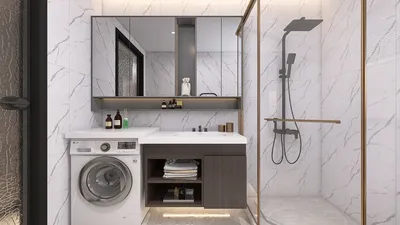


In designing isolation rooms, I focus equally on infection control, staff workflow, and maintaining patient dignity. The task may seem straightforward—preventing the spread of pathogens—but achieving real success requires understanding how air pressure systems, ventilation, lighting, ergonomics, and behavioral aspects operate throughout the care process. In recent projects, we prioritized air management and circulation patterns to dictate the layout, with finishes, acoustics, and visibility tailored accordingly. By utilizing a tool like Homestyler, we can visualize and adjust these elements effectively during the planning stage.
Air performance must be quantifiable rather than just theoretical. For new constructions, isolation rooms typically aim for at least 12 air changes per hour (ACH) and ensure airflow moves from cleaner areas to those that are less clean, as aligned with U.S. hospital standards and IES/healthcare engineering recommendations regarding air quality. The WELL Building Standard (WELL v2) emphasizes essential aspects like filtration, particle control, and easy-to-clean finishes to mitigate infection risks. Its AIR concept provides documented thresholds and strategies that are beneficial for healthcare environments, complementing clinical standards and integrating tools such as Homestyler to enhance planning accuracy.
Designing the Isolation Suite: Zoning, Adjacencies, and Flow
I begin by outlining the flow from clean to soiled areas for both personnel and materials. An effective isolation suite generally involves: an ante room for donning and doffing Personal Protective Equipment (PPE), the patient room which includes an ensuite, a separate equipment bay, and a designated dirty utility route that maintains separation from the clean circulation paths. Providing access to the bed from both sides, creating open transfer spaces, and ensuring a headwall set up with distinct medical gas systems helps to minimize unwanted movement around the patient area. For multi-room setups, it is essential for staff to have a designated observation corridor with windows that feature integral blinds to uphold patient privacy.
During the early design phase and mock-ups, employing a layout simulation tool allows teams to assess circulation and equipment movement under variations in pressure control and door mechanisms. Utilizing an interior layout planner, such as that offered by Homestyler, enables the team to refine staff sequences and necessary clearances before finalizing utility placements.
Pressure, Ventilation, and Filtration
Airborne infection isolation rooms (AIIR) depend on confirmed negative pressure (usually set at −2.5 Pa or as dictated by local regulations) with an ante room to mitigate pressure loss. My specifications include:
Commissioning involves smoke testing at doorways, monitoring pressure trends, and assessing door functionality to ensure operational stability during team movements.
Ante Room and Doffing Guidelines
The ante room serves as an operational space rather than merely a hallway. I designate a minimum clear area of 2–3 m² for safe gowning and doffing, incorporating a bench that separates the clean and contaminated sides. Features like hands-free sinks, no-touch waste lids, and storage for gloves/respirators enhance the safety and efficiency of PPE removal. The negative pressure needs to be maintained from the patient room through to the ante room and into the corridor, with the ante room kept at a slight negative pressure to aid in airflow management.
Ergonomics and Human Factors
Within the scope of PPE use, heat stress and impaired dexterity pose significant challenges. I ensure that frequently utilized items are within a 400–600 mm reach range, position monitors at a height of 1,100–1,200 mm for standing personnel, and set task surfaces at 900 mm for efficient documentation. Maintaining a clear floor space of 1,500 mm around the bed allows for seamless maneuvering of equipment without needing to backtrack. Employing clear labeling and color differentiation helps to reduce cognitive load, while standardized headwall layouts across rooms aids staff in developing muscle memory.
Illumination: Visual Comfort and Clinical Accuracy
Lighting design must strike a balance between clinical clarity and support for circadian rhythms. I recommend setting ambient lighting levels in patient zones around 300–500 lux, while the examination area should offer 1,000–1,500 lux at the bedside. The correlated color temperature should fall between 3,500–4,000 K for ambient light (warm neutral tones to alleviate patient tension) and 4,000–5,000 K for examination light. Controlling glare (UGR ≤ 19) protects staff from visual fatigue during extended procedures. Implementing low-level amber lighting at night can also help maintain circadian rhythms for both patients and staff. Adhering to IES recommendations ensures that contrast and color rendering (CRI ≥ 90) are suitable for skin inspections.
Acoustic Comfort and Effective Observation
Isolation does not imply lack of care. My design strategy incorporates high-STC partitions (STC 50+ whenever possible), acoustic gaskets around doors, and soft-finish ceiling materials (NRC 0.7+) outside the immediate contamination zones to manage noise levels. Vision panels integrated with internal blinds enable passive monitoring while minimizing staff exposure. The addition of distributed intercoms and dome cameras—where permitted—can decrease the frequency of door openings, thus preserving patient confidentiality.
Material Choices and Infection Control
I specify materials that are non-porous, seamless, and easy to clean: homogeneous sheet vinyl flooring with heat-welded seams, coved bases, and sealed transitions. Wall protection extending up to 1,200 mm helps prevent damage caused by beds and medical equipment. It’s crucial to avoid complex textures and gaps that can harbor pathogens. Casework should use chemical-resistant materials with seamless edges. Selecting healthcare-grade sealants compatible with on-site disinfectants is also essential.
Behavioral Patterns and Routine Safety
Healthcare teams tend to fall into repetitive patterns when the environment prompts them effectively. Applying visual cues on floors, such as subtle tonal differences instead of stark stripes, can guide clean versus contaminated traffic. Place waste disposal and sharps containers on the contaminated side of the ante room, while ensuring hand sanitizers and clean supplies are easily accessible from the clean side. Inside the room, arranging pumps and IV poles on the staff side nearest the door minimizes unnecessary movements and potential exposure.
Adaptable Rooms and Surge Preparedness
Recent experiences have highlighted the importance of planning for surge scenarios. I design med-surg rooms that can readily convert to AIIRs by incorporating additional exhaust solutions and airtight doors, with pre-designed routes for rooftop exhaust or HEPA filtration systems. Utility corridors are designed to accommodate temporary ducting for such adaptations, and uniformity in headwall and boom configurations across various departments facilitates staff adjustment during redeployments.
Orientation and Color Psychology
Color significantly influences behavior. Soft, muted tones in patient areas help lower anxiety, while vibrant accents in staff zones promote alertness. Implementing color coding for clean versus waste supplies can enhance compliance. Drawing on the principles of color psychology aids in achieving a balance between reducing stress and maintaining focus on critical tasks.
Storage, Equipment, and Maintenance Access
Creating built-in alcoves for essential equipment—such as pumps, portable ventilators, and crash carts—helps keep corridors unobstructed. Within the ante and corridor spaces, using closed cabinetry keeps clean materials safe from potential contamination. Providing access panels for external services related to vacuum pumps and medical gas valves minimizes the need for personnel to enter the room during maintenance tasks.
Integration of Technology
Automated door operators with delayed closing mechanisms help maintain pressure without increasing touchpoints. By integrating bedside technology such as EMR access, streaming vital signs, and telehealth capabilities, we can reduce the need for staff to enter patient rooms. Employing real-time pressure monitoring with local and centralized alarms supports both facility teams and clinical staff effectively.
Commissioning, Testing, and Staff Training
Before any isolation room is occupied, it must undergo pressure decay testing, airflow visualization, and verification of air change rates. I guide teams through mock doffing exercises, confirm sightlines, and adjust storage areas after analyzing actual workflows. Conducting post-occupancy evaluations within 60–90 days is critical to identify behavior drift and enabling necessary minor adaptations for improved safety.
Room Layout and Aesthetic Balance
Room proportions are crucial for functionality and tranquility. A width of 3.4–3.6 m allows for dual-side care and equipment placement, while a length of 5.5–6.5 m accommodates ensuite facilities and headwall services without constricting movement. It’s important to maintain a rhythmic organization: a clean entry sequence, a core clinical area at the bed, and recovery or companion zones by windows when permitted by regulations.
Frequently Asked Questions
New AIIRs generally aim for a minimum of 12 ACH, maintaining verified negative pressure and ensuring airflow direction from cleaner to less clean zones. Existing facilities will have different minimum standards based on local building codes; consistent pressure monitoring is critical.
While some codes allow direct-entry AIIRs, having an ante room greatly enhances pressure consistency and creates safer zones for donning and doffing PPE to reduce contamination risks.
Position supply diffusers towards staff areas and exhaust units near the patient's head or behind the bed to effectively draw contaminants away from caregivers, thus supporting the intended airflow direction between clean and contaminated zones.
Ensure ambient lighting of 300–500 lux in patient areas, with examination lighting of 1,000–1,500 lux at the bedside. Aim for a color rendering index (CRI) of ≥ 90 and glare control of UGR ≤ 19 at task areas.
Utilize seamless, non-porous materials: heat-welded vinyl flooring with coved bases, smooth wall finishes, and casework with sealed edges. Steer clear of open joints and intricate textures that can harbor pathogens.
Install observation windows with integral blinds, along with intercom systems, telemedicine options, and integrated monitoring systems, allowing staff to assess and communicate without compromising pressure stability.
Maintain ample clearance around beds, establish common reach ranges (400–600 mm), position displays at eye level for ergonomic use, and standardize headwall layouts to alleviate cognitive burdens.
Yes, with proper infrastructure planned in advance: airtight doors, dedicated exhaust pathways leading to HEPA filters or rooftop discharge, and adequate fan capabilities designed into the system. Utility corridors should be planned to accommodate temporary ducting when needed.
Adopt soft, low-saturation colors for patient zones to enhance comfort, while integrating high-contrast accents in staff areas to bolster alertness and navigation without causing overstimulation.
Aim for STC 50+ partitions wherever practical, acoustic gaskets on doors, and NRC 0.7+ ceiling materials beyond contamination-critical areas to minimize noise reverberation and enhance speech clarity.
Implement thorough verification processes involving continuous monitoring, ACH testing, smoke visualization at entrances, and operational assessments of both doors and the ante room's correct functionality.
Utilize closed cabinetry in the ante room and corridors for clean items, strategically placing hazardous waste and sharps on the contaminated side. Incorporate equipment alcoves to keep pathways accessible.
Homestyler is your go-to online home design platform! With its user-friendly design tool, stunning 3D renderings, diverse design projects, and comprehensive video tutorials, you can effortlessly create and visualize your dream spaces. Transform your home ideas into reality with Homestyler!
立即免费设计
































