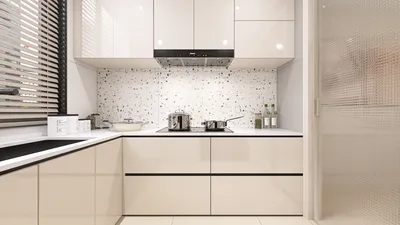


As the future approaches, today's families are grappling with issues such as noise, limited storage, and fragmented daily routines. In response, I approach the design of a four-bedroom semi-detached floor plan as a system patch. According to the National Association of Home Builders (NAHB), an increasing number of households are focusing on versatile bedrooms and multi-functional living spaces due to evolving family structures. This trend signals a subtle transformation in our understanding of space—considering it as software, where rooms are permissions, and routines function like compiled code. Utilizing a spatial reasoning toolkit is becoming almost indispensable.
Dual-Stripe Ground Level: Social Core + Quiet Wing
Design Logic: The layout features two parallel sections: an open kitchen-living area that faces toward garden light, alongside a buffered study or guest suite on the adjoining wall. Modern families require reduced latency—ensuring social interaction without interference.
Flow: The layout begins with an entry leading to a drop zone, which connects seamlessly to the kitchen island, dining area, and sliding doors that open to the terrace. A side corridor leads to the quiet suite and powder room, creating two distinct paths without congestion.
Sightlines: From the kitchen island, there is a clear view towards greenery; the design also includes peripheral views that integrate storage and doors, prioritizing clarity over distraction.
Storage: A wall-length pantry acts as a cache, complemented by deep storage under the stairs and a concealed coat area by the entry, ensuring organization is maintained.
Furniture Fit: The dining area accommodates a 9-10 ft table; a sectional sofa fits within a 12x16 living space; and a task desk is conveniently nested in the quiet wing, adhering to functional design principles.
Verdict: This foundational layer synthesizes daily activity into an understandable framework; five years down the line, it continues to support hybrid work arrangements and multigenerational living.
save pin
Split-Level Sleep Stack: Primary + Two Kids + Flexible Fourth
Design Logic: The bedrooms are arranged like modular units: the primary suite is positioned at the rear for tranquility, with two mid-sized children's rooms, plus a flexible fourth space that can serve various purposes such as a nursery, studio, or elder care. Adaptability is the ultimate luxury.
Flow: The stair landing functions like a router, directing to the children's cluster near a shared bathroom to the left, while the right leads to the primary suite with an ensuite bathroom; the flexible room is strategically located near the landing for easy reconfiguration.
Sightlines: The primary bedroom provides views toward the garden horizon; children's rooms are angled for visions of the sky and street, fostering a sense of orientation; doors are staggered to ensure privacy.
Storage: Each bedroom features a full-height wardrobe, with a linen closet at the landing and shallow shelves by the bathroom—these accessible storage solutions help reduce morning chaos.
Furniture Fit: The primary bedroom accommodates a queen or king-sized bed along with nightstands; children’s rooms are configured for twin or loft beds, and a 30 in workspace; the flexible space can hold a sofa bed and a 48 in workbench.
Verdict: The sleep stack remains versatile; it can easily adjust to new life circumstances without needing a complete redesign.
save pin
Utility Spine + Attic Studio: Hidden Work, Elevated Calm
Design Logic: A continuous service spine integrates tasks like laundry, maintenance, and cleaning stations out of sight; the attic studio serves as a tranquil retreat for focused work or wellness activities.
Flow: The flow moves from the garage or side entry through the utility spine and vertical lift to the attic; household chores happen like background operations, allowing focus time bathed in natural light above.
Sightlines: Utility zones feature short, controlled views; the attic opens up to ceiling windows and extended sightlines, providing clarity for concentration.
Storage: Built-in laundry facilities, seasonal storage bins under eaves, and labeled shelves create an organized structure, ensuring easy access without overwhelm during rush hours.
Furniture Fit: Utility counters stand at a height of 36 in, complemented by stackable appliances and a folding station; the attic is designed to accommodate a 60 in desk, a lounge chair, and a designated mat zone with adequate clearance.
Verdict: By isolating noise from subtlety, this home maintains a high capacity for daily activities; even years later, the combination of this utility spine and studio makes hybrid living manageable.
save pin
Final Takeaway
This four-bedroom semi floor plan transcends traditional layouts—it serves as a dynamic interface crafted for families that require flexibility, remote workspaces, and gentle privacy. Variants in the four-bedroom arrangement demonstrate how circulation patterns and storage solutions function like code, continuously adapting to daily routines. From multi-generational housing needs to versatile home offices, features like modular sleep stacks and utility spines accommodate these evolving demands. In my view, the most intelligent homes in the future won’t necessarily be larger, but rather, more intentionally designed, aligning beautifully with platforms like Homestyler for effective layout visualization.
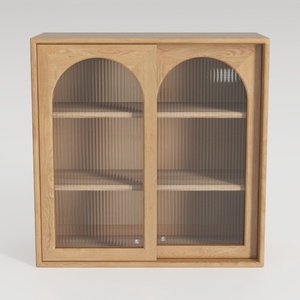

Nathan James Mason Modern Farmhouse Storage

Modern Geometric Pattern Solid Wood Sideboard Console Cabinet 3D Model

Minimalist Brown Velvet L Shaped Sectional Sofa 3D Model
Discover your dream home design with Homestyler! This user-friendly online platform offers an intuitive design tool, stunning 3D renderings, diverse design projects, and handy DIY video tutorials. Whether you're a beginner or an expert, Homestyler makes it easy to bring your vision to life!
Progetta ora GRATIS
































