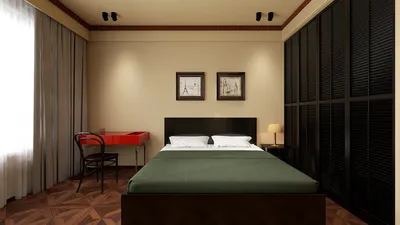


In my experience, a client once envisioned a dining space so dim, it mirrored a speakeasy. I painted one wall in a bold black, which they adored, but soon we discovered that the table appeared to float in an abyss. This close call taught me that while small, dark rooms may incite trepidation, they can also ignite tremendous creativity. To truly grasp the layout prior to painting, utilizing visualization tools like Homestyler can be quite beneficial.
1. Rich Monochrome with Layered Textures
Immerse yourself in a deep, singular hue for your walls, then soften the ambiance with a variety of textures: plush velvet chairs, a sisal area rug, or a matte plaster finish. This creates a sense of cohesion, as everything feels deliberate. However, to prevent a flat appearance, I recommend incorporating at least two contrasting textures to keep the space vibrant.
save pin
2. Vibrant Jewel-Toned Accents on a Dark Base
With dark walls, colors have a way of standing out brilliantly. An emerald napkin or a ruby centerpiece can resemble fine jewelry atop a black stage. This approach allows for affordable seasonal updates, though it’s wise to swap smaller items rather than commit to more expensive upholstery due to the quicker aging of bold textiles.
save pin
3. Striking Trim and Ceiling Techniques
By painting the ceiling in a lighter shade or the trim in a crisp off-white, you can introduce architectural intrigue while maintaining the dramatic effect. I often sketch this concept first, allowing clients to envision the outcome — and here, utilizing tools like Homestyler can help ensure precise furniture scaling and sightline confirmation. Remember, contrasting elements can alter perceptions of proportions, so precise measurements are critical before making any final decisions.
save pin
4. Reflective Surfaces and Intelligent Lighting
Incorporating mirrors, glossy pendant lighting, and a thoughtful lighting arrangement can combat the darkness, giving depth. A dimmable central pendant combined with wall sconces and picture lights allows for versatility; this enables intimate dinners or bright gatherings. While lighting can be a significant investment, even simple swaps to warmer bulbs can profoundly change the atmosphere.
save pin
5. Cozy Minimalism for Small Dark Dining Spaces
In compact areas, opting for minimalism proves advantageous: a round table, tailored banquette seating, and a single standout lamp can create an elegant and snug enclave. Keeping visual clutter at bay is essential; prioritize scale and storage solutions—think hidden drawers or sleek credenzas—to keep necessary items from disrupting the room’s serenity. When clients wish to preview textures and finishes, I find photorealistic renders invaluable to eliminate surprises on installation day, aided by tools like Homestyler.
save pin
Tip 1:
To maximize your budget, focus on paint and textiles; these offer dramatic transformations for minimal cost. For a more upscale feel, consider investing in one standout piece, such as a high-quality lighting fixture or a luxurious rug, while complementing with affordable touches. Additionally, be sure to test your paint choices in various lighting conditions — the color can appear vastly different from dawn to dusk.
save pin
FAQ
Q1: Are dark dining rooms suitable for smaller spaces?
Absolutely — darker hues can lend a sense of intimacy and sophistication to diminutive dining areas. The key lies in layering textures and lighting to create an inviting atmosphere rather than a restrictive one.
Q2: What type of paint finish is ideal for a dark dining room?
I typically favor matte or low-sheen finishes for the walls to conceal imperfections, while a satin or semi-gloss is excellent for trim where light reflection is desired. Excessive gloss can seem outdated, yet well-placed gloss adds valuable contrast.
Q3: How should I approach lighting in a dark dining area?
Employ a layered approach to lighting: use a dimmable central pendant for overall ambiance, wall sconces for even illumination, and directed accent lighting for pieces of art or sideboards. Dimmer switches are pivotal for adjusting the mood, making it appropriate for both casual meals and lavish dinners.
Q4: What flooring complements dark walls effectively?
Warm wood tones provide a lovely contrast to cooler dark walls, adding an element of coziness. Should you prefer a modern feel, light stone or polished concrete can create a stunning effect, although it might feel colder underfoot.
Q5: Can patterns be incorporated into a dark dining room design?
Certainly — subtle patterns in upholstery or wall coverings can introduce depth without overwhelming the space. I recommend that pattern scale be proportional to the room size; larger prints can dominate smaller areas.
Q6: How do I keep a dark dining room from feeling dreary?
Incorporate reflective elements, a multi-layered lighting scheme, and at least one lighter feature such as artwork or a rug to offset the darkness. Natural woods and metallic finishes can elevate the mood effectively.
Q7: Are there specific guidelines for dining room light levels?
The Illuminating Engineering Society (IES) has outlined recommended illuminance levels for various settings; refer to ies.org for in-depth, authoritative standards regarding lux or foot-candle requirements for dining spaces.
Q8: Do dark dining rooms impact home resale value?
Style-specific choices can sometimes be divisive, but a well-designed dark dining room, executed thoughtfully and well-lit, often conveys a sophisticated vibe. If resale value is a concern, maintain neutrality in major surfaces while utilizing easily changeable textiles and finishes to embrace a darker aesthetic without permanent commitment.
save pin
Transform your home design dreams into reality with Homestyler! This user-friendly platform offers a powerful online design tool, stunning 3D renderings, and a wealth of DIY video tutorials. Whether you're a novice or an expert, Homestyler makes interior design enjoyable and accessible for everyone!
Design Now for FREE
































