


The future continues to integrate more tightly into our living spaces, as contemporary Indian homes grapple with challenges such as multigenerational density, high temperatures, and unpredictable lifestyles. Organizations like AIA and NAHB have observed an increased demand for adaptable rooms and varying degrees of privacy as families evolve; this duality is also reflected in my spatial design toolkit. Therefore, when I draft plans for a four-bedroom, two-story house in India, I am essentially mapping out areas for caregiving, remote work, and cultural practices—all defined by walls and boundaries.
Garden Spine with Courtyard Core
Design Rationale: A central courtyard serves as both a thermal and social hub—bringing together light, cross-ventilation, and communal activities, which align perfectly with the hotter summer months and a hybrid work environment.
Flow: Entry leads to a vestibule, which directs into a courtyard that functions as a router for the flow into the living/dining areas, kitchen, and ground-floor suite; stairs facilitating quiet access to the upper floors.
Sightlines: The layout is layered from the entrance gate to the green void of the courtyard and dining area; diagonal lines allow elders to keep an eye on children while maintaining cherished private spaces.
Storage: Features include deep under-stair caches, tall pantries bordering the courtyard, and drawers built into bed platforms; clutter management mimics controlled network latency, keeping areas tidy.
Furniture Integration: Dining clearances measure 900–1000 mm, stairs have a width of 1200 mm, and the modular pooja niche is 900 mm; all aspects are designed for accommodating both festive gatherings and everyday minimalism.
Conclusion: Five years later, the design continues to ensure the home remains breathable, making rituals effortless—a resilient core for ever-evolving schedules.
save pin
Split-Level Privacy Gradient
Design Rationale: Half-level offsets create acoustic barriers essential for multigenerational living; children's rooms are situated above while elder suites remain on the ground floor—ideal for varying care needs.
Flow: Starting from the foyer to the living space at ground level, moving to the kitchen/dining at an intermediate level, followed by the elder suite, and stairs that lead up to a family lounge, two children's rooms, and the primary suite.
Sightlines: The progression through the house offers a stepwise reveal—no singular view dominates; information and spatial experiences unfold gradually, akin to a user interface onboarding process.
Storage: The design incorporates platform landings that serve as trunk caches, toe-kick drawers, and niches behind headboards; everything is organized to minimize retrieval effort.
Furniture Integration: Modular wardrobes measuring 3x2.1 m, study areas ranging from 1.8 to 2.1 m with embedded cable management, and adaptable lounge spaces enhance functionality; each area is fitted with appropriate ports for devices and leisure activities.
Conclusion: This layout effectively absorbs the natural sounds of daily life; as children mature and parents grow older, the home adapts much like software permissions do.
save pin
Verandah Shield with Rear Service Street
Design Rationale: An expansive front verandah helps to mitigate heat and manage guest flow; a rear utility lane separates work-from-home activities from kitchen duties and deliveries—offering a microcosm of future urban living.
Flow: The sequence starts from the porch/verandah, leading to the living space, dining area, and kitchen equipped with a rear service door, followed by a stairway that accesses bedrooms above; the guest suite is conveniently located near the entry point.
Sightlines: The design softly transitions from the street to the shaded porch and into the living area; privacy levels are strategically increased while still maintaining visual connections with neighbors.
Storage: Incorporating a bench-chest in the verandah, utility walls for recycling and wet work, and a linen tower by the stairs; all storage solutions are mapped to day-to-day usage patterns.
Furniture Integration: Ceiling fans strategically located in 3.3–3.6 m bays, sectional designs at 2.7x1.8 m, and swing seats on the verandah designed for 900 mm arcs; thoughtful decisions prioritize climate considerations.
Conclusion: As home deliveries and remote work calls increase, the front area remains ceremonial while the back operates as a service corridor—creating a clean division that encourages a calmer lifestyle.
save pin
Final Insights
Four-bedroom, two-floor designs in India have evolved beyond mere stacked rooms; they are now frameworks that address environmental conditions, caregiving, and work-life integration—all seamlessly woven into a duplex structure. Well-planned four-bedroom, two-floor house layouts in India, featuring designs like courtyards and service streets, are poised to support daily rituals without expanding their footprint. From my observations, the most enduring homes treat circulation as code, storage as a cache, and furniture as APIs—gradually enhancing the living experience iteration after iteration, while tools like Homestyler can help visualize these spatial concepts effectively.
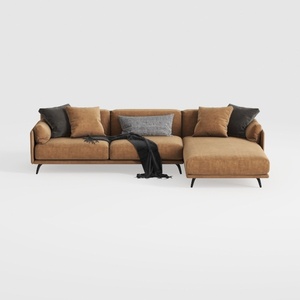

Coaster Home Furnishings - Camacho - Upholstered C
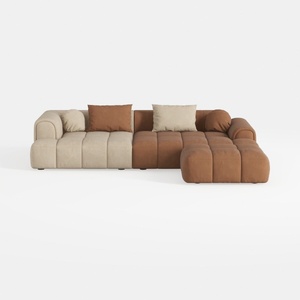
Modern Velvet Sectional Sofa, U Shape Minimalist M

Modern Black Solid Wood Rattan Dining Chair 3D Model
Discover the ease of home design with Homestyler! This user-friendly platform offers an online design tool, stunning 3D renderings, diverse design projects, and helpful DIY video tutorials. It's perfect for creating your dream space, regardless of your experience level. Start designing today!
Zaprojektuj teraz za darmo
































