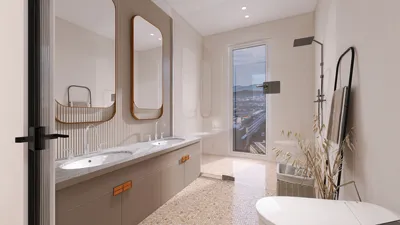


Creating compact mat rooms—ideal for yoga, meditation, stretching, or floor exercises—requires thoughtful design. I view these spaces as restorative micro-environments where posture, breath, and sensory experiences harmonize. The key to comfort in confined spaces lies in how proportion, lighting, sound, and materials interact, especially in limited square footage.
Design choices should be grounded in evidence. The WELL v2 standard emphasizes visual comfort and circadian lighting as critical elements for occupant health, advocating for adjustable lighting and glare management to enhance sleep and mood. According to research by Steelcase, environments that foster mental focus and recovery significantly boost performance and well-being, further highlighting the importance of serene spaces with regulated stimuli.
For most small mat rooms, optimal spatial ratios typically range from 5:4 to 4:3, ensuring a clear circulation space of 24–30 inches around the mat. The Illuminating Engineering Society (IES) suggests maintaining a lighting level of 100–300 lux for low-energy, calming settings, using warm-to-neutral color temperatures between 2700–3500K to promote relaxation while facilitating safe movement.
Refining the Envelope: Space, Visibility, and Storage
I start by analyzing movements, floor postures, and transition areas. A single-user mat room generally requires a width of 4.5–6 ft and a length of 7–9 ft. It’s crucial to maintain a 4–6 inch buffer around the perimeter to avoid accidental collisions with walls. For multi-user setups, ensure at least a 2 ft distance between mats. By sketching flow patterns with a design tool, I can visualize access to props and necessary door clearances effectively.
Light and Atmosphere: Circadian-Friendly and Glare-Free
A peaceful work environment benefits from soft, diffuse lighting. I recommend implementing layered lighting strategies: use a dimmable ambient source set to 150–250 lux, a low-glare wall wash to enhance visual space, and subtle perimeter lighting to soften corners. Warm tones around 2700–3000K aid evening sessions, while neutral colors in the range of 3000–3500K foster daytime focus. To manage bright windows, consider using translucent window treatments. For health-related standards, WELL v2 resources offer excellent guidance available at wellcertified.com.
Acoustic Comfort: Quiet Spaces Foster Inner Peace
Noise can disrupt breath regulation and concentration. I incorporate multilayered acoustic solutions: a cork or rubber underlayment under the mat, soft wall panels at reflection points, and thick door seals. Background noises from HVAC systems can be masked by wide-spectrum ambient sounds, but rhythmic noises should be avoided as they can interfere with breath patterns. A sound level target between 35–40 dBA maintains a serene ambiance while preventing a feeling of confinement.
Materials and Touch: Functional, Sustainable, and Skin-Friendly
Mats need to be low-VOC, non-slip, and easy to sanitize. Options like natural rubber and TPE offer excellent traction, while cork provides a comforting surface under pressure. For walls, a mineral-based paint with matte finishes helps control glare and softens light. Consider introducing fabric-wrapped acoustic panels for additional texture. I aim to balance durability with sustainability—using solid wood trims with oil finishes, recycled rubber underlays, and third-party certified fabrics when feasible.
Color Psychology: Promoting Calmness Without Flatness
Colors serve as subtle influencers in an environment. Soft greens and muted blues help lower arousal levels conducive for restorative practices, while warm neutrals create a sense of safety and intimacy. According to insights from Verywell Mind, blue is associated with tranquility and concentration; therefore, in small spaces, I keep color saturation low to prevent feeling overburdened visually. I often recommend using color gradations—darker tones closer to the floor and lighter ones toward the ceiling—to enhance perceived space and reduce a sense of confinement.
Spatial Rhythm: Clear Zoning Without Clutter
Even the smallest rooms can benefit from defined micro-zones: arrival, practice, and reset areas. A slim shelf or recessed alcove near the entrance can store props and water, while a low bench can provide a moment for reflection. It’s vital that the practice area remains visually uncluttered; a single focal point—a stylish lamp or transformative art panel—can capture attention without creating distractions. Utilizing a room layout planner helps ensure clear sightlines and smooth storage flows around the mat area.
Ventilation, Thermal, and Air Quality
Activities focused on breath require stable temperatures and clean air. I suggest maintaining a temperature range of 68–72°F with minimal drafts. While operable windows provide fresh air, it’s essential to manage outside noise and glare. A compact HEPA filter placed away from the mat can minimize particulates without introducing distracting sounds; choosing models with low volume levels is advisable. Subtle natural aromas are fine, but it’s best to limit stronger scents.
Behavioral Patterns: Deliberate Intentions and Rituals
Establishing a routine is just as important as the materials used. I design subtle cues that encourage ritualistic behaviors: a soft hook for headphone storage, a tray for phones, and a dimmer preset to signal the transition from arrival to practice. Technology should remain unobtrusive—no blinking lights in critical sightlines—and controls should be easily accessible during poses to avoid breaking focus.
Small Space Strategies: Creating the Illusion of Space
To enhance the perception of size in small rooms, I implement strategies such as wall washing to soften corners, using vertical grain patterns on panels to create a sense of height, and opting for low-profile storage solutions to keep floors visually open. While mirrors are useful for alignment checks, I advise against full-wall mirrors which can exacerbate self-consciousness; a narrow mirror positioned near the entrance can aid in posture correction without dominating the room.
Prop Management: Essentials Only
Rooms designed around mats don’t need extensive equipment. A couple of blocks, a strap, a bolster, and a small blanket are usually sufficient for most routines. I prefer discreet storage solutions—lift-top benches, recessed niches, or slim cabinets—to minimize visual clutter. Clear labeling of shelves using subtle typography promotes smooth retrieval and mindful storage.
Lighting Controls and Tech Integration
Scene presets greatly enhance adaptability in small rooms: use a warm dim light for meditation, neutral lighting for stretching, and a gentle perimeter glow for recovery. Implement low-latency controls, ideally physical dimmers providing intuitive feedback. Ensure smart speakers are placed outside the direct area of practice, and conceal cables to maintain a calming environment.
Safety and Ergonomics
Uncluttered floors, rounded corners, and stable surfaces are essential. I ensure that floor finishes within practice zones achieve a slip coefficient of friction above 0.6. Outlets should be positioned away from the mat's perimeter to prevent accidental equipment encroachment. Door swings should not impede upon the mat space; opting for pocket doors or outswing designs can help mitigate accidental contact.
Personalization Without Clutter
The objective is to cultivate a space that feels personal yet organized. Including one tactile element—a handwoven textile or a natural wood bowl—can enhance the mood. Avoid intricate patterns near the mat as they can be distracting during meditation or breath work. Individuality can be expressed through scent, gentle sounds, and a singular artwork that aligns with your practice goals.
Five Quick Layout Ideas for Compact Mat Rooms
1) Single-mat corridor: Arrange the mat longitudinally with a storage niche at the entry and wall wash lighting along the length.
2) Corner retreat: Rotate the mat 45° to soften direct lines of sight, with an acoustic panel positioned behind the head end.
3) Bench and bolster arrangement: Place a narrow bench opposite a soft-glow lamp, with props stored underneath.
4) Window-centric space: Center the mat away from windows, using sheer shades to manage glare, and install a perimeter LED cove light.
5) Foldable setup: Incorporate a wall-mounted fold-down shelf that serves as a breath station, paired with a stowable mat for multifunctional rooms.
Design Validation: Measure, Adjust, Repeat
I conduct quick pilot tests: measure lux levels at the center of the mat and at eye level, record sound readings, and assess reach during typical poses. Small mat rooms show significant improvements with minor adjustments—altering a dimmer or repositioning a panel can radically enhance practice environments.
FAQ
Q1: What’s the recommended lighting intensity for a mat room?
A: Aim for 100–300 lux for serene, low-energy activities. For evening sessions, a target of 150–250 lux with a color temperature of 2700–3000K is ideal for promoting relaxation.
Q2: How can I minimize echo in a confined space?
A: Utilize a combination of soft materials—like rubber or cork underlays, fabric panels at primary reflection points, and door seals. Aim for ambient sound levels around 35–40 dBA for optimal comfort.
Q3: What color palettes are most effective for relaxation?
A: Soft greens and muted blues are excellent for lowering arousal; warm neutrals contribute a sense of safety. Keeping saturation low helps prevent visual heaviness.
Q4: How much space should I leave around my mat?
A: Ensure a clearance of 24–30 inches around the mat for smooth transitions. Single-user spaces generally require dimensions of 4.5–6 ft by 7–9 ft.
Q5: Which materials provide safe footing?
A: Natural rubber, TPE, and cork are reliable choices that offer good traction and are gentle on the skin. Opt for low-VOC materials to enhance indoor air quality.
Q6: How do I manage window glare effectively?
A: Employ translucent shades, implement indirect wall washing techniques, and avoid direct lines of sight towards bright windows. Ensure lighting is warm and adjustable for evening sessions.
Q7: Is it possible to seamlessly integrate technology without disrupting the overall ambiance?
A: Absolutely—utilize discreet dimmers, low-latency controls, and conceal cables. Ensure that status indicators remain out of your line of sight and set scene presets for practices like meditation or mobility.
Q8: What are effective storage solutions for limited spaces?
A: Consider recessed niches, lift-top benches, or shallow cabinets for storing essential items. Limit storage to what is necessary and use subtle labeling for easy access.
Q9: How can I create a sense of spaciousness in a small room?
A: Use wall washing techniques to soften corners, implement vertical grain patterns to enhance perceived height, and maintain modest-sized mirrors to prevent overwhelming visuals.
Q10: Is a mirror a necessary component?
A: Not necessarily. A narrow mirror positioned near the entry can assist with alignment while maintaining a calm visual environment.
Q11: What is a comfortable temperature range?
A: A typical range is 68–72°F with gentle airflow. Accompany this with clean air from a quiet HEPA filter kept at a distance from the mat.
Q12: Are there any guidelines I can reference?
A: The WELL v2 standards provide practical recommendations on lighting and comfort, with illuminance ranges from the IES that support safe, soothing lighting objectives.


Homestyler is your go-to online home design platform! With its intuitive design tool, stunning 3D renderings, and a wealth of inspiring projects and video tutorials, you can effortlessly create and visualize your dream spaces, whether you're a beginner or a seasoned designer. Start your design journey today!
Desain sekarang Gratis
































