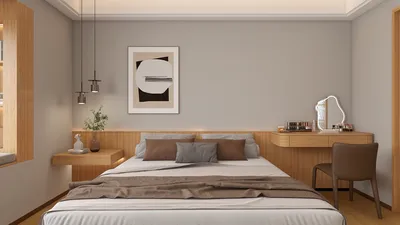


I once had a client request the design of a compact locker room capable of accommodating rush-hour gym crowds while also serving as a tranquil space for yoga preparations. This unique challenge encouraged me to rethink aspects like circulation, staging, and storage. I learned that a smart arrangement of lockers can transform even the tiniest locker room into a serene and efficient space. Small areas ignite significant creativity, and I’ll share five practical inspirations I utilize in real-world projects, including how Homestyler can enhance this process.
1. Vertical lockers with varied sizes
I recommend stacking a combination of full-height lockers with shallower cubbies above them for items like helmets and gym bags. The benefit is clear: customized storage and a visually appealing rhythm; however, it’s essential to ensure that the taller lockers do not create a barrier—consider incorporating open shelves or perforated doors for a lighter feel. A budget-friendly option is standard steel lockers, but painted plywood with ventilation can add warmth to a mid-range budget.
save pin
2. Hybrid bench and storage solution
A bench that conceals or includes storage cubbies beneath is my preferred multitasking solution for compact spaces. It keeps the area tidy, establishes a natural seating area, and delineates circulation zones effectively. The downside might be door swings and access—choose sliding lids or top-hinged seats if space is tight.
save pin
3. Visual zoning with clear sightlines and a 3D model
Even a modest 6x8 meter locker room can benefit from visual zoning, distinguishing areas like the wet zone, dry zone, and a quick-access drop-off point by the entrance. I typically create a realistic 3D model using Homestyler early in the design phase, allowing clients to visualize paths and potential bottlenecks before building begins. This early visualization can significantly reduce costly revisions later, although it may incur a small upfront design fee.
save pin
4. Wet zone strategies: focus on ventilation and durable surfaces
When showers or sinks are included, it's crucial to prioritize ventilation, drainage, and anti-slip flooring in the layout. I often specify large-format tiles that are grout-free and fixtures that resist corrosion to minimize long-term maintenance. Although this may present a higher initial cost, it offers long-term durability and reduces the need for repairs.
save pin
5. Flexible technology and appliance proximity
For small locker rooms that accommodate staff or serve multiple purposes, I suggest designing an efficient layout with a kitchen area for a coffee station or garment steamer nearby. This strategic placement supports quick service and simplifies plumbing installations. However, it can involve some challenges with codes and clearance, so it's best to confirm mechanical requirements early on.
save pin
FAQ
Q: What is the recommended aisle width in a locker room?
A: I suggest aiming for a minimum of 900–1200 mm for main aisles to enable two individuals to pass by; narrower service aisles (around 700–800 mm) can be acceptable behind one-sided lockers. Wider aisles enhance accessibility and flow.
Q: How do I determine locker sizes for a variety of users?
A: Combine full-height lockers for sports equipment with smaller lockers or cubbies for commuters. Consider locker widths between 300–450 mm for individuals and dedicated bays for bikes or equipment as needed.
Q: Are ventilated locker doors essential?
A: Yes, ventilation significantly reduces odors and moisture accumulation—perforated or slatted doors facilitate airflow and provide a lighter appearance compared to solid doors. These economical enhancements improve user comfort.
Q: How should I prepare for showers and humid spaces?
A: Opt for non-slip, water-resistant finishes and ensure that floor slopes comply with local regulations. For ventilation needs, I adhere to ASHRAE Standard 62.1 for appropriate indoor air quality and recommended ventilation for wet areas.
Q: What’s a budget-friendly lighting approach?
A: A layered lighting strategy combining bright general LEDs with focused task lights is most effective at benches. Utilizing motion sensors at entrances can save energy and enhance hygiene by minimizing touchpoints.
Q: Is it possible to install charging stations in lockers?
A: Absolutely—lockers equipped with USB ports and outlets are in high demand, but be cautious about wiring, ventilation, and fire safety. Plan for access to the electrical riser early on to avoid retrofitting later.
Q: How can I ensure accessibility in a compact locker room?
A: Allocate at least one accessible locker and a bench area with sufficient turning radius and grab bars if showers are included. Make sure to comply with your local accessibility code for specific dimensions.
Q: What maintenance should I anticipate for various finishes?
A: Powder-coated metal lockers are low maintenance yet can chip; laminate or painted wood provides a warmer appearance but varies in dent resistance. Select materials based on expected usage—high-traffic facilities justify more robust finishes.
save pin
Discover the ease of home design with Homestyler! This user-friendly platform offers an innovative online design tool, stunning 3D renderings, and a plethora of inspiring design projects. Plus, its DIY video tutorials make it simple to create your dream space, regardless of experience.
Progetta ora GRATIS
































