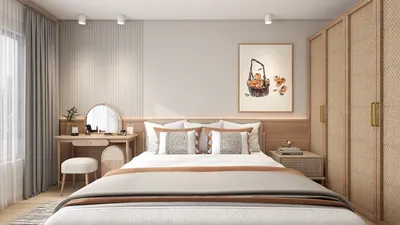


In a well-designed compact hotel room, careful attention to proportion, light, and movement creates a sense of generous space. I prioritize key guest activities—sleeping, washing, storing belongings, working, and relaxing—and design each aspect based on those functions. A room only feels cramped when it interferes with natural human movement.
My design choices are guided by two essential data points. The first is lighting: I ensure ambient and task lighting align with recommended illuminance levels—approximately 150–300 lux for ambient light and 300–500 lux for task areas according to IES guidelines—allowing surfaces to be clearly illuminated without causing glare. Properly balanced lighting can significantly enhance the perception of spaciousness. The second factor focuses on incorporating biophilic design and comfort elements, underscored by the WELL v2 framework, which indicates that controllable lighting, acoustic comfort, and high-quality air lead to greater satisfaction and better sleep quality in hospitality settings. Using these metrics ensures comfort is measurable, not just based on personal anecdotes. For additional insights, please refer to the Illuminating Engineering Society’s standards and WELL’s recommendations.
Mapping the Guest Experience Before the Design Process Begins
My design process starts by charting out the guest’s 24-hour itinerary—arrival with suitcase, key drop-off, device charging, enjoying a glass of water, taking a shower, changing outfits, replying to emails, unwinding, and finally sleeping. This timeline helps identify essential adjacency needs: positioning luggage storage near the entrance, ensuring power availability by the bed and compact workspace, and creating an uninterrupted pathway from door to bed and bath without obstacles. Utilizing a room layout tool allows for early spatial testing, simulating door swings and luggage transitions without creating physical mockups: room layout tool.
Optimizing Furniture Size Without Compromising Guest Experience
Scale is a vital element in maximizing the comfort of small spaces. I typically select a queen bed to align with the brand's vision and adjust accompanying furniture accordingly. Instead of traditional nightstands, wall-mounted shelves with integrated power and adjustable sconces take their place. A deep desk (600–700 mm) can be reduced to a narrower ledge (400–450 mm) paired with a pull-up chair that can tuck away neatly. Vertical storage solutions are key: a wardrobe measuring 350–400 mm deep with dual hanging options and a compact drawer bank, complemented by a peg rail and fold-down hooks for extra items. It’s crucial to minimize depth wherever feasible without sacrificing movement clearance—aiming for an 800–900 mm wide main aisle and a minimum of 600 mm around the bed to facilitate housekeeping and guest mobility.
Illuminating Like a Stage: Creating Layered and Adjustable Lighting
The feeling of spaciousness is greatly influenced by how light is distributed and shadowed within a room. I incorporate three distinct layers of lighting: a soft ambient glow from cove or ceiling-wash fixtures (150–300 lux), task lighting situated at the desk and bedside (300–500 lux), and focused accent lights for artwork or textured surfaces. These lighting sources can all be dimmed and adjusted to provide a warmer hue (2700–3000K) in the evenings to promote melatonin production and encourage restful sleep. Careful placement of fixtures helps reduce glare; for instance, sconces with opal or microprismatic diffusers should be positioned at eye level to avoid bright spots on glossy surfaces. Implementing motion-activated, ultra-low night lighting (1–5 lux) under the bed or vanity ensures safe navigation at night without disturbing co-sleepers.
Understanding Color Psychology and Material Rhythm
Using soft, low-chroma colors can add depth to a compact area, but anchor points are also crucial. I select light tones, like soft ecru or cool greige for the walls, and introduce a mid-tone textile panel for the headboard wall to foster focus and enhance acoustic absorption. Research on color psychology indicates that blues and soft greens can help reduce heart rates and anxiety levels; when used intentionally, they can transform small areas into calming retreats rather than sterile environments. Choosing matte or eggshell finishes helps to minimize glare, while warm woods like light oak or bamboo contribute comfort without weight. I steer clear of overwhelming, high-contrast patterns that can create a strobing effect under LED lights. A single standout texture—such as bouclé or ribbed timber—not only helps narrate the brand's story but also stands up to wear and tear.
Prioritizing Acoustic Comfort for Enhanced Guest Experience
Poorly designed spaces amplify sound issues. From the outset, I integrate sound-absorbing elements: upholstered headboard walls, acoustic underlay under LVT flooring, heavy curtains, and soft rug runners at the bed. Ensuring door perimeters are sealed and selecting quiet-close hardware can significantly enhance guest comfort. For spaces near noise sources—like elevators or ice machines—incorporating a double-stud or resilient channel assembly can buffer sound, while placing wardrobes back-to-back provides added sound insulation. The benefits are tangible: reducing reverberation time enhances clarity and allows light to resonate throughout the space.
Ergonomics: Small Adjustments for Big Comfort
Consideration of human factors is vital in compact areas. Bedside controls should be reachable within a 400 mm range, with outlets positioned 450 mm above the floor near the bed and 200 mm above the workspace. A luggage bench height of 500–550 mm helps protect guests' backs while keeping floors clear. In the bathroom, I position the mirror edge 1000–1100 mm from the floor and ensure there's a 600 mm pull-side clearance on doors swinging inward. Using lever handles instead of knobs, and specifying soft-close hinges contribute to a quieter and more pleasant environment.
Innovative Storage Solutions That Remain Hidden
A cluttered environment makes spaces feel smaller. I carefully design storage systems that integrate a shallow wardrobe with a half-height safe and a drawer stack, in addition to a pull-out ironing board. Above this, a full-width shelf accommodates additional pillows. A pantry-style column near the entry discreetly houses the minibar, kettle, and glassware behind a ventilated door to minimize visual clutter. Open cubbies at entry level keep keys and transit cards easily accessible, while a narrow slot for umbrellas prevents wet items from spreading mess. Mirroring the wardrobe's interior doors visually amplifies the sense of space.
Bathroom Design: Balancing Transparency, Privacy, and Brightness
In compact hotel suites, bathrooms often constrain space. I prefer using pocket or outward-swing doors to optimize interior space. Opting for wall-mounted vanities and toilets exposes more floor area, boosting visual volume and simplifying cleaning. Clear or reeded glass partitions allow natural light to flow in from the room; for instances requiring privacy, a top-down, bottom-up shade works effectively. Choosing a spacious shower over a cramped tub, along with linear drains, facilitates a seamless flow of floor tiles, visually expanding the footprint.
Room Circulation and Clear Sightlines
Establishing a clear, unobstructed view from the entry to the window creates an immediate sense of openness. I position the tallest furniture like wardrobes closest to the entrance, gradually reducing heights as you approach the window. Mirrors along the return wall, particularly near windows, reflect daylight deep into the room. If the layout still poses challenges, experimenting with variations using an interior layout planner can help assess cleaning space and turnaround opportunities: interior layout planner.
Streamlined Tech and Control Features
Guests look for simplicity in technology. I utilize scene-based controls categorized as Reading, Work, Relax, and Sleep with gradual dimming options. Both USB-C and standard outlets are made available. A discreet wireless charger integrated into the shelf mitigates cord clutter. HVAC thermostats are strategically placed away from direct sunlight and supply vents to ensure accurate temperature readings. Additionally, a master power switch located by the door is designed so that it doesn't disconnect bedside outlets to allow for continued charging.
Embracing Sustainability for Guest Well-being
Using low-VOC paints, FSC-certified wood, and durable, cleanable textiles can improve air quality and decrease maintenance needs. Selecting LED lighting with a CRI of 90+ ensures that skin tones and finishes are accurately rendered while minimizing energy consumption. Installing water-saving fixtures that provide comfortable water pressure is essential. Sustainability should never feel like a compromise; it should be synonymous with excellent hospitality.
Exuding Brand Essence Without Overcrowding
In smaller spaces, brand identity is conveyed through material choices, color temperature, and a handful of unique touches—such as a beautifully crafted headboard seam, an artistic sconce, or a custom pull. Keeping decorative items minimal yet purposeful enhances the overall ambiance. Typography used in wayfinding and in-room guides must be clear and spacious to reinforce a calming atmosphere.
Exploring Common Layout Designs: Three Proven Configurations
Position the bathroom near the entrance, leading into a continuous storage wall that transitions to the sleeping area. Incorporate pocket doors and wall-mounted fixtures, and use a desk as a window ledge to maintain smooth circulation. This arrangement benefits greatly from a ceiling wash effect to elongate the room.
Center the bed in alignment with the window bay, flanking it with sleek shelves. Incorporate a compact lounge chair into the bay while mounting a fold-down desk panel adjacent to the wardrobe. A textured accent wall serves to anchor the bed while absorbing sound.
Utilize cross-ventilation and daylight-friendly zones by placing the bathroom as a compact core; glass partitions can facilitate daylight flow while maintaining privacy through textured surfaces. An L-shaped run of storage and a desk optimize corner space while retaining open sightlines.
Choosing Finishes for Durability and Functionality
Select performance fabrics rated for 50,000+ double rubs, with stain-resistant finishes on furniture, and install porcelain tiles that meet DCOF requirements for wet areas. Ensure all exposed panel edges are banded and opt for solid surface or compact laminate countertops in areas exposed to heat and water. In small rooms, materials are frequently interacted with, making tactile quality and resilience paramount.
Final Walkthrough: Experience the Room as a Guest
On the eve of opening day, I navigate the room using a rolling suitcase and a light meter to check functionality. I verify the night light's convenience, ensure sconces don’t glare while lying in bed, inspect shower glass for leaks, and confirm that outlets are positioned where they are most needed. This final assessment often highlights minor oversights that could disrupt the seamless experience.
Addressing Common Inquiries
Aim for ambient lighting at 150–300 lux and task lighting of 300–500 lux at work surfaces or beside the bed. Dimming to 2700–3000K in the evening promotes restful sleep, complemented by a 1–5 lux night light for nocturnal navigation.
For circulation paths, I recommend 600 mm clearance on pull sides and 800–900 mm for main pathways to enhance ease of movement for both guests and housekeeping.
Indeed, these designs free up floor space for cleaning, reduce visual clutter, and enable the integration of power and lighting discreetly.
When it comes to color choices, opt for light, low-chroma neutrals for the walls, paired with a mid-tone feature wall. Soft undertones like blues and greens create a calming visual effect, while matte surfaces cut down glare that may overwhelm a small room.
Enhance sound insulation with padded headboard walls, heavy curtains, a soft rug runner, door seals, and quiet-close hardware. Where feasible, position wardrobes against walls shared with noisy areas for added sound mitigation.
Incorporate a sleek ledge for a chair and power outlets with dimensions of 400–450 mm. Guests often benefit from a well-lit surface for brief work, making a compact setup more functional than a bulky desk.
For bathrooms, I suggest including a spacious shower with a linear drain, a wall-mounted vanity and toilet, and either a pocket or outward-swing door for accessibility. Clear partitions can allow natural light while still ensuring privacy.
Opt for scene-based lighting controls, discreet wireless chargers, and provide both USB-C and traditional power outlets. Position HVAC controls away from direct sunlight and air supply for accurate temperature management.
Utilize acoustic underlayment below LVT or engineered wood flooring, and use porcelain tiles with appropriate slip resistance in bathrooms. Additionally, a small bound rug adds warmth and aids in sound absorption.
Focus on materials, lighting tones, and a few unique details rather than overcrowding. Signature hardware or distinctive textiles can effectively encapsulate the brand identity.


HOMES: Inside + Out Lysandra Modern Bed Frame Quee

SICOTAS 5 Tier Bookcases Bookshelf with Storage
Nightstand Simple Bedside Table for Bedroom Office
Homestyler is your go-to online home design platform that empowers you to unleash your creativity. With its easy-to-use design tool, stunning 3D renderings, inspiring design projects, and helpful DIY video tutorials, transforming your living space has never been easier or more enjoyable!
Zaprojektuj teraz za darmo
































