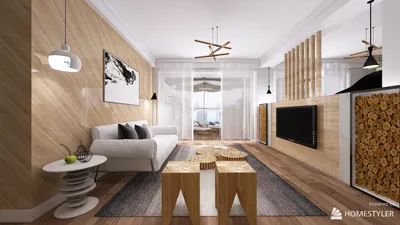


When considering compact spaces like Aishwaryam Mini Hall, I treat them similarly to high-performance work environments: it’s essential that every square foot promotes comfort, flow, and ambiance. Guests remember how easy it was to find their seats, the pleasantness of the lighting, and the effortless navigation through stage areas, buffets, and social circles. These design elements are critical; they directly impact performance outcomes.
Studies repeatedly indicate that the quality of the environment significantly influences the overall experience. The WELL v2 Light concept stresses the importance of vertical illuminance and glare reduction to foster comfort and support circadian rhythms, showcasing effective lighting strategies for alertness and visual clarity (source: WELL v2). Concurrently, Gensler’s research emphasizes that strategic circulation and well-defined spaces correlate strongly with user satisfaction and perceived productivity—principles that can be seamlessly applied to event settings where ease of movement shapes memorable experiences (source: Gensler Research Institute). For a compact hall, I implement these guidelines to achieve an optimal mix of capacity and comfort.
The importance of lighting cannot be overstated. The Illuminating Engineering Society proposes specific lux levels for different settings; for instance, ambient light levels between 100 and 300 lux and task lighting around 300 to 500 lux are typically recommended for assembly areas, with effective glare management to maintain comfort (source: IES standards). When coupled with color psychology—according to Verywell Mind, warm shades invigorate social spaces while cooler tones instill calm—attendees feel connected without overwhelming sensory input. In small areas, the effects of lighting choices are magnified; proper adjustment can create a perception of expanded space that feels inviting and functional.
Zoning: Define Purpose, Enable Flow
Successful compact halls clearly delineate zones: entryway, reception, main seating, stage/screen, catering, and social areas. I advise maintaining a minimum of 1.2 meters for primary aisles and 0.9 meters for secondary paths to prevent crowding. Positioning the stage against the shorter wall in a rectangular configuration maximizes seating capacity and minimizes distances to the back. For halls accommodating various event types—such as weddings, birthdays, or corporate meetings—using movable dividers or plants can quickly transform from presentation-centric to social-oriented setups. To visualize seating configurations and flow in advance of setup day, a room layout tool like Homestyler can be incredibly beneficial.
Capacity Planning: Prioritizing Comfort
For banquet-style arrangements within narrow spaces, I recommend a 1.2 to 1.4 meter separation between tables to facilitate server movement and guest navigation. Theater seating generally utilizes 0.5 to 0.55 meters per seat width, with 0.9 to 1.1 meters between rows, though I tend to increase these measurements for enhanced comfort. It’s wise to retain 10-15% of capacity as flexibility for latecomers or equipment needs. For buffet arrangements, allocating about 6 to 8 meters of linear service space per 100 guests helps prevent crowding around seating areas. If uncertain, simulating various banquet and theater layouts using an interior layout planner, like those available with Homestyler, can clarify capacity constraints before the event.
Creating Atmosphere with Thoughtful Lighting
In smaller venues, it’s vital to layer lighting, ensuring it is adjustable and free from glare. My goal is to maintain ambient lighting at 150–250 lux during social interactions, increasing intensity to 300–400 lux when it’s time for speeches or performances. Techniques like wall washing can visually enhance room dimensions, while grazing on ceilings can promote brightness without clutter. Keeping color temperatures around 2700–3000K for dining and 3500–4000K for presentations helps create an inviting atmosphere and ensures readability. Direct specular lights over shiny surfaces should be avoided; instead, using diffused lighting or indirect sources helps soften contrasts. For venues with low ceilings, I prefer slim recessed or surface-mounted fixtures with a high Color Rendering Index (CRI) to flatter skin tones. Wherever projectors are employed, integrating localized dimming zones ensures that both content and audience members are comfortably visible.
Understanding the Impact of Color and Material Choices
Color plays a subtle but significant role in influencing behavior. Warm neutrals and soft earth tones foster conversation, while controlled accents—such as terracotta, deep teal, or berry shades—can serve as visually appealing stage backgrounds without dominating photographs. Highly saturated reds and blues may appear overly vibrant on camera; thus, I recommend using matte finishes to tone them down. For upholstery, opting for performance fabrics minimizes stains and simplifies upkeep; low-sheen finishes can also mitigate glare in photos and videos. In smaller venues, a combination of absorbent materials like curtains and acoustic panels with easy-to-clean surfaces such as laminate or coated metals helps strike a balance between hygiene and acoustics. When sustainability is a focus, selecting low-VOC finishes and FSC-certified wood whenever possible is ideal.
Acoustics: Clear Voices and Warm Energy
In small rooms, sound can quickly become overwhelming. My target for reverberation time (RT60) is in the range of 0.6 to 0.9 seconds for speech-driven events; the upper limit suits more dynamic banquets. This can be achieved using acoustic ceiling tiles (with high Noise Reduction Coefficients), strategically placed wall panels, and soft materials near both the stage and rear walls. For hard flooring, strategically placing area rugs beneath lounge sets or near the stage aids sound absorption. To enhance amplified sound, introducing diffusion elements such as bookshelf-style décor or slatted wood features can prevent flutter echoes, while decoupling subwoofers from the floor reduces vibration in surrounding areas.
Ergonomics: Prioritizing Comfort and Accessibility
Compact venues can convey a sense of generosity when human-centric design principles are followed. Selecting seat heights around 450 mm with back support for the mid-scapular region keeps guests comfortable even beyond the initial hour. A minimum vertical viewing angle of 12 to 15 degrees to the stage from the back row is essential, and care should be taken to avoid sightline obstructions with low centerpieces or slim staging. For accessibility, it’s important to keep at least one 900 mm wide path to each zone, incorporate wheelchair-accessible seating within rows (not isolated), and ensure ramps have safe slopes. At the entrance, a compact welcome console with a depth of 600 to 750 mm can facilitate gift handling, program distribution, or sign-ins without congesting the doorway.
Buffet and Bar Strategy
Long, linear service lines with access on both sides aid in speeding up guest flow more effectively than clustered stations. Positioning bars and dessert tables across the venue from one another helps to distribute traffic evenly. Ensuring at least 1.5 meters behind the service areas for staff movement and 1.2 meters in front for guest queuing is necessary. Using lower lighting at the bar (in the range of 2700–3000K) encourages guests to linger, while brighter task lighting over food displays signals where to move. Planning a photo area away from the bar minimizes congestion and protects fragile glassware.
Technology and AV Integration
It’s critical to plan cable routes early on. Utilizing floor cable covers or perimeter raceways will not only prevent tripping but also keep visual aesthetics neat. Displays should be mounted at eye level for seated audiences; for standing functions, screens ought to be elevated by 200 to 300 mm. Installing a modest delay speaker toward the back ensures consistent speaker intelligibility without requiring overly loud volumes at the front. For livestreaming events, dressing walls in mid-tone matte colors helps prevent exposure and color distortion issues. Ensuring adequate power access at both the stage and buffet areas (for heating warmers) mitigates the need for last-minute extensions.
Creating Lasting Impressions with Staging
Memorable experiences are often centered around a well-defined focal point: whether that’s a stage, a ceremony arch, or a unique backdrop. I suggest widths between 2.4 to 3.0 meters for intimate gatherings, expanding to 3.6 to 4.2 meters for larger performances, ensuring clear access along the sides. Incorporating layered drapery, greenery, or textured panels can add depth and interest. Soft, directional lighting angled between 30 to 45 degrees enhances facial features; adding a hair light can help differentiate subjects in photos from the backdrop. Maintaining visibility of the focal point from the entryway sets guest expectations and builds excitement.
Operations: Ensuring Quick Turnarounds and Efficient Storage
For venues hosting multiple events within a single day, prioritizing stackable chairs designed for commercial use, folding tables with edge protection, and a back-of-house storage pathway that avoids guest traffic is essential. Implementing a coded bin system for linens and décor can significantly shorten setup times. To maximize storage, consider wall-mounted brackets for panels and collapsible arches to save floor space. Labeling electrical and AV setups with color coding ensures speedy deployment.
Layout Strategies for Aishwaryam Mini Hall
- Ceremony-centric: Create a center aisle of 1.5 meters, with two seating blocks on either side, and a shallow stage against the short wall; utilize wall washers and warm dim lighting for a sense of intimacy.
- Banquet-social: Configure clusters of 6 to 8 around each round table, with the DJ and bar on opposite sides, and the dance area near the stage; apply brighter task lighting at the buffet while keeping softer ambient lighting throughout the rest of the space.
- Corporate meetings: Arrange theater rows with a center aisle and two side aisles, include a rear tech table, and utilize 4000K lighting at the front for slide presentations. Use a layout simulation tool like Homestyler to test all configurations before finalizing arrangements.
FAQ
1) What’s the ideal lighting level for a compact hall during dining?
Aim for an ambient level of 150–250 lux with warm dim lighting (2700–3000K). Increase task lighting over the buffet area to 300–400 lux while controlling glare.
2) How do I avoid congestion around the buffet?
Implement two-sided access on a lengthy serving line, maintain 1.2 meters of space in front for queues, and position the bar on the opposite side of the venue to distribute traffic better.
3) What is the comfortable seating density for theater-style layouts?
Establish a baseline of 0.5 to 0.55 meters per seat width, with 0.9 to 1.1 meters between rows; increase spacing for longer events or when frequent movement is anticipated.
4) How can I enhance speech clarity without excessive volume?
Incorporate soft finishes to minimize reverberation (aiming for an RT60 of around 0.6 to 0.9 seconds), use a small delay speaker towards the back, and avoid reflective surfaces behind speakers.
5) What colors photograph best in compact spaces?
Utilizing mid-tone neutrals with matte finishes reduces glare and color casting. Controlled accent colors can add depth at focal points without overwhelming photographic captures.
6) What's an effective approach to multipurpose zoning?
Deploy movable screens or soft dividers to swiftly repurpose space; maintain primary circulation paths of at least 1.2 meters to allow for flexible zoning without confusion.
7) Any recommendations for venues with low ceilings?
Favor shallow linear fixtures and wall washing to enhance the perception of width while using indirect lighting to prevent visual clutter. Keep decorative vertical lines simple.
8) How do I effectively plan for AV without creating trip hazards?
Route cables along perimeter raceways or use coverage options, pre-arrange power at the stage and buffet, and mount displays at suitable heights for seated or standing audiences.
9) What is the best strategy for facilitating quick turnovers between events?
Utilize stackable chairs, foldable tables with protective edges, properly labeled bins for linens, and establish a back-of-house pathway that avoids guest traffic for efficiency.
10) How many buffet stations should I plan for every 100 guests?
Allocate 6 to 8 meters of total service area per 100 guests, as two shorter lines often move faster than a single lengthy line in constrained spaces.
11) Which materials best balance acoustics and ease of cleaning?
Combine sound-absorbing features such as acoustic panels and drapes with performance upholstery and low-glare laminates to enhance acoustics while simplifying maintenance procedures.
12) How can I design for accessible seating without sacrificing too much overall capacity?
Integrate wheelchair spaces within seating arrangements and ensure a clear 900 mm pathway to all zones to maintain accessibility and flow with minimal spatial compromise.

Minimalist Neutral Fabric Irregular Coffee Table 3D Model

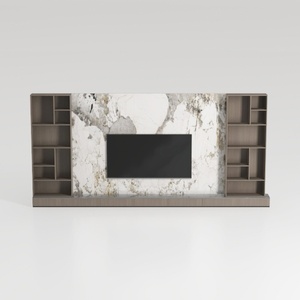
Modern Marble Solid Wood TV Wall Unit With Bookshelves 3D Model
Homestyler is your go-to online home design platform! With its innovative design tool and stunning 3D renderings, you can effortlessly create and visualize stunning spaces. Explore a wealth of design projects and follow easy video tutorials to elevate your DIY skills. Transform your home with ease!
Дизайн сейчас бесплатно
































