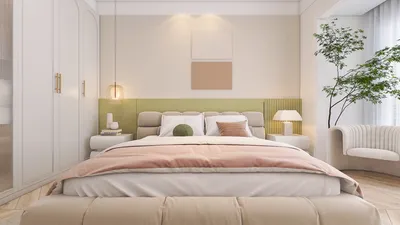


Designing a double-occupancy room in a compact area requires careful attention to detail: every inch should serve multiple functions while ensuring comfort and productivity for both individuals. My approach to these spaces focuses on finding the right balance between privacy and communal areas, optimizing lighting and acoustics to minimize fatigue, and choosing materials that promote durability. Research consistently shows that these design choices matter—findings from Steelcase link workplace comfort and control to increased engagement, while WELL v2 guidelines emphasize the importance of light, sound, and ergonomic support for occupant well-being. Additionally, utilizing tools like Homestyler can facilitate effective layouts in these limited spaces.
The quality of light plays a crucial role in setting the room's ambiance. The Illuminating Engineering Society (IES) advises having task lighting around 300–500 lux for reading and concentrated work, with ambient light levels ranging from 100–300 lux for relaxation purposes. WELL v2 also stresses the significance of glare management and circadian-friendly lighting, particularly in environments with varying sleep and work patterns. By adhering to these standards, I effectively integrate ambient, task, and accent lighting, allowing each resident to independently modify brightness and color temperature without disturbing one another, a process that can be simplified using Homestyler’s layout tools.
Design Aspirations: Privacy, Utility, and Adaptability
A successful compact double room fosters individual focus, shared interactions, and smooth traffic flow. I emphasize three primary objectives: 1) micro-privacy through thoughtful zoning and sightline management, 2) ergonomic work and sleep stations, and 3) flexible storage solutions that mitigate visual clutter. Storage should be vertical and modular to maximize space efficiency, desks should be positioned to harness natural light while minimizing glare, and beds must be strategically placed against low-traffic walls to keep circulation pathways unobstructed.
Creating Distinct Zones for Two
Begin by dividing the space into personal areas and a shared nucleus. Employ low-profile dividers such as open shelving, fabric screens, or a headboard wall to achieve a degree of separation without compromising the room size. If you are experimenting with furniture arrangements, a room planning tool can help you identify potential bottlenecks and refine desk and bed placements with ease, which is precisely what tools like Homestyler excel at. Ensure a clearance of 30–36 inches around beds and desks to minimize accidents and nighttime hazards.
Strategic Bed Arrangement to Honor Sleep Patterns
Opting for two twin or twin XL beds is often more space-efficient than a full-size bed in most shared room layouts. Positioning the beds along parallel walls reduces direct viewing lines, or you can arrange them in an L-shape to create cozy corners. Headboards with built-in shelves offer extra storage and sound dampening. To accommodate differing schedules, employing blackout curtains and bedside dimmable lamps allows one sleeper to remain undisturbed while the other reads or works.
Dedicated Workstations
To ensure productivity in smaller rooms, each occupant should have access to a personal workspace. Position desks near windows to harness natural light, taking care to angle monitors perpendicularly to windows to minimize glare. Task lighting should provide around 300–500 lux, with 2700–3500K warm-to-neutral color temperatures selected for evening use to support relaxation. Integrating cable management solutions and utilizing slim monitor arms can maximize desk space. In tighter settings, fold-down desks or wall-mounted options can serve dual purposes, such as acting as nightstands.
Slim and Efficient Storage Solutions
Prioritize vertical storage options such as wall cabinets above desks, tall wardrobes with adjustable shelves, and slim drawer units. Implementing double-height under-bed drawers or lift-top storage bases can keep bulkier items out of sight. Shared spaces should have labeled bins or open cubbies to reduce conflict. By placing the bulk of storage along the longest wall, you can maintain a balanced look and prevent the room from appearing overly congested.
Lighting Strategies and Glare Mitigation
I establish a three-layer lighting scheme—ambient (ceiling fixtures or continuous LED strips), task (desk lamps equipped with glare shields), and accent (wall-mounted lights or bedside sconces). Offering independent dimming capabilities for each occupant is essential. Implementing matte wall finishes and diffusers helps soften the reflection from screens. Utilizing a slender floor lamp with an upward light pattern can enhance the feel of ceiling height while distributing light evenly to avoid hot spots.
Utilizing Color Psychology for Cohesion
Color profoundly affects mood and perceived spatial dimensions. Soft neutrals, washed-out blues, and light greens help to calm the atmosphere and create a sense of spaciousness. Insights into color psychology suggest that cooler tones enhance focus, while warmer accents contribute to comfort. Keeping larger features (walls, wardrobes) in lighter shades while layering in vibrant colors through removable textiles ensures that updates don’t necessitate repainting.
Acoustic Considerations for Compact Spaces
Compact rooms tend to amplify sound, so it’s vital to soften hard surfaces. Incorporate area rugs, fabric headboards, upholstered chairs, and soft drapes. Installing slim acoustic panels behind each bed can help absorb noise. Additionally, separate white noise machines or compact sound devices allow each occupant to tailor their auditory background without affecting the overall environment.
Material Choices for Longevity and Sustainability
Select durable finishes with low VOC emissions and ease of maintenance, such as water-based paints, FSC-certified wood, and fabrics that resist stains. For areas that see high traffic, I often choose performance materials with subtle textures to mask wear. Thoughtful placement of mirrors can reflect natural light deeper into the room, but positioning them away from beds helps minimize nighttime reflections.
Effective Micro-Layouts
Aligning two twin beds on opposite walls with desks positioned by the windows is ideal for symmetrical spaces featuring a single window.
Situated in adjacent corners, beds can be paired with a shared nightstand in between, while desks float along the remaining walls. This configuration is optimal for irregularly shaped spaces.
Using one long wall for wardrobes and vertical shelving helps free floor space for easier movement. Desks can be positioned underneath shelving units with integrated lighting.
Considering Human Factors and Room Navigation
Keep sightlines clear from the entrance to the desks and beds to ease navigation. If the door swings inward near a bed, consider adding a bumper and slightly shifting the bed to protect its headboard. Utilize hooks behind the door to neatly store daily coats and bags, minimizing entryway clutter.
Creating a Cozy Communal Area
A small bench or compact cafe-style table can serve as a social hub. Position it near natural light sources and away from sleeping areas. Installing a plug-in wall sconce overhead transforms it into a comfortable spot for studying in the evening.
Encouraging Personalization While Avoiding Disarray
Allow each individual to claim a vertical section of wall for personal art, notes, and calendars. Using consistent framing and a limited color scheme helps the space feel cohesive. Bedside caddies and modular pegboards can keep smaller items within reach, preventing them from overflowing onto shared surfaces.
Adapting for Seasonal Changes and Routines
Vary textiles seasonally—lighter fabrics in the summer for improved airflow and heavier options in winter for sound insulation. Establishing simple routines—opening blinds in the morning to align with natural awakenings, dimming lights an hour prior to bedtime, and clearing shared surfaces nightly—promotes a harmonious living environment.
Insights from Research Studies
Research from Steelcase highlights the importance of autonomy and comfort in enhancing performance, while WELL v2’s focus on lighting and noise management perfectly aligns with strategies for layered illumination and acoustic optimization in small shared spaces. These frameworks guide my approach to balancing independence and togetherness in compact room designs.
Frequently Asked Questions
Q1: What’s the optimal bed size for two in a small shared room?
A1: Two twin or twin XL beds maximize flexibility and preserve circulation space. Twin XL adds length ideal for taller individuals without increasing the overall footprint.
Q2: How much lighting is necessary for studying?
A2: Aim for task lighting around 300–500 lux accompanied by matte surfaces and positioned monitors to reduce glare. Offering personal dimmers allows one individual to adjust brightness without affecting the other.
Q3: How can we ensure privacy without constructing walls?
A3: Employ open shelving, fabric screens, or headboard dividers. Arranging beds in an L-shape fosters two semi-private corners while maintaining airflow and sightlines.
Q4: What layout prevents collisions?
A4: Maintain a 30–36 inch clearance around beds and desks. Testing arrangements with an interior layout planner can uncover pinch points early in the design process, making it easier to get it right the first time.
Q5: Which colors contribute to a perception of large space in a shared room?
A5: Light neutrals and muted blues/greens expand the perception of space. Apply bold colors to textiles and decorative pieces rather than large, static features.
Q6: How can we manage noise levels between occupants?
A6: Layer soft surfaces such as rugs and curtains, incorporate upholstered items, and add slim acoustic panels behind beds. White-noise machines can effectively mask late-night sounds without increasing volume.
Q7: What storage solutions are most effective?
A7: Prioritize vertical solutions—tall wardrobes, wall cabinets, and pegboards—along with under-bed storage. Designate shared items within labeled bins to diminish conflict.
Q8: How should we arrange desks?
A8: Place them near windows to utilize daylight while positioning monitors perpendicular to windows. Complement task lighting with controls to minimize glare and use warm-neutral colors during the evening to maintain a calming atmosphere.
Q9: Is it feasible to incorporate a small social area?
A9: Indeed—a compact bench or bistro-style table works well placed near natural light. A small plug-in fixture overhead makes it a cozy space for companionship or study.
Q10: Which materials are both durable and safe for health?
A10: Select low-VOC paints, FSC-certified wood, and performance fabrics resistant to stains. Opt for matte finishes to reduce glare for occupants.
Q11: How can we personalize without cluttering the space?
A11: Allow each person a specific wall section and encourage consistent framing. Bedside organizers and pegboards help keep smaller items orderly.
Q12: How do we cope with varying sleep schedules?
A12: Implement blackout curtains, individual dimmable lamps, and the use of quiet fans to ensure one resident can rest while the other engages in activities like reading or studying without disturbance.
If you're looking to transform your home with ease, Homestyler is the ideal choice! This user-friendly online design platform offers powerful 3D rendering tools, a wealth of design projects, and engaging DIY video tutorials, making it simple to bring your creative vision to life.
지금 무료로 디자인하세요
































