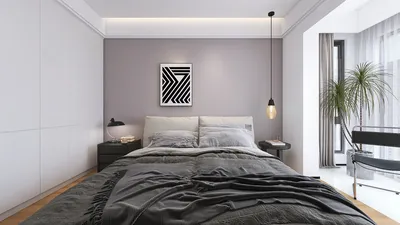


Over the past ten years, I’ve focused on designing compact apartments for clients who maximize every square inch. Effective small-space design prioritizes functionality without compromising quality of life. The most successful designs result from a careful balance of light, storage, circulation, and acoustics, alongside practical limitations. Many recent projects show that adjusting lighting layers can dramatically influence how spacious a room feels, emphasizing the importance of a thoughtful approach—like using tools such as Homestyler for layout planning.
Research consistently supports this perspective. Insights from Gensler reveal that well-illuminated environments enhance perceptions of effectiveness and satisfaction, similarly applicable in residential settings where good task and ambient lighting can alleviate visual fatigue and the feeling of overcrowding. In addition, the WELL v2 guidelines recommend lighting levels of 300–500 lux for everyday residential activities and stress the importance of eliminating glare through appropriate shielding and dimming, vital in small apartments where fixtures are closer to eye level (further guidance is available at wellcertified.com). These principles resonate with my observations: balanced, glare-free lighting transforms compact spaces into more open environments throughout the day.
The impact of color psychology is equally significant. An overview from Verywell Mind highlights that lighter and cooler colors create a sense of openness and tranquility, while vibrant hues can either invigorate or constrict visually, depending on their application. In my designs, I prefer to distribute saturation broadly across rugs and artwork while employing low-light reflective neutrals for walls and large surfaces. This approach results in a bright, expansive atmosphere that retains character without overwhelming visual distraction, especially when utilizing tools like Homestyler for precise color placement.
Plan the Flow First
In compact apartments, circulation is a crucial design element rather than an afterthought. I begin by outlining primary pathways—connecting doors to windows, kitchens to dining areas, and bedrooms to bathrooms—ensuring these routes are well-protected. Maintaining a width of at least 30 to 36 inches keeps the flow clear and prevents furniture from dominating the space. If you're experimenting with layouts, consider using a room layout tool like Homestyler to test clearances and sightlines before final decisions are made.
Use Verticality and Zones
When horizontal space is restricted, it’s essential to utilize vertical dimensions. Building upwards with storage solutions up to 8 to 9 feet, where ceiling heights permit, and creating distinct zones through variations in ceiling levels, light temperature, or flooring types instead of walls can enhance spatial perception. Personally, I utilize a warm 2700K light in lounging areas and a neutral 3500-4000K layer in workspaces to subtly delineate these areas without the need for physical partitions. Furthermore, higher storage should accommodate less frequently used items, while everyday shelves should be positioned between 24 to 60 inches from the floor for accessibility and to reduce hazards.
Furniture That Transforms
The cornerstone of small living solutions is multifunctional furniture, but it’s crucial to select features that you’ll genuinely use. Options such as wall beds that incorporate desks, lift-top coffee tables, nesting side tables, and drawer-equipped banquettes are effective choices. The ideal ergonomic configuration includes seating heights of 17 to 19 inches and work surfaces at 28 to 30 inches, maintaining an 18-inch knee clearance for dining benches. Avoid selecting furniture deeper than 38 inches unless it serves a dual purpose, like storage or converting to guest sleeping arrangements.
Light: Layer, Dim, and Control Glare
My goal is to implement three layers of lighting: ambient (from ceilings or wall washes), task (under-cabinets, reading lights), and accent (art illuminations, coves). Following IES recommendations, I focus on achieving the appropriate task lighting near counters and desks, while also including dimmers to manage contrast during nighttime. Shielding light sources helps avoid visual chaos caused by direct views and window reflections; a helpful rule is that if you can see the LED diode, you will likely experience glare. Utilizing diffusers and indirect washes enhances the spatial experience visually.
Color Strategy That Opens Space
Maintaining a cohesive color palette across major surfaces is essential for creating a seamless visual continuity. Low-contrast base tones diminish the perception of edges, contributing to an impression of increased space. Introduce contrasts strategically where functional emphasis is required—such as on the backs of open shelves, entryways, or inside window alcoves. Matte finishes minimize shiny reflections while concealing imperfections, with satin finishes in kitchens and bathrooms striking a balance between maintainability and softness. If you appreciate darker colors, restrict their application to lower areas (like rugs and low cabinets) to ground the space while avoiding a diminutive effect.
Acoustic Comfort in Tight Quarters
In small environments, noise can quickly become an issue—whether it’s phone calls, appliances, or outside disturbances. Enhancing acoustics can be achieved by incorporating soft materials, such as wool rugs, lined curtains, fabric-wrapped pinboards, and upholstered dining chairs. Aim to cover at least 25-35% of wall space with soft textures in studio apartments. Other crucial strategies include adding door sweeps and weather-stripping, which significantly improve sound isolation, while partially filled bookcases can act as sound diffusers. When it comes to kitchens, opt for low-sone range hoods and dishwashers to enhance perceived luxury due to a quieter atmosphere.
Kitchen Efficiency in Minimal Footprints
In extremely small apartments, galley and L-shaped layouts are often more effective than U-shaped ones as they maintain better circulation. Ensure there’s a minimum of 42 inches between opposing countertops—48 inches if the space will be shared frequently. Utilize full-height pantries that are 12-18 inches deep instead of wide base cabinets, as height can beat dark, cavernous drawers. Under-cabinet lighting set at 3000-3500K with a high color rendering index supports good color differentiation essential for food prep while keeping counter areas bright without causing glare.
Bedroom That Breathes
Consider elevating the bed to unlock storage opportunities and enhance circulation. I recommend employing drawers under the bed on only one side, preserving access on the opposite side; having drawers on both sides may push the bed too close to walls. In ultra-compact spaces, headboards with integrated shelving can replace nightstands. Utilize blackout shades layered with sheer curtains, while sealing light leaks at 1-2 inches around edges with side channels to combat early morning light.
Entry and Storage Tactics
Creating an immediate sense of calm begins right at the entryway. A 12 to 16-inch deep console table with enclosed storage effectively collects clutter. Incorporating a ceiling-mounted coat rail and closed bins situated above seven feet assists in managing out-of-season items. Within closets, aim for a double-hung configuration of two sections of 40 inches each, plus a 12-inch shelf above; shoe drawers should be 10-12 inches tall to prevent piles. Standardizing the finish of all visible closet surfaces maintains cohesion and avoids visual fragmentation when doors are opened.
Small Bathroom, Big Moves
Employing wall-hung vanities lightens the footprint and enhances floor cleaning efficiency. Position medicine cabinets recessed between wall studs, and extend wall tile or paint to the ceiling to elongate vertical lines. Opt for pocket or barn doors to reclaim up to 10 square feet of space lost to door swings. Utilizing a single large-format wall tile minimizes grout lines and noise—a touch of texture can be introduced with towels and a single feature wall, avoiding multiple competing patterns.
Material Choices and Sustainability
Select durable, low-maintenance finishes with authentic textures such as oiled wood, low-pattern porcelain tiles, and performance fabrics with high double-rub counts. Aim for low VOC levels to promote health, especially in compact areas where these concentrations can increase quickly. If you're seeking a comprehensive database of vetted materials and innovative references, Material ConneXion's resources offer valuable benchmarks for evaluating durability and sustainability.
Daylight, Mirrors, and Visual Tricks
Optimize window-to-wall contrast by ensuring surrounding walls are kept light and surfaces remain matte. Position mirrors at right angles to windows, avoiding placement directly across to maximize light penetration without causing glare. One large mirror can provide a more calming effect than several smaller options. For low ceilings, keep window treatments within the frame; if possible, mount them higher to create an illusion of added verticality. Using low-profile track or surface-mounted lighting preserves ceiling height by eliminating intrusive cans.
Technology and Hidden Wiring
Small spaces can quickly become cluttered with cables. Strategically pre-plan electrical outlets situated 30-60 inches above the floor behind shelving, and incorporate floor boxes beneath sofas as feasible. Opt for compact Wi-Fi routers and conceal hubs within ventilated cabinets. Utilizing smart dimmers with scene control facilitates transitions in studio spaces, transforming them from work to dining to relaxation seamlessly.
Layout Prototyping Before You Commit
When uncertainty arises about the orientation of a sofa or bed, I find it useful to set up mock-ups using painter’s tape and cardboard to explore reach and sightlines over the course of a week. Alternatively, you can also validate options virtually through an interior layout planner that allows you to reposition walls, doors, and furniture, assessing circulation under various conditions—an invaluable feature that can be offered by tools like Homestyler.
Maintenance and Edit Discipline
In the smallest living spaces, maintaining organization relies on routine rituals: executing a quick five-minute nightly reset, conducting a monthly review to eliminate duplicates, and performing a seasonal assessment of furniture. If you’re not utilizing a transforming mechanism on a weekly basis, it’s worth reevaluating its necessity; infrequent use often translates to clutter disguised as complexity. Opt for finishes that are simple to repair and components that are standardized to prevent visual inconsistency from replacements.
FAQ
Q1: What lighting levels work best for compact apartments?
A1: Aim for 300-500 lux on work areas and reading spaces, complemented by dimmable ambient light providing around 100-200 lux in the evening. This aligns with WELL v2 recommendations for balancing task and ambient lighting while mitigating eye strain from glare.
Q2: Which colors make a small room feel larger without going all-white?
A2: Employ low-saturation, mid-to-high light reflectance value neutrals (such as warm grays or soft taupes) on large surfaces, then introduce color through art and textiles. Cooler light neutrals contribute to a visually expansive effect, enhancing perceived depth according to color psychology insights.
Q3: How can I reduce noise in a studio without adding thick panels?
A3: Layer soft finishes like wool rugs, lined curtains, fabric-wrapped pinboards, and upholstered dining chairs. Address door perimeter gaps and add sweeps. Similarly, partially filled bookcases can serve as effective sound diffusers while enhancing speech privacy.
Q4: What’s the most space-efficient dining setup?
A4: Opt for a wall-adjacent banquette featuring a 24-27 inch deep bench alongside a table height of 30 inches with dimensions between 30-34 inches deep. A flip-up leaf can accommodate occasional guests, with storage drawers beneath the bench for seldom-used items.
Q5: How do I choose multifunctional furniture I’ll actually use?
A5: Focus on mechanisms that align with your regular habits: if you work from the sofa, consider a lift-top coffee table, or if you frequently host overnight guests, a wall bed with an integrated desk may be ideal. Test the mechanism in-store and ensure there’s a clear 30-36 inches around operational areas.
Q6: Any tips for tiny kitchens that still cook well?
A6: Stick to either a galley or L-shaped layout with at least 42 inches of clearance between surfaces, favoring full-height pantry storage of 12-18 inches deep over wide base cabinets, and utilize under-cabinet lighting set to 3000-3500K with a high color rendering index for effective food preparation while maintaining a glare-free workstation.
Q7: What’s the best mirror placement to make a room feel bigger?
A7: Position mirrors perpendicular to windows to reflect light further without creating contrary glare. One large mirror is advisable, as it avoids fragmentation compared to several smaller mirrors.
Q8: How do I handle cable clutter in a small living room?
A8: Plan for outlets behind shelving at mid-height, incorporate a floor box under the sofa, and direct all power into a ventilated cabinet with cord grommets. Smart dimmers can help centralize control and reduce visible cord tangles.
Q9: What’s the minimum clearance around a bed?
A9: Ideally, aim for 24 inches of space on the least-used side and 30 to 36 inches on the main side. If space gets tight, utilize a headboard with shelves to eliminate the need for nightstands, freeing up floor space.
Q10: Are dark walls ever okay in small apartments?
A10: Yes, dark shades can be used strategically on accent walls away from windows or on lower thirds (cabinets, rugs). Ensure that ceilings and adjacent walls remain light to maintain an airy feel and enhance daylight reflection.


Homestyler is your go-to online home design platform! With its user-friendly design tool, stunning 3D renderings, and an array of inspiring design projects and video tutorials, you can effortlessly create your dream space. Transform your ideas into reality—explore, design, and learn with Homestyler!
تصميم الآن مجانا
































