


Designing living rooms in warm and humid climates demands an emphasis on space efficiency and airflow. In homes across the Philippines, a well-crafted sala benefits from natural light, effective cross-ventilation, and strategically chosen furniture that justifies its presence. By keeping layouts streamlined and utilizing materials that withstand salt air, you can enhance daily comfort without exceeding your budget.
Thoughtful selections are crucial. The WELL v2 guidelines indicate that visual comfort—comprising glare management, suitable illumination, and accurate color representation—significantly contributes to wellbeing. Task lighting set between 300 and 500 lux, along with warm-white bulbs in the 2700–3000K spectrum, fosters a relaxing evening atmosphere while enhancing reading clarity. Studies by Steelcase reveal that optimized environments elevate focus and satisfaction, underscoring how minor adjustments in lighting and clear sightlines can profoundly influence daily living. To effectively plan furniture placement and traffic patterns in compact salas, employing a room layout tool, such as Homestyler, allows you to visualize seating and circulation before making any purchases.
Factors like humidity and salt air heavily influence material selection. I lean towards breathable fabrics and durable solid wood, steering clear of overly plush upholstery that may trap moisture. Although natural light is plentiful in the Philippines, the intense midday sun necessitates some control; sheer curtains can help filter the light, while bamboo blinds offer more substantial shade and texture. According to IES guidelines, creating balanced ambient lighting reduces glare and contrast; combining dimmable ceiling lights with table lamps helps alleviate eye strain, keeping rooms comfortable during the evening hours.
Establish a Calm, Adaptable Layout
To start, focus on a primary seating axis, positioning a sofa opposite the focal wall, then consider adding a single accent chair as long as circulation routes remain unobstructed. In smaller condominiums, I suggest maintaining a minimum of 750-900 mm between the door and the sofa edge and ensuring at least 450 mm between the coffee table and seating for easy access to knees and trays. When evaluating options like an L-shaped sofa or nesting tables, a quick exploration with an interior layout planner—such as a design visualization tool like Homestyler—can help avoid overcrowding and determine appropriate proportions.
Maximize Tropical Light While Reducing Glare
Natural lighting in the Philippines can be quite generous; however, achieving a balance is key. Layer your lighting sources: employ a soft ceiling wash, incorporate a mid-level floor lamp, and position a small task lamp near reading areas. Warm-white lamps in the 2700–3000K range create a cozy nighttime atmosphere; during the day, sheer curtains can diffuse harsh sunlight that hits glossy surfaces, reducing glare on screens. If a west-facing window floods the sala with sunlight at 4 p.m., adjust seating to face away from the direct sun while utilizing textured fabrics—like piña-inspired weaves or blends— to gently disperse incoming light.
Select Breathable Materials
Opt for upholstery that is airy and quick-drying—consider cotton-linen blends or performance fabrics that are mildew-resistant. Solid wood or rattan are durable choices that require regular dusting, while powder-coated metal frames withstand coastal corrosion. Keep finishes matte to minimize glare and fingerprints. For your flooring, a flatweave jute or abaca rug can provide traction without retaining heat; during particularly humid months, a small washable cotton rug can be a practical choice.
The Psychology of Color: Soft Neutrals with Inviting Accents
Homes in the Philippines thrive on color palettes that reflect the surrounding lush greenery and expansive blue skies. Opting for soft neutrals such as sand, shell, and light gray on the walls establishes a calming base; muted blues and sea-glass greens can uplift mood without creating visual chaos. Insights from Verywell Mind on color psychology suggest that cool tones like blue promote tranquility, while greens convey balance—incorporate these colors into cushions, artwork, or a single accent chair. Strive for a gentle contrast, as high-contrast black and white combinations can seem stark in strong sunlight.
Clever Storage Solutions That Serve as Decor
Maintaining a tidy living area involves integrating storage options that harmonize with the layout. A low, ventilated media console prevents excessive heat from routers and set-top boxes. Utilize woven baskets that can slide under benches to stow toys or remotes. Wall-mounted shelves, positioned within a 600-900 mm vertical band above the sofa, can hold lightweight decor and small books; I avoid heavy items above seating areas in earthquake-prone locations and prefer distributing weight closer to structural studs.
Enhancing Acoustic Comfort in Tile and Concrete Structures
Many homes in the Philippines feature hard surfaces that amplify sound. To dampen echo, I introduce: a flatweave rug that extends just beyond the coffee table’s footprint, upholstered seating with soft fabric backs, and lined curtains. Broad-leaf plants are effective at absorbing sound while also contributing to air quality. Position TV speakers to angle inward and away from corners to mitigate boomy reflections.
Ensure Breezy Cross-Ventilation
Arranging seating so pathways between windows and doors are kept clear promotes airflow. Opting for low-profile furniture minimizes obstruction to circulation; even a slim-legged sofa enhances airflow compared to bulkier designs. In instances where windows are singularly positioned on one side, setting a ceiling fan to rotate counterclockwise in the summer can help push air down while pairing it with a small portable fan near the entrance to facilitate air exchange.
Smart Furniture Strategies for Small Spaces
Nesting tables are preferable to a large coffee table. A bench with a slim cushion can also act as additional seating or a drop-off for bags. Select sofas with raised legs to reveal more floor space, thus creating a less visually crowded environment—lengths around 1.8–2.0 m work well for smaller condominiums. Avoid deep chaises unless circulation allows for it; therefore, utilizing a layout simulation tool, such as Homestyler, prior to final decisions is prudent.
Incorporate Natural Textures and Local Craftsmanship
Incorporating local materials like rattan, abaca, and bamboo contributes to a space's identity and breathability. By blending one standout piece—a woven lounge chair—with simpler accessories, you can maintain a cohesive palette. Periodically oiling wood and utilizing removable slipcovers can greatly extend the durability of furnishings in humid environments.
Create Lighting Scenes for Day and Night
Establish three distinct lighting scenes: bright for general cleaning or gatherings, everyday for a mix of ambient and task lighting, and a calming setup utilizing only lamps. Strive for targeted task illumination near seating and artwork at 200-300 lux, while ambient lighting should range from 150-200 lux in the evening to aid relaxation. Dimmers allow for seamless transitions, and warm filament-style LEDs add character without generating excess heat. For more detailed standards and insights regarding illuminance and glare, refer to IES guidelines.
Quick, Effective Budget Refreshes
Replace heavy curtains with sheer alternatives, add a flatweave rug, and upgrade two lamps to warm-white LEDs—these three changes can instantly enhance acoustics, lighting, and overall ambiance. Reorganizing seating can improve sightlines to greenery or balconies. Introduce one significant piece of artwork or a mirror to anchor the space; light-toned frames are advisable to mitigate heat absorption.
Maintenance Techniques for Humid Seasons
Aim to ventilate your room daily, even for just ten minutes. Wipe down rattan or wood surfaces with a damp cloth, ensuring they dry immediately afterward. Rotate cushions regularly to avoid damp accumulation. Place a small tray for keys and sanitizer near the entrance to help maintain an organized sala.
To make well-informed design choices, I reference the WELL v2 guidelines for benchmarks on visual comfort and rely on Steelcase insights to understand the relationship between environment and performance. These references confirm a crucial premise: when elements of light, layout, and materials align with human activity, even small living areas can feel more spacious, tranquil, and functional.
FAQ
Q1: What lamp color temperature is ideal for a cozy Philippine living room?
A: Warm-white LEDs within the 2700–3000K range create a comfortable evening ambiance and pair wonderfully with tropical materials. Consider brighter neutral-white (3000–3500K) bulbs for task areas if reading is a regular activity.
Q2: How much spacing should be maintained between the sofa and coffee table?
A: Maintaining approximately 450 mm ensures adequate space for knees and for safely placing trays. In more restricted salas, nesting tables offer flexibility in adjusting that distance as needed.
Q3: What are effective ways to reduce glare from the afternoon sun?
A: Layer sheer curtains with bamboo blinds, opt for matte finishes, and angle your seating away from direct rays. Additionally, introducing a floor lamp can help balance contrast when blinds are drawn.
Q4: Which materials perform well against humidity and mildew?
A: Cotton-linen blends, specialized performance fabrics, rattan, solid wood, and powder-coated metal are excellent choices. It’s best to avoid thick foam that lacks breathable coverings.
Q5: Any layout strategies for small condos with a single window?
A: Keep pathways for airflow clear, utilize slim-legged furnishings, and evaluate arrangements with a layout simulation tool like Homestyler to ensure unobstructed circulation.
Q6: How can I enhance acoustics in homes with tile floors?
A: Introduce a flatweave rug, opt for fabric-backed seating, use lined curtains, and incorporate large-leaf plants. Position speakers to face inward and avoid corners to minimize booming sounds.
Q7: Which colors evoke calmness without being dull?
A: Soft neutrals such as sand, shell, and light gray paired with subtle blues or greens work beautifully. These shades are linked to tranquility and balance, ideally complementing natural textures.
Q8: Are ceiling fans sufficient for comfort?
A: Absolutely, set to rotate counterclockwise during warmer months to direct airflow downwards. Combining this with cross-ventilation or a discreet portable fan can enhance comfort levels in the room.
Q9: What’s the quickest and most effective budget update?
A: Transitioning to warm-white LEDs, incorporating sheers, and adding a flatweave rug can transform the space rapidly. Repositioning seating can also help draw attention to greenery or outdoor vistas.
Q10: How can I maintain a clutter-free sala?
A: Employ low media consoles with proper ventilation, slip baskets under benches for toys, and establish a dedicated tray at the entry for keys and sanitizers. Limit open shelving to delicate decor within a safe reach.
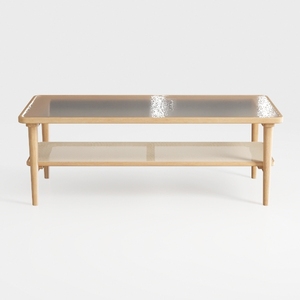
VECELO Coffee Table with 2-Tier Storage Shelf X-Fr


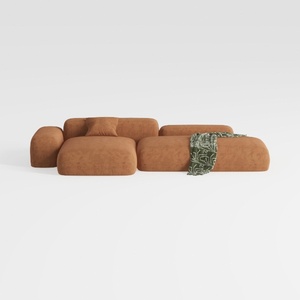
Minimalist Brown Fabric Modular Sectional Sofa 3D Model
Homestyler is your go-to online platform for effortless home design. With its user-friendly design tool, impressive 3D renderings, and a plethora of inspiring project ideas and DIY video tutorials, transforming your space has never been easier. Unleash your creativity today!
Desain sekarang Gratis
































