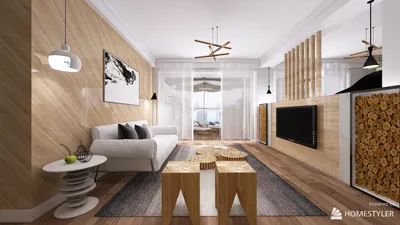


Having designed and revamped numerous double-bed hotel rooms in various environments such as urban hotels, resorts, and roadside accommodations, I've found that successful spaces share several key characteristics: serene acoustics, logical movement pathways, layered lighting designs, and robust materials that still convey a home-like feel. Guests often recall the quality of their sleep and the ease of navigating the space, which is why every detail must serve a purpose without being overwhelming. Incorporating a tool like Homestyler can greatly assist in visualizing these elements during the design process.
Recent evaluations of post-occupancy experiences have shown tangible benefits when adhering to established standards. The WELL Light concept suggests achieving vertical light levels suitable for the eyes, which helps maintain circadian rhythms; specific task lighting of 300–500 lux near the headboard and desk, combined with warm ambient layers of around 2700–3000K, continually enhances guest satisfaction ratings when it comes to reading and relaxing. Research from Gensler highlights that intentional spaces for focus and recovery significantly enhance perceived comfort and control—both vital factors for encouraging return visits and favorable reviews. When it comes to color, findings from Verywell Mind recommend incorporating warm neutrals and muted greens to alleviate stress and enhance relaxation, making a strong argument against overly vivid accent walls in smaller double rooms.
Beyond lighting, spatial planning is crucial for ensuring comfort. In a double-bed configuration, I aim for a minimum of 36 inches (915 mm) clear space at the foot of each bed and 30 inches (760 mm) on either side; these dimensions adhere to human factors guidelines for luggage passage and mobility. For rooms smaller than 270 square feet (25 m²), I prefer wall-mounted nightstands and integrated lighting in the headboard to save on floor space. Using design visualization tools like Homestyler helps replicate clearances, luggage areas, and cleaning routes to validate day-to-day functionality and maid service pathways.
Functional and Effective Layered Lighting
Guests tend to read, snack, work, and unwind in a constrained area, necessitating distinct lighting layers. I usually combine dimmable ceiling ambient lighting with indirect cove or valance lights to minimize shadows between beds. Headboard-mounted reading lights offering 300–500 lux and a Color Rendering Index (CRI) of 90+ ensure that colors remain true for personal grooming and outfit checks. Soft nightlights situated near toe-kicks or under the bed at temperatures cooler than 3000K aid in reducing melatonin disruption during night-time movements. I adhere to IES guidelines to manage glare effectively using diffused lenses and baffled trims, creating a calming atmosphere reminiscent of boutique hotels rather than glaring box stores.
The Bed Wall as a Visual Focal Point
The wall where the bed is located serves as the visual centerpiece. Typically, I opt for a tall, upholstered headboard panel that stretches across both beds, promoting cohesion and protecting the wall from scuffs. A headboard height of 52–56 inches (132–142 cm) appears generous without being overpowering. Ensuring integrated power sources on each side—at least two outlets and two USB-C ports per bed—eliminates the need for frantic searches for charging options. I prefer large, singular artwork instead of a gallery-style display to declutter visual space. The choice of materials tends toward matte finishes such as wool blends, performance fabrics, or faux leather with over 100,000 rubs for durability.
Navigating Circulation, Storage, and Luggage Solutions
When two guests are present, storage for their luggage becomes vital—potentially accommodating up to four bags. I design dedicated luggage racks or benches for each bed, ideally at least 24 inches wide, while providing a 36-inch corridor from the entry to the window. Open wardrobe-style closets in compact double rooms work best, featuring full-width shelves, a hanging drop of 42 inches, and a pull-out laundry bag. Strategically placed drawers under the bench or a shallow dresser help maintain tidiness. Housekeeping efficiency improves with furniture elevated off the floor and accessible power sources; as a result, the space appears neater and is easier to clean.
Desks vs. Versatile Surfaces
Not every visitor requires a traditional desk. I frequently transition to a console measuring 48–54 inches paired with a mobile ottoman and task chair tucked underneath. This multifunctional setup can serve as a makeup station, a temporary office, or a coffee station all in one design. If a desk is necessary, maintain a depth of 24 inches alongside sufficient task lighting and a power strip along the surface for user convenience. Keep in mind the reach dimensions: sockets positioned 15–18 inches above the finished floor are easier to access for all ages.
Acoustic Comfort: A Vital Aspect
Noise can quickly lead to negative reviews. In my designs, I prioritize STC 50+ soundproofing where construction permits, along with acoustic panels behind headboards to diminish sound travel between rooms. Soft furnishings play a crucial role; utilizing thick area rugs or inset carpets between beds, curtains that meet at minimum 70% fullness, and upholstered seating contribute to noise reduction. I avoid placing headboards directly against party walls where mechanical systems are located; instead, I guide those installations away from shared walls or implement resilient channels. Door sweeps and gasketing in corridors help minimize sound disturbances from rolling luggage during nighttime.
Key Bathroom Features Noticed by Guests
In double rooms, mirror time is a shared experience for two individuals. I specify lighting with a CRI of 90+ on either side of the mirror at 3000–3500K, supplemented by backlit mirrors to ensure consistent face illumination. Utilization of hooks doubles the functionality: two robe hooks near the shower, and two by the vanity, along with an open shelf for shared items. Floors are selected for slip-resistance, using matte porcelain with a DCOF ≥ 0.42 when wet. If space permits, separating the water closet enhances the luxury experience and expedites morning routines.
Utilizing Color Psychology for a Calming Ambiance
I've phased out high-saturation accent walls in compact accommodations. Softer taupes, mushroom hues, and shades of sage or eucalyptus greens create a calming environment; corroborated by insights from Verywell Mind, these palettes work effectively to decrease anxiety levels. Texture offers contrast rather than vibrant colors—employing slub linen drapes, ribbed wooden panels, or boucle fabrics at the bed bench to maintain interest. Warm satin metals such as champagne, light bronze, or brushed black add an elegant touch. Countertops in sintered stone or quartz with subtle veining conceal wear and cleaning marks well.
Contemporary Touches for 2024-2025
- Inclusion of wireless charging pads in nightstands and headboard niches, featuring USB-C ports.
- Multi-functional lighting options with scenes labeled "Arrive," "Read," "Night," and "Desk" controlled by a simple four-button keypad that guests can easily navigate.
- Compact soft seating options (with a footprint of 28–30 inches) rather than oversized lounge chairs, combined with a nesting table that can serve as a laptop stand.
- Art initiatives showcasing local artists—either a striking piece per bed wall or a panoramic artwork above the console to keep sightlines uncluttered.
- Durable fiber-backed wall coverings or easily cleanable paints to maintain a polished appearance without gloss.
Efficient Micro-Layouts with Significant Impact
In compact rooms, I prefer having a single shared nightstand placed between beds, complemented by a slim wall-mounted shelf on each outer side. Wall-mounted sconces free up surface space for personal items like glasses and phones. Utilizing under-bed drawers or multi-functional lift-up platforms optimally incorporates storage for extended stays. If exploring alternatives, consider positioning beds at a 90-degree angle to the window wall; this sometimes reveals a straighter entryway and ensures better TV visibility. A quick assessment using interior layout planner tools, like a room design visualization application, assists in confirming spatial requirements before final decisions are made.
Frictionless Guest Technology Integration
Keep user controls straightforward. Standard rocker or push-button scene settings outperform app-dependent systems. Incorporating bedside air conditioning controls minimizes the need for midnight walks to the main unit. TVs positioned at 42–48 inches from the floor with swivel mounts allow an unobstructed view from both beds; don’t forget to include a cable channel to hide unsightly wires. Ensure at least one universal outlet at the console for international patrons.
Prioritizing Housekeeping Efficiency and Durability
I am committed to designs that support quick turnarounds. Fabrics with removable and washable slipcovers on benches, stain-resistant performance textiles rated for over 100,000 rubs, and quartz surfaces diminish wear and tear. Raised bases on nightstands (4–6 inches) allow for speedy vacuuming. Rounded edges on bed frames protect shins—alongside this, hardware with concealed fasteners reduces losses and simplifies replacement processes.
Minor Adjustments with Major Effects
- Incorporate under-bed motion sensor nightlights.
- Divide blackout and sheer curtain tracks to let guests precisely control light exposure.
- Create a designated shelf for tea and coffee, complete with a tray to organize clutter.
- Ensure mirrors are large and vertical; this offers an illusion of spaciousness and simplifies grooming for guests of differing heights.
Common Questions
Maintain a minimum of 36 inches at the foot and 30 inches on the sides for effective luggage and cleaning access. In spacious rooms, 42 inches at the foot enhances the experience.
Utilize warm ambient lighting at temperatures of 2700–3000K for relaxation; at the vanity, opt for 3000–3500K for accurate skin tone representation. Task lighting of 300–500 lux with a CRI over 90 promotes reading without straining the eyes.
Keep color schemes understated. Muted greens and warm neutrals help minimize visual clutter and anxiety, creating a more tranquil and expansive feel.
Prioritize STC 50+ wall assemblies where feasible, integrate resilient channels, use upholstered headboards against partition walls, and ensure corridor doors are sealed with sweeps and gaskets. Layering rugs and heavy drapes within the room also contributes to sound dampening.
Not always necessary. A console measuring 48–54 inches accompanied by hidden seating can provide a makeup area, snack station, and laptop space, optimizing functionality while saving space.
Integrate two power outlets and two USB-C charging ports per bed into the headboard or nightstand. Ensure these remain accessible without needing to rearrange furniture.
Position the TV's centerline around 42–48 inches above the floor and utilize a low-profile swivel mount so both beds enjoy clear visibility.
Choosing fabrics such as performance chenille or boucle for benches, wool-blend carpets, and quartz or sintered stone countertops, as well as fiber-backed wall coverings, establishes the right balance of softness and durability.
Install focused reading lights providing tight beams and under-bed or toe-kick nightlights with warm hues that respond to motion detection or bedside scene controls.
Incorporating under-bed drawers for extended stays and dedicated luggage storage per bed promotes tidy floors and improves cleaning efficiency.
Utilize a room layout tool to simulate clearances and furniture positioning, ensuring suitable pathways for luggage, cleaning tasks, and television sightlines prior to making commitments.
Commonly, improvements in bedside power convenience, user-friendly lighting presets, separation between blackout and sheer curtains, and quieter door mechanisms are quickly reflected in guest feedback, typically within weeks of implementation.

Minimalist Solid Oak Square Coffee Table 3D Model
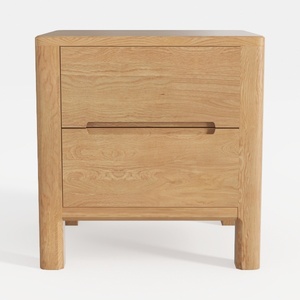
Minimalist Solid Oak Wood 2 Drawer Nightstand 3D Model

Mid Century Modern Solid Oak Nightstand with Single Drawer 3D Model
Homestyler is your go-to online home design platform! It features an easy-to-use design tool, stunning 3D renderings, and a plethora of inspiring design projects. Plus, with engaging video tutorials, you can unleash your creativity and effortlessly transform any space into your dream home.
Design jetzt kostenlos
































