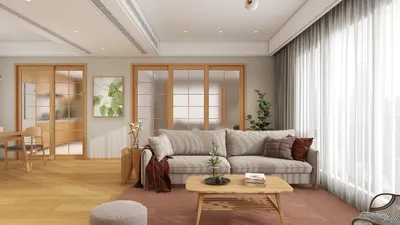


When designing banquet halls, I prioritize guest comfort right from the entry, ensuring that jackets aren't draped over chairs, avoiding stuffy air, and utilizing lighting that enhances both attendees and the overall décor. Achieving optimal air conditioning is only part of the equation; it's crucial for the space to effectively handle heat generated by guests, lighting, and catering while maintaining coherence in visual appeal and sound quality. Research by Steelcase reveals that even minor deviations in thermal comfort, around 1–2°C, can significantly influence guests' perceived comfort and performance, significantly impacting satisfaction levels during lengthy events. The WELL v2 standards further stress the interconnectedness of thermal comfort, lighting, and acoustics, advocating for a comprehensive approach to banquet hall design, similar to the offerings available in Homestyler.
Understanding the numbers involved is essential to shape the design brief. For seated roundtable events, average occupancy varies from 10 to 15 square feet per person; thus, a hall sized at 5,000 square feet can accommodate approximately 330 to 500 guests, depending on the chosen table sizes and staging requirements. Lighting recommendations suggest aiming for 100 to 200 lux for ambient settings, while accent layers should increase to between 300 to 500 lux on focal features, in line with IES recommendations for hospitality environments. Concerning HVAC systems, cooling loads can escalate rapidly; when hosting 500 guests, the sensible heat produced by attendees alone can surpass 60 to 70 kBTU/h. These foundational metrics guide air distribution, diffuser quantities, and zoning to ensure comfort across the space, avoiding significantly hot areas on the dance floor or chilly drafts near the entrances. For additional details on comfort and performance relationships, it’s worthwhile to consult the WELL v2 guidelines and IES lighting standards.
Establishing the Thermal Framework
Air conditioning extends beyond mere capacity; it’s about effective delivery. I choose low-noise, high-induction diffusers for circulation areas and perimeter returns to draw out heat from equipment and the outer walls. In rooms with ample ceiling height, a stratified air management strategy keeps cooler air where guests are while allowing heat to disperse above. For expansive venues, I recommend 3 to 5 independently controlled climate zones to manage uneven heat distribution, such as the dance floor, dining, performance stage, and pre-event areas. Additionally, I create thermal barriers in kitchen and loading dock areas, utilizing dedicated exhaust systems and vestibules to thwart warm, moist air from infiltrating the main hall. Energy-efficient chillers and economizers are efficient ways to reduce energy use during transitional seasons while maintaining guest comfort.
Assessing Guests, Equipment, and Lighting Requirements
A reliable cooling strategy begins with a detailed load schedule that accounts for guest count (whether seated or dancing), kitchen equipment BTUs, audiovisual setups, and lighting considerations. I advise placing equipment rooms away from the main venue and incorporating active ventilation or split systems to prevent heat transfer from AV closets. The lighting load can be effectively managed with LED systems and digital dimming options, often resulting in a reduction of 40 to 60% in wattage per square foot compared to older lighting technologies; minimizing heat output at the source leads to steadier cooling demands during events such as speeches or meals when lighting levels are reduced.
Designing Space for Airflow and Movement
Encouraging air movement is pivotal in combating both heat buildup and CO₂ accumulation in densely populated settings. I position seating away from direct airflow from supply diffusers to prevent unwelcome drafts, while strategically placing high-throw diffusers above aisles and dance areas. For versatile events such as weddings or galas, I emphasize modular designs with buffer zones surrounding stages and buffet setups to prevent heat transfer onto seated guests. If determining table configurations and circulation routes, employing a layout planning tool can expedite the process of testing various options and pinpointing congestion areas or conflicts with air diffusers: consider using a room layout tool like Homestyler.
Lighting to Set the Atmosphere While Keeping Cool
Setting ambient lighting at 100 to 200 lux creates a calming ambiance, sweetened by utilizing a warm white range of 2700 to 3000K that enhances skin tones, while emphasizing focal points like the podium or cake at 300 to 500 lux with narrower beams. Implementing layered lighting assists the air conditioning system by ensuring that lowering the lighting intensity reduces heat generation, which helps maintain a stable temperature. I also manage glare through well-designed downlights and grazing accents on surfaces, opting for dimming technologies like DMX or DALI to create nuanced settings for cocktails, dining, and dancing phases while avoiding localized hot spots.
The Influence of Color, Material, and Thermal Perception
Utilizing warm color schemes such as terracotta, champagne, and soft neutrals exudes a welcoming vibe under 2700 to 3000K lighting, while cooler colors like sage and deep blues can visually chill a space—an excellent approach for warm climates or summer gatherings. Research from Verywell Mind indicates that colors like blue and green can evoke a sense of tranquility and coolness, which can benefit thermal comfort in crowded settings. Choosing breathable fabrics and drapery with appropriate backing is essential to avoid heat retention; steering clear of high-gloss surfaces near downlights helps mitigate glare and additional heat. Opting for stone or terrazzo flooring can facilitate thermal regulation, stabilizing temperatures as guest counts vary.
Considering Human Factors and Ergonomics in Densely Occupied Spaces
At round tables with a 60-inch diameter, I recommend capping the number of chairs at 5 to 6 for comfort; at 72-inch tables, a maximum of 8 to 10 is advisable, ensuring chair widths of 18 to 20 inches and maintaining clear space of 16 to 18 inches for guests' comfort. Providing 60 to 72 inches between table edges promotes sufficient service paths and ADA compliance for mobility. These dimensions help prevent excessive body heat accumulation while facilitating air circulation. Additionally, I situate heat-emitting buffet stations away from the most heavily occupied areas and refrain from staging pyrotechnics beneath low vents.
Acoustic Comfort as an Essential Element of Cool Perception
Excessive noise within a hall can lead to increased stress levels among guests, often resulting in a warmer sensation. I strive for an RT60 reverberation time of between 0.8 and 1.2 seconds for expansive dining rooms by incorporating sound-absorbing ceilings, upholstered wall panels, and soft finishes covering at least 25 to 35% of the surfaces. An HVAC system with low-noise characteristics (NC 30 to 35) ensures clarity of speech while eliminating the discomfort associated with prevalent cold wind noise. Positioning air handlers strategically away from key listening areas and utilizing lined ducts alongside vibration isolation mechanisms helps prevent disruptive sounds in the ballroom.
Establishing Zoning, Controls, and Specific Event Modes
I configure three operational modes: Pre-Event (for cooling down with a boost in ventilation), Dining (for steady comfort with reduced fan speeds), and Party (for heightened ventilation along with a slightly lower temperature setting to counteract the heat generated by dancing). CO₂ and temperature sensors oversee demand-controlled ventilation, while occupancy sensors trigger automatic adjustments after events. Implementing a 0.5 to 1.0°F deadband avoids frequent cycling, which can result in sudden cool bursts that disturb guests. Moreover, I ensure that staff can easily access an intuitive panel for rapid overrides, eliminating the need to navigate through concealed BMS menus during key moments, such as toasts.
Optimal Placement of HVAC Systems and Maintaining Aesthetic Appeal
To uphold the elegance of ceilings, I select architectural grilles, linear slots, or integrated coves. Aligning the rhythm of diffusers with the lighting layout ensures a harmonious visual experience. Wherever ductwork must be on display, I choose powder-coated finishes that match the color scheme and adopt spiral ducting with seamless construction to transform mechanical elements into stylish, industrial-chic features.
Creating Clear Thermal Separation and Hygiene in Back-of-House Operations
Effective design requires establishing distinct thermal buffers, such as a dedicated vestibule separating the hall from the kitchen, insulated doors along service corridors, and specialized make-up air provisions for dishwashing operations. Specifying commercial dishwashers equipped with heat recovery capabilities helps mitigate humid air discharge into the main hall. Waste areas should maintain negative pressure with direct exhausts.
Focus on Energy Efficiency, Sustainability, and Operating Costs
Utilizing high-efficiency VRF or chiller systems, energy-efficient fans, and heat recovery ventilation systems significantly decrease peak energy demands. I advise implementing MERV 13 filtration systems designed for low-pressure drop to strike a balance between indoor air quality (IAQ) and energy efficiency. I favor centralized control systems with trend logging to assist operators in identifying event load spikes—like those often seen during exuberant dancing or extensive stage lighting. Regular commissioning and seasonal balancing are imperative, as imbalanced systems can invisibly lead to recurring comfort complaints.
Structured Workflow for Versatile Layouts
I create a collection of pre-approved layouts for capacity scenarios (300, 400, 500 guests) with overlays showcasing diffuser and return placements. During client presentations, I demonstrate how various table arrangements impact comfort and sightlines. A simulation tool for layout designs, such as Homestyler, assists in promptly adjusting staging, buffet placements, and bar setups without obstructing ventilation paths or causing glare issues on visual displays.
Insights from Real-World Applications
In a recent renovation of a 6,000-square-foot venue, we successfully divided the room into four climate-controlled zones and incorporated CO₂-based ventilation management. Feedback from guests indicated improved comfort levels during a gala event with 420 participants, and the event operator noticed a decrease in compressor cycling. Transitioning from halogen to LED lighting not only reduced the overall load but also eliminated hot spots along the head table.
Comprehensive Design Considerations
- Ensure cooling systems are sized for maximum occupancy plus AV and lighting heat loads; confirm diffuser quantity and airflow direction.
- Maintain ambient lighting levels of 100–200 lux; utilize warm color temperatures from 2700 to 3000K; enhance accents at 300–500 lux while managing glare.
- Design seating arrangements with sufficient spacing to facilitate service and airflow; avoid placing direct supply diffusers directly over seated guests.
- Adjust acoustical specifications to achieve an RT60 target of approximately 0.8 to 1.2 seconds; ensure HVAC noise levels are within NC 30 to 35.
- Configure control modes for pre-event, dining, and dance phases; enable systems for demand-controlled ventilation.
- Maintain thermal separation between kitchen and back-of-house areas; implement vestibules and appropriate exhaust systems.
- Commission systems upon project completion and rebalance settings periodically; monitor trends to refine temperature and air quality settings.
References and Further Reading
For evidence-based insights regarding guest comfort and performance, investigating features outlined in WELL v2 is recommended—particularly those focusing on thermal comfort, lighting quality, and air quality at the International WELL Building Institute, alongside IES lighting standards for hospitality. Additionally, the research compiled by Steelcase offers valuable information regarding how environmental factors can shape guest experiences.
Frequently Asked Questions
Q1. What’s the ideal temperature setting for a crowded banquet hall?
A1. I typically initiate dining at around 72°F (22°C) and pre-cool to 70-71°F if an active dance segment is anticipated. Adjustments are made in 1°F increments based on guest feedback and type of event while focusing on maintaining stable airflow instead of sudden cold drafts.
Q2. How many air conditioning zones should a large venue incorporate?
A2. For spaces ranging between 4,000 and 8,000 square feet, three to five zones are typically ideal: dining, dancing, stage, and pre-event areas, with an optional perimeter zone for solar heat gains. Exceeding five zones may complicate control systems without improving comfort levels, especially if diffuser layout isn’t synchronized.
Q3. What lighting levels maintain ambiance without excessive warming?
A3. Aim for an ambient light level between 100 and 200 lux, utilizing LED lights in the 2700 to 3000K spectrum. Specific attentiveness to areas such as podiums or focal features should be heightened to the range of 300 to 500 lux. LEDs combined with dimming reduce both energy consumption and heat generation that guests may feel.
Q4. How can I prevent cold drafts for attendees?
A4. Positioning supply diffusers away from seating areas, implementing high-throw diffusers that mix air before reaching guests, and ensuring a 0.5 to 1.0°F control deadband can all mitigate the risk of cold drafts and unwanted temperature fluctuations.
Q5. Are fabric drapes counterproductive to temperature management?
A5. Not necessarily, provided they are selected judiciously. Choose breathable textiles with light interlining and avoid thick vinyl backings, which can trap warmth. Drapes may also absorb sound, reducing stress and the associated feeling of warmth.
Q6. What role do CO₂ sensors play in banquet hall environments?
A6. In scenarios of dense occupancy, CO₂ levels can rise rapidly. Utilizing demand-controlled ventilation allows for ventilation of fresh air when necessary, enhancing alertness and comfort while preventing overcooling during less active periods.
Q7. How can color schemes affect thermal perception?
A7. Cooler tones such as blue and green typically evoke feelings of freshness and calm, while warm hues create a cozy atmosphere. Under warm white lighting, a well-balanced color palette helps keep the room inviting without contributing to a visually ‘hot’ environment.
Q8. What acoustical standards should I adhere to?
A8. Aim to maintain an RT60 of around 0.8 to 1.2 seconds in dining workflows, while ensuring HVAC noise levels remain at NC 30 to 35. Quality acoustics can reduce vocal strain and the associated stress that contributes to discomfort in heated spaces.
Q9. What’s the most effective strategy to manage heat from audiovisual equipment?
A9. I recommend isolating AV racks in well-ventilated closets or using dedicated split systems. It is vital to keep dimmer racks and amplifiers out of the ballroom space and distanced from air returns to prevent heated air circulation through guest areas.
Q10. How frequently should HVAC systems be recalibrated?
A10. Systems should be commissioned upon completion and recalibrated seasonally or after alterations in event patterns. Observations and adjustment of trend logs can help identify areas that may drift due to climatic changes or new room configurations.
Q11. Can exposed ducting harmonize within a luxurious environment?
A11. Absolutely—using stylish spiral ducting with uniform seams and powder-coated finishes that complement the aesthetic can blend functionality with elegance. Aligning diffuser designs with lighting arrangements will maintain a sophisticated setting.
Q12. What are the recommended spacing guidelines for seating?
A12. It's advisable to keep a distance of 60 to 72 inches between table edges to allow for service presence and air movement. Limit chair numbers at 60-inch round tables to 5-6, while capping those at 72-inch rounds to 8-10. This spacing optimizes flow and prevents heat buildup in crowded areas.
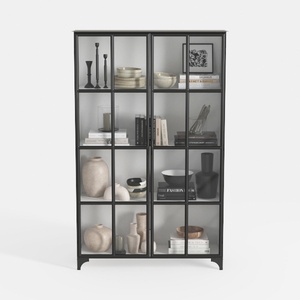
Triple Wide 5-Tier Bookshelf, 70.87" L x 79.13" H

Minimalist Neutral Fabric Irregular Coffee Table 3D Model
Homestyler is your go-to online home design platform! It offers an easy-to-use design tool, stunning 3D renderings, and a wealth of DIY video tutorials. Whether you're a novice or a seasoned pro, you can effortlessly create beautiful spaces that reflect your style. Dive into the world of home design today!
立即免费设计
































