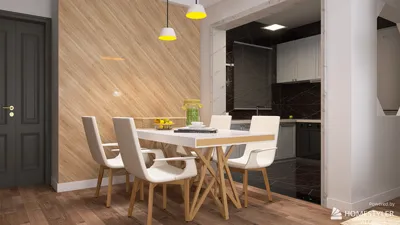


In an airport waiting room, comfort extends beyond plush seating. It's about creating an ambience through light, sound, space organization, and ergonomics that allows travelers to relax, find their bearings, and get ready for their trips. When I design high-traffic interiors, I emphasize quantifiable comfort and intuitive designs so that all travelers—whether they are solo adventurers, families, seniors, or professionals—can discover a suitable spot that enhances their experience, especially when utilizing tools like Homestyler for layout planning.
Investing in the quality of the environment is substantiated by research. According to WELL v2, well-considered lighting and visual comfort significantly lessen eye strain and uplift mood; achieving ambient illumination levels between 300 and 500 lux in general seating promotes both clarity and relaxation, while task zones such as reading corners and workstations benefit from higher levels, around 500 to 750 lux with glare-reducing fixtures (as recommended by the WELL Lighting concept and IES guidelines). Studies from Steelcase further indicate that seating that supports good posture and allows for varied positions helps to alleviate fatigue, enhancing satisfaction during prolonged waiting periods. These standards inform my decisions regarding layout and fixture selection.
Understanding behavioral patterns is key to effective zoning. Research by Herman Miller indicates that offering options—such as quiet, collaborative, and social zones—leads to a sense of autonomy and diminishes stress. Applied to the airport setting, this means travelers looking for tranquility should have easy access to quiet areas, while families require adaptable seating configurations, stroller access, and proximity to facilities. It is crucial that the routing from security to the waiting zones remains clear, with visible sightlines to gate information displays within a distance of 20 to 25 meters, minimizing mental strain and confusion.
Arrival Decompression: Light, Sightlines, and First Impressions
Post-security, travelers often experience increased stress levels. I design a decompression zone—spanning 10 to 15 meters—featuring uncluttered areas illuminated by warm-neutral light (3,000 to 3,500K), clear signage, and acoustic ceiling panels to minimize noise. Seats with medium-height backs and armrests cater to seniors and those traveling with luggage. Subtle color psychology plays a role here: muted greens and blue-gray tones promote tranquility, while soft terracotta accents provide warmth. It's imperative to manage glare—lighting fixtures should achieve a UGR rating that falls within a comfortable range for communal spaces, complemented by matte finishes to avoid reflections from polished surfaces.
Seating Mix: Ergonomics for Real Travelers
The waiting experience can greatly vary. I strive for a seating distribution with roughly 60% standard chairs, 25% soft lounge seats, 10% high stools at counters, and 5% dedicated comfort pods. Chairs with seat heights from 16 to 18 inches, lumbar support, and armrests cater to a broad audience. Lounge seating offers a bit of privacy and alleviates pressure during lengthy waits. Providing high counters allows travelers to keep their bags close while charging devices. Using materials with smooth edges and durable, washable surfaces—like antimicrobial vinyl upholstery on metal bases—ensures that seating can endure heavy usage without feeling institutional.
Quiet Pods and Focus Nooks
For travelers seeking a quiet environment, I incorporate semi-enclosed pods equipped with NRC-rated acoustic panels of 0.7 or higher, open entries for visibility, and soft task lighting set at 400 to 500 lux. A small shelf at elbow height (26 to 28 inches) accommodates laptops or reading materials, with power outlets on both sides to avoid tangled cords. This approach to micro-zoning prevents overall noise competition in the waiting area, providing a sanctuary for passengers on overnight flights.
Family-Friendly Zones
Families tend to move as a unit. I provide broader pathways—at least 1.5 meters—suitable for strollers, accompanied by cluster seating arranged inward to allow parents to monitor their children. Low coffee tables with rounded edges, surfaces that are easy to clean, and a durable rug create a safe play area while also absorbing sound. Color accents in soothing yellows and teals promote an upbeat atmosphere without overwhelming stimuli. Nearby facilities—such as changing rooms and hydration stations—help minimize unnecessary trips, and storage spaces near seating keep personal items within sight.
Work-Ready Corners
Business travelers prefer reliable workspaces equipped with more than just outlets. I recommend counter heights of 42 inches for standing tasks and 28 to 30 inches for seated work, both designed to mitigate wrist strain. The lighting should direct downwards with angles that reduce screen reflection. Continuous power strips for USB-C and organized labeling maintain a tidy atmosphere. Research from Steelcase and Herman Miller links better posture options to decreased discomfort; providing alternating sit/stand counters encourages movement during prolonged waiting intervals.
Acoustic Comfort and Material Strategy
While airports can be noisy, a tranquil waiting room can be developed with effective acoustic layering. Employing ceiling baffles, wall panels installed behind seating, and soft area rugs can significantly reduce reverberation. Strategically placing absorptive materials behind main conversation areas captures sound at its source. The surfaces in these spaces must withstand daily use: compact laminate tables, powder-coated frames, and performance textiles rated for over 100,000 double rubs. Sustainability is essential; opting for low-VOC finishes and considering modular furniture allows for part replacements without contributing to landfill waste.
Lighting Fundamentals: Color Temperature and Glare Control
Comfort relies on well-balanced lighting. Ambient areas should aim for illumination of 300 to 500 lux, creating a calm environment, while reading and working sections should increase to 500 to 750 lux. A consistent color temperature throughout zones—using warm-neutral (3,000 to 3,500K) for relaxed settings and neutral (3,500 to 4,000K) for task clarity—is vital. I favor luminaires that incorporate shield designs and diffusers to keep luminance ratios within IES recommendations; transitions between bright gate indications and seating areas should be softened by intermediary light levels to combat visual fatigue.
Intuitive Layout and Flow
The flow must remain apparent, with main paths ranging between 2.0 to 2.4 meters to accommodate rolling luggage and wheelchairs. Secondary passages can narrow down to 1.5 meters near seating clusters. Effective wayfinding occurs when key elements—like charging stations, quiet pods, and family areas—are distinctly visible. For both new constructions and renovations, utilizing a room layout tool such as Homestyler helps simulate circulation patterns, assess seating density, and visualize sightlines prior to finalizing the design.
room layout tool
Accessibility and Human Factors
Universal design should serve as a foundation rather than an afterthought. It's important to ensure ADA-compliant clearances, provide seating equipped with armrests for easier transitions, and prioritize spaces near essential information displays. Textures and floor thresholds should indicate transitions without posing tripping hazards. For aging travelers, higher contrast edges can aid in depth perception, while non-slip flooring promotes safety during wet conditions when luggage may track in moisture.
Refresh, Recharge, and Micro-Amenities
Amenities significantly influence the perceived comfort when schedules are disrupted. Hydration points, device charging stations every 6 to 8 seats, coat hooks, and discreet waste sorting options all promote cleanliness. Including greenery—either living plants or high-quality preserved varieties—offers biophilic elements that help lower stress levels. Maintaining easy-to-clean finishes is essential to support hygiene in high-traffic areas.
Operational Resilience and Flexibility
Airports can transition from serene to bustling in moments. I prefer modular seating setups on lockable casters, allowing staff to rearrange them in response to crowd dynamics. Integrating storage underneath counters holds spare cables and cleaning supplies. Clear lighting circuits can enable localized dimming, adjusting the atmosphere as peak times change.
Designing for Kolkata: Climate, Culture, and Rhythm
Kolkata's warm and humid climate necessitates the use of breathable, mold-resistant materials and effective HVAC systems positioned at seating height. Incorporating cultural elements—local artwork, warm color accents, and unique material craftsmanship—infuses identity rather than succumbing to generic design. Reserving wall space for rotating displays from local artists keeps the environment fresh and relevant. Acknowledging power density for high mobile device use, USB-C PD compatibility is a must.
Maintenance and Longevity
To withstand the rigors of high-traffic public spaces, it’s crucial to focus on durability. Selecting finishes that resist scuffs from luggage, opting for removable covers whenever feasible, and planning cleaning pathways with designated storage for maintenance equipment will allow staff to move efficiently without disrupting travelers.
To guide my design choices, I reference WELL v2 principles for visual and acoustic comfort while leveraging research from Steelcase on posture and autonomy. These frameworks enable me to converge the overarching goal—ensuring comfort for every traveler—into specific, actionable specifications.
FAQ
Q1: What lighting levels create a comfortable atmosphere in a waiting room?
A1: Ambient seating typically performs optimally at 300 to 500 lux, while reading or workspace areas should achieve 500 to 750 lux. Using diffusers and shielded luminaires minimizes glare based on IES recommendations.
Q2: Which color temperatures are ideal for travelers?
A2: In relaxation areas, opt for warm-neutral light (3,000 to 3,500K), while neutral light (3,500 to 4,000K) works best for task locations. Maintaining consistency within each zone is key to avoiding visual fatigue.
Q3: What strategies can minimize noise in a bustling airport waiting area?
A3: Effectively use ceiling baffles, wall-mounted panels with high NRC ratings, and soft area rugs placed around seating clusters. Implementing sound-absorbing materials behind conversation zones is essential to capturing noise at the source.
Q4: What dimensions should seating adhere to for optimal comfort?
A4: Seat heights of 16 to 18 inches, complemented with supportive backs and armrests, cater to a wide variety of users. Incorporate lounge seating for longer waits, as well as high counters for quick workspaces.
Q5: How do quiet pods enhance the passenger experience?
A5: Semi-enclosed pods with NRC ratings over 0.7 and 400 to 500 lux for task lighting provide micro-privacy, alleviating stress where necessary and giving sensitive travelers a quiet place without complete isolation.
Q6: What elements configure a family-friendly environment?
A6: Wider aisles (around 1.5 meters), inward-facing cluster seating, rounded furniture, washable surfaces, and close proximity to restrooms and hydration points are instrumental in simplifying family travel.
Q7: How can business travelers be better supported?
A7: Offering sit/stand counter options (28-30 inches seated and 42 inches for standing), anti-glare task lighting, organized power/USB-C setups, and quiet zones nearby fosters concentration for business users.
Q8: What materials ensure a balance between durability and comfort?
A8: Utilizing antimicrobial vinyl, compact laminates, powder-coated steel frames, and performance textiles that withstand intense usage while remaining easy to maintain is vital for lasting quality.
Q9: How does layout impact overall comfort?
A9: Maintaining clear primary pathways (2.0 to 2.4 meters), distinguishable zone anchors, and visible sightlines to gate information can alleviate anxiety. Utilizing simulation tools like Homestyler can validate flow during the design stage.
Q10: How can design accurately reflect Kolkata’s unique identity?
A10: Emphasizing breathable materials suited to the local humid climate, incorporating warm color accents, and curating area-specific art can maintain authenticity while avoiding heavy-handed themes.
Built on technology originally developed at Autodesk, Homestyler empowers anyone to design beautiful, realistic spaces in minutes. Join over 18 million users who have already discovered a smarter way to plan, visualize, and bring their dream homes to life — all from the comfort of a browser.
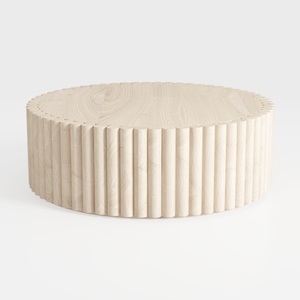
Minimalist Solid Wood Fluted Round Coffee Table 3D Model
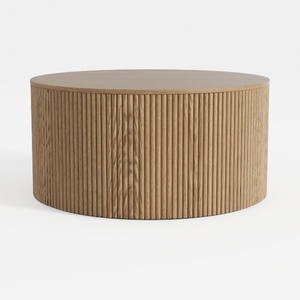
Minimalist Fluted Solid Oak Round Coffee Table 3D Model
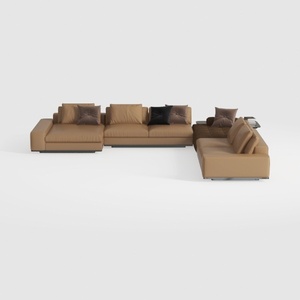

Modern Brown Leather U Shaped Sectional Sofa with Throw Pillows 3D Model
Transform your home design dreams into reality with Homestyler! This user-friendly online platform offers a robust design tool, stunning 3D renderings, and a wealth of creative design projects. Plus, you'll find inspiring DIY video tutorials to guide you every step of the way. Start designing today!
Design Now for FREE
































