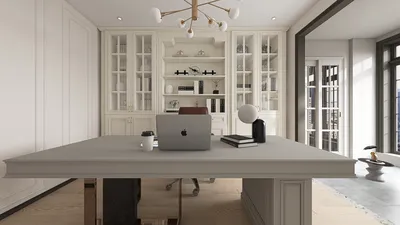


I craft collector offices that serve as living archives—environments where valuable artifacts, artwork, literature, and memorabilia enhance focus and creativity instead of cluttering workspace. The equilibrium between collection and daily tasks starts with intentional spatial design: identifying what to showcase, what needs safeguarding, and where intense focus can occur without visual distractions. Tools like Homestyler can help visualize these intentions for optimal layouts.
Research-Driven Design for Collector Workspaces
Focus and exhibition can thrive together when visual stimuli are managed thoughtfully. Studies from Steelcase suggest that environments with excessive visual noise elevate cognitive strain, hindering sustained concentration; calibrating sightlines and display densities helps mitigate this issue. Lighting plays a critical role alongside spatial arrangement: according to IES guidelines, work areas benefit from 300–500 lux, with accent lights for displays ideally set lower to minimize glare and reflections, thereby protecting both the integrity of items and visual comfort. Furthermore, the WELL v2 standard emphasizes the importance of glare control and adjustable lighting to promote visual well-being and circadian rhythm support.
The experience is also influenced by color temperature. Warmer lighting at 2700–3000K fosters an intimate atmosphere around heritage pieces, while neutral tones at 3500–4000K enhance reading and task precision. Behavioral research indicates that alternating between deep work and brief “micro-museum” breaks can uplift mood and improve productivity; Steelcase has documented performance gains when workers can adjust sensory input and regulate their surroundings effectively.
Establishing Functional Zones: Work, Exhibit, Archive, and Social
I categorize collector offices into four essential zones. The deep-work area is furnished with a calming color palette, ergonomic seating, and efficient cable management. The display area becomes a storytelling wall, designed with rhythm and open spaces to allow standout pieces to shine. The preservation zone is equipped with climate control, archival storage, and an effective workflow for handling items. Finally, a modest social space—featuring one lounge chair and a side table—invites discussions without overwhelming the office with gallery aesthetics.
When designing the spatial layout and sightlines, simulate proximity and circulation routes to prevent distractions—if your desk faces a dense display, your focus may wane. Utilizing tools like Homestyler aids in testing desk orientation, shelving arrangement, and seating distances to find the perfect setup.
Lighting Strategy: Task, Accent, and Conservation
I approach lighting in collector offices as a three-tiered system. Task lighting involves a high-CRI desk lamp with shielded optics, placed opposite your dominant hand to avoid casting shadows. Accent lighting consists of wall washers or track heads with narrow beams that highlight textures and frame focal objects, adjustable to prevent glare on delicate materials. Conservation lighting employs UV-filtered sources and low-heat optics for sensitive items (like photographs and textiles), maintaining moderate levels of illuminance while considering timers to control exposure.
To prevent unwanted glare and reflections on framed art, eschew direct downlights on glass surfaces. Instead, utilize indirect bouncing or aim the beam at a 30-degree angle to the vertical surface to diminish hotspots. Adjust color temperatures by area—warmer for antiques, neutral for drawings and books—so the collection is visually coherent while ensuring your workstation remains clear.
Color Theory and Visual Composition
Neutral shades with calculated contrasts prevent a collector's office from appearing cluttered. Soft wall colors like olive-gray, bone, or gentle taupe allow items to become the visual focal points. According to insights from Verywell Mind, shades of blue and green are often linked to tranquility and focus; I apply muted tones in the work area while richer, warmer accents punctuate display areas to evoke hospitality and narrative. Consider spatial rhythms: alternating large and small gaps along shelves, organized by taxonomy (era, material, color), ensuring breathing space between clusters to afford the eye moments to relax.
Ergonomics and User-Centric Design
Collections can easily dominate workspace; ensure you maintain ergonomic integrity. Chair height should allow feet to rest flat on the ground, with elbows in a 90-degree position and monitors set at, or slightly below, eye level. Keep the primary reach area unobstructed—no fragile items should be within reach of automatic movements for notebooks or tools. It's vital to map out cable and airflow paths so artifacts do not intrude on necessary knee space or heating vents. For extended sessions, integrate dynamic movement: a perch stool or sit-stand desk near displays encourages quick breaks without exiting the room.
Shelving, Display Cases, and Material Choices
Open shelving creates an editorial feel but demands discipline in arrangement. I prefer a 70/30 ratio: 70% display to 30% empty space. For precious collections, blend closed vitrines with low-iron glass, UV filters, and sealed doors to manage dust. Wooden shelves finished in low-glare coats minimize reflections; powder-coated steel brackets lend slender support while maintaining a lightweight aesthetic. For desktops, durable, low-sheen materials like linoleum or Fenix are ideal as they absorb light and resist fingerprints, keeping the workspace visually serene.
Acoustic Comfort in Artifact-Rich Spaces
Hard surfaces can amplify sound. Introduce soft elements: a wool rug beneath the desk, fabric-wrapped pinboards that double as notes, and even book spines themselves can contribute to sound absorption. To minimize mechanical noise, choose quiet fans and use soft-close mechanisms for cases. For hosting guests, a single upholstered lounge chair can reduce echoes while keeping the space aesthetically pleasing.
Planning Layouts for Diverse Collectibles
Varied collections require customized design. Vinyl records and books benefit from lower shelving for easy access, while sculptures should be displayed on pedestals set away from high-traffic areas to avoid accidental contact. For mixed media, create a consistent height across shelving units, breaking the rhythm with a niche or pedestal for standout pieces. When workflow is of utmost importance, position the desk to allow periphery glimpses of the collection rather than facing dense displays directly, ensuring focus remains on tasks without being distracted by exhibits. To test these arrangements and sightlines before finalizing, a room visualization tool like Homestyler can simulate proportions and distance.
Preservation Strategies That Avoid Overhauls
Not every office requires extensive lab equipment. Simple practices can be very effective: keep cotton gloves near preservation storage, utilize silica gel packs within displays, and use blackout shades to protect from intense afternoon sunlight. Store paper items in acid-free folders, segregate metals to prevent gas reactions, and maintain a handheld lux meter to check that accent lighting levels around delicate pieces are appropriate. Displays should be carefully considered yet remain adaptable—museum wax for stabilizing artifacts and archival strips for mounting paper works without adhesives.
Curatorial Narratives and Spatial Orientation
Consider the office layout as a storytelling journey: beginning, development, outcome. Place initial works or prototypes nearest the entrance, with technical artifacts guiding inspiration around the desk, and personal milestones positioned by the lounge to foster interaction. Wayfinding could be nuanced—a tonal stripe along the display wall or a change in shelf textures indicating different narrative phases. Labels should be kept minimalist: handwritten notes on archival cards provide warmth without introducing too much visual noise.
Integrating Technology Respectfully with the Collection
Minimize digital disarray. A slim tray under the desk for devices, a single cable spine, and a wireless keyboard enhance surface clarity. If digitization is necessary, use a compact document camera on a pivot arm that can be stowed away when not in use. Smart lighting controls and preset scenes allow for seamless transitions from work to display mode with a single button press, maintaining healthy illumination levels while safeguarding artifacts.
Strategies for Compact Spaces
When dealing with limited space, maximize vertical storage through narrow-depth shelving and pivoting display panels that unveil hidden storage. Fold-down desks with concealed cable channels and mounted task lighting can free up surfaces. Limit displays to one primary wall and a pedestal; adding extra focal points increases cognitive strain and diminishes concentration—an insight affirmed by research linking visual calm to enduring focus.
Design Trends for Collector Offices 2024–2025
Three emerging trends are influencing collector office designs. Firstly, hybrid lighting systems that adjust from 3000K warm lighting for displays to 4000K clarity for tasks are gaining traction. Secondly, sustainable, tactile materials—like wool, cork, and low-VOC finishes that absorb sound—are becoming essential. Lastly, modular micro-galleries utilizing rail-based shelves and magnetic vitrines enable rapid re-curation without the hassle of new installations each season.
Concluding Touches: Rituals and Ongoing Care
Establish a weekly curatorial ritual: dust with a soft brush, adjust accent lights, and rotate displayed items to ensure freshness while storing others. Maintain a small care kit—gloves, microfiber cloths, museum wax, and pH-neutral cleaners—to make upkeep easy and intuitive. While the office serves its primary function for work, each glance at the collection should reinforce its significance.
Resources and Further Information
For insights into human-centered design standards and workplace methodology, refer to the guidance provided by WELL v2 and research from Steelcase. These sources supply practical benchmarks for lighting, glare management, and cognitive comfort.
Explore WELL v2 Performance for deeper insights into visual health and glare control: WELL v2. Additionally, check out workplace studies by Steelcase Research for information on cognitive load and attention in office settings.
Common Queries
For desk tasks, aim for lighting levels around 300–500 lux with high CRI and minimal glare. Keep accent lighting lower and more diffuse, avoiding direct beams on glossy surfaces.
Utilize warmer lighting (2700–3000K) for antiques to maintain ambiance, while neutral lighting (3500–4000K) is perfect for reading and documentation tasks.
Arrange items considering taxonomy, ensuring gaps between clusters, and limiting visual focuses to a primary display wall. Keep the workspace distinct from display areas.
Incorporate UV-filtered sleeves or glass for sensitive items, employ silica gel in cases, and store paper-based artifacts in acid-free folders.
Position the desk to allow collection pieces to be in peripheral view and not directly facing dense displays. Utilize an interior layout planner to evaluate sightlines and flow before final decisions are made.
Be cautious of artifacts encroaching on primary reach areas, maintaining proper knee clearance. Adhere to core ergonomics standards by ensuring clear desks, monitor heights appropriate to eye level, and tidy cable arrangements.
Incorporate soft materials—wool rugs, upholstered furniture, and fabric pinboards—to influence acoustics while avoiding hard, reflective surfaces without interior soft lining.
Absolutely, scene-based lighting allows for effortless transitions from focus to display mode, ensuring healthy illuminance levels and safeguarding artifacts from overexposure.
Utilize matte-finish woods for shelving, low-iron UV-filtered glass for vitrines, and powder-coated steel supports for stability without added visual weight.
Monthly or quarterly updates are sufficient to keep the display fresh and maintain the integrity of your collection. Use reversible mounting techniques for easy and safe adjustments.
Homestyler is your go-to online home design platform, perfect for all skill levels. With its user-friendly design tool, stunning 3D renderings, and a wealth of DIY video tutorials, you can effortlessly create and visualize your dream home. Start your design journey today!
Progetta ora GRATIS
































