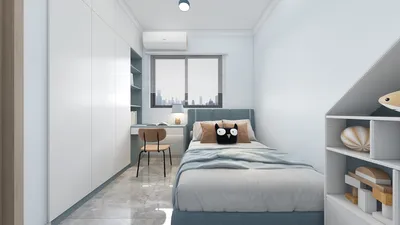


Wardrobes for children serve more than just a functional purpose; they play a crucial role in structuring daily activities, promoting independence, and influencing the ambiance of the room. In my design experiences, I have found that the most effective options blend adaptable interiors, safe materials, and convenient access that empower kids to manage their belongings independently. Studies indicate that thoughtfully designed spaces can significantly enhance comfort and behavior. The WELL Building Standard suggests that managing glare and ensuring proper lighting are vital for reducing visual fatigue when children select their outfits. Meanwhile, Steelcase emphasizes that environments fostering autonomy lead to improved engagement and routine development—concepts that seamlessly translate from educational settings to children's bedrooms, including those designed with Homestyler in mind.
At the scale meant for children, ergonomics are essential. Research from Herman Miller indicates that optimized reach ranges and easy access minimize difficulties and bolster independence. Positioning hanging rails at heights of approximately 900–1100 mm for ages 4 to 7, and 1100–1300 mm for ages 8 to 12, enables kids to safely grab their clothes without needing to climb. The implications of color on behavior are also significant. According to findings summarized by VerywellMind, vibrant, warm colors can invigorate spaces while cooler shades create a calming atmosphere—turning wardrobe interiors into a useful tool for starting the day focused or winding down at night. For comprehensive insights into creating environments that prioritize comfort and quality, the WELL framework serves as an invaluable resource for designers.
Growing Design Principles for Your Child
Children quickly outgrow static wardrobe systems. I advocate for modular designs: adjustable rails, pegboard-style side panels, and shelves that can be repositioned in 32 mm increments, accommodating everything from small t-shirts to larger hoodies. Begin with a dual-rail setup when they are smaller and transition to a higher rail plus shelves as they grow. It’s also wise to include at least one spacious cubby (300–350 mm) for seasonal items. Using transparent bins with front labels simplifies the decision-making process in the morning.
Intelligent Internal Arrangements
Inside the wardrobe, items should be organized by usage frequency and tasks. Regularly worn outfits should be placed between shoulder and hip height; less frequently used costumes or sports gear can be positioned higher up. Incorporating five narrow shelves specifically for socks, underwear, and accessories, each kept at a height of 180–220 mm, avoids the common issue of collapsing piles. A slide-out pant rack and a small drawer for hair ties or watches can help minimize visual clutter. If you're planning a complete room layout, test the dimensions with an interior layout planner, or employ a room layout tool to assess door swings, drawer spaces, and circulation around components like beds or study areas, which can easily be executed with Homestyler.
Options for Sliding, Hinged, or Hybrid Doors
Sliding doors are excellent for optimizing floor space in smaller rooms, especially when adjacent to bunk beds. However, ensure both top and bottom tracks are stable and that soft-close mechanisms are in place for safety. Hinged doors allow for complete visibility of the interior and can be easily equipped with soft-close hinges, opening at angles of 110–155°. A hybrid approach, utilizing sliding doors for the primary section and hinged doors for frequently accessed bins, ensures effortless access without interference from desks or play areas.
Fun Yet Calm Front Facades
Children appreciate characters and fun designs, but overly stimulating patterns can clutter a small room. I achieve a balance between playful elements and simplicity through the use of matte painted MDF in contrasting blocks, ribbed panels for tactile engagement, or cork insets that serve as pinboards. Mirrored surfaces can create the illusion of more space and assist during dressing, but opting for half-height mirrors reduces the risk of finger smudges and enhances safety. Low-gloss finishes also help minimize glare under LED lighting, adhering to visual comfort principles recommended by building standards.
Color Choices to Enhance Mood
Using color intentionally can greatly influence daily routines. Warm neutrals in drawers make locating items straightforward; cooler hues (like soft blue or sage) provide tranquility during bedtime preparations while small vibrant accents (think coral or sunflower yellow) add energy during morning routines. Insights from VerywellMind indicate that high-intensity reds and oranges can heighten arousal; thus, applying these sparingly as accents on drawer fronts or handles can avoid overwhelming effects.
Lighting: Illuminate, Select, and Wear
Children are often in a rush; therefore, optimal lighting is crucial for avoiding mismatched clothing and reducing decision fatigue. I incorporate 3000–3500K LED strip lights with diffusers along the inner cabinet edges, calibrated to achieve 200–300 lux on shelves and 300–500 lux in hanging areas, consistent with prevalent interior task lighting standards from IES. Integrating motion sensors can enhance the experience by lighting up automatically, making selections easier while conserving energy. Always ensure that LEDs are shielded to prevent glare at a child's eye level.
Prioritizing Ergonomics and Safety
Ensure all handles and edges are rounded with a minimum radius of 2–3 mm for safety. Opt for D-shaped pulls or finger pulls with gentle contours to prevent pinching. Tip-restraint brackets should be fixed to secure tall wardrobes against the wall. Utilize soft-close hardware to avoid slamming. In shared spaces, clear boundaries can be established through color-coded bins and name labels—this fosters ownership and minimizes morning disputes.
Hardworking Materials
Front surfaces made of durable laminates or high-pressure laminate (HPL) can withstand scratches from toys and general wear. The interior can be treated with melamine-faced boards for easy maintenance. For eco-conscious choices, prioritize low-VOC finishes and compliant substrates. Vents or discreet louver slots help prevent musty odors following sports activities, while felt-lined trays serve to dampen sound and protect delicate accessories.
Built-in versus Freestanding Solutions
Built-in wardrobes optimize every available space, particularly around recesses and beneath sloped ceilings, whereas freestanding armoires offer flexibility, especially in anticipation of room redesigns. Freestanding units with adjustable legs and anti-tip fasteners provide a safe alternative for rental properties. If floor space is limited, consider designing a bridging cabinet above the desk or bed to accommodate off-season storage, ensuring at least 2000 mm of clearance underneath for headroom.
Tech Features Kids Actually Appreciate
Adding features like battery-sensed lights, label printers for drawer fronts, and magnetic charging ledges for wearable devices can significantly ease morning routines. If you opt for a secure drawer, employ rounded keys or combination dials to enhance safety. Implementing a growth-adaptive rail system with pre-drilled adjustments makes modifications effortless, allowing changes to be made in minutes rather than requiring extensive efforts.
Layouts Tailored to Specific Ages
Low open bins, a single low rail, oversized handles, and picture labels assist younger children in learning to store their belongings correctly. Doors should be soft-closing and light enough for easy operation.
For ages 4-7, double rails with shallow drawers for socks and underwear, a low mirror panel, plus a peg rail for school essentials promote greater independence.
Transition to one higher rail for increased hanging space, add deeper shelves for bulky items like hoodies, a slide-out pant rail, and a designated drawer for personal items or devices.
Focus on vertical space for diverse garment types, incorporating a full-height mirror, enhanced lighting options, and a ventilated hamper to manage odors.
Exterior Styling
Maintain cohesion within the room by mirroring materials used in the desk or bed—such as oak trim on wardrobe stiles, matching laminate on drawer fronts, or fabric panels that harmonize with the headboard. A slight reveal in a contrasting hue can add a touch of elegance without being overly bold.
Planning Guidelines
- Measure the ceiling height and identify any obstacles (like vents or beams).
- Outline the everyday flow: where shoes come to rest, where school bags should go.
- Select door types depending on clearance requirements.
- Determine rail heights that accommodate the child's current reach and pre-drill for future adjustments.
- Specify desired lighting characteristics (CCT, lux levels, motion sensors).
- Opt for materials that are durable and have low VOC content.
- Equip with anti-tip features and soft-close mechanisms.
- Label compartments to facilitate easy upkeep.
- Utilize an interior layout planner to confirm circulation and space requirements: such as with Homestyler.
Frequently Asked Questions
Q1: What’s the optimal hanging rail height for kids?
A1: For children aged 4–7, aim for a height of 900–1100 mm; for those aged 8–12, use 1100–1300 mm. These specifications reinforce comfortable access and reflect the human factors principles outlined in Herman Miller’s research.
Q2: Are sliding or hinged doors more child-friendly?
A2: Both types can be designed with safety in mind when fitted with soft-close mechanisms. Sliding doors help save space but need secure top and bottom tracks, while hinged variants allow full visibility and simpler childproofing. The choice will depend on the room's clearance and potential conflicts with desks or bunk beds.
Q3: How much light should be inside a wardrobe?
A3: Target a range of 200–300 lux for shelves and 300–500 lux for hanging areas, employing 3000–3500K LED lighting. It's essential to shield light sources to prevent glare at the child's eye level, aligning with best practices advised by IES lighting standards.
Q4: What materials are recommended for durability?
A4: High-pressure laminate for the exteriors and quality melamine for interiors provide resilience, while low-VOC finishes are preferable for health. Incorporating felt-lined trays for accessories and ventilated panels keeps garments fresh post-activity.
Q5: How should I approach design for a compact room?
A5: Opt for sliding doors, mirrored or lighter-colored surfaces, integrated hampers, and open cubbies at the entrance for easy access to jackets and school bags. Verify clearances and consider using a room layout tool like Homestyler before placing any orders.
Q6: Which colors are best suited for kids’ wardrobes?
A6: Choose soothing base colors (soft blues, greens, warm neutrals) complemented by small, vibrant accents. Color psychology insights from VerywellMind suggest that high-intensity warm tones stimulate—ideal for use as small details rather than on large surface areas.
Q7: How can I future-proof my design?
A7: Implement adjustable shelving in 32 mm increments, pre-drilled positions for hanging rails, scalable drawer systems, and utilize neutral colors for exteriors that will appeal to older children and teenagers.
Q8: What safety features should be included?
A8: Essential features include anti-tip wall brackets, soft-close hinges or runners, rounded edges, user-friendly pulls, and smooth finishes within the wardrobe space. Avoid the inclusion of ladders or step stools inside.
Q9: Is it worthwhile to incorporate a mirror?
A9: Certainly, but aim for half-height or framed mirrors to minimize the risk of breakage and ease maintenance. Mirrors also serve to visually expand compact spaces.
Q10: Should I choose built-in or freestanding options?
A10: Built-ins are ideal for maximizing space, providing a seamless look, while freestanding options are best for rentals or flexible layouts. If there's a likelihood of moving or reconfiguring, a freestanding unit equipped with anti-tip straps is a practical choice.
Q11: How do wardrobes contribute to acoustic comfort?
A11: Soft-close mechanisms and felt-lined trays help to diminish noise levels. Fabric or cork panel inserts can also contribute to sound absorption, which is particularly beneficial in proximity to sleeping areas.
Q12: Can technology enhance functionality?
A12: Yes, features such as motion-sensor LED lighting, drawer labeling using a printer, and small charging stations for wearables simplify morning routines and promote independence.
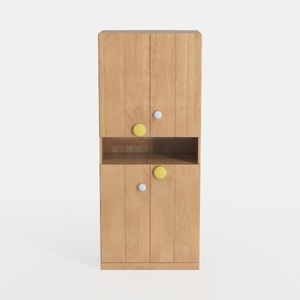
71" Tall Kitchen Pantry, Modern Curved Pantry

SICOTAS 5 Tier Bookcases Bookshelf with Storage


LUMISOL Twin Over Twin Bunk Bed, Wood House Bunk B
Homestyler is an outstanding online home design platform ideal for anyone looking to transform their space. With its user-friendly design tool, impressive 3D rendering capabilities, and a wealth of DIY video tutorials, you can effortlessly bring your decor visions to reality and explore countless design projects!
Дизайн сейчас бесплатно
































