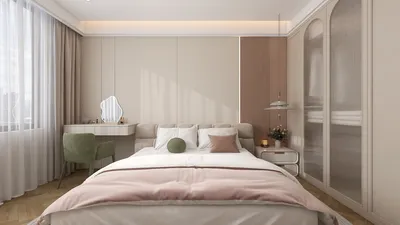


Designing wall shelves for a kid's room requires a focused vision: to develop storage that evolves alongside a child's changing needs, while ensuring safety, comfort, and a soothing visual appeal. I plan shelves to align with developmental stages—toddlers, emerging readers, and creative youngsters—allowing the design to adapt over time without drastic changes. Research from Steelcase suggests that flexible storage arrangements enhance independence and decrease cognitive strain, ultimately fostering greater engagement. Their findings indicate that well-designed, student-focused environments lead to increased participation and attentiveness. Similarly, the WELL v2 framework highlights the importance of reachability, stability, and minimizing clutter, further underscoring the necessity for strategic shelf organization and placement.
The height of shelving is crucial for practicality. According to ergonomic standards from Herman Miller, it is essential to maintain safe reach zones of about 20–24 inches from one's shoulder for items that are frequently used. This translates into lower open shelves for everyday toys and books, with elevated spaces designated for seasonal or decorative objects. Research in color psychology from Verywell Mind suggests that softer shades of blue and green can mitigate stress and enhance concentration. I tend to incorporate these calming hues into wall backings or container labels to signal specific activities (a serene reading nook versus an energetic craft area). For adequate task lighting near shelves, like reading spots, the IES recommends illumination levels around 300–500 lux; therefore, I plan for LED sconces or adjustable lamps that meet these lighting requirements and manage glare.
Organize the Wall Like a Developmental Map
I arrange functions in vertical layers: a lower zone (12–18 inches above the ground) for soft bins and plush toys; a middle zone (24–40 inches) for books, puzzles, and easily accessible items; and a top zone (48–60+ inches) for curated displays, awards, or supplies managed by parents. This stratified design reflects human factors: regular tasks within comfortable reach and less frequently used items stored slightly higher. If testing configurations or traffic patterns, consider a room layout tool to visualize reach and clearances effectively.
Select Versatile Shelf Types
I utilize three types of shelves: fixed wall shelves for durability, adjustable track shelves for growth, and slender ledges for facing books displays. Adjustable systems with one-inch increments allow for the reconfiguration for taller books by grade level, while an art ledge transforms rotating creations into a proud gallery without clutter. It's essential to include at least one cabinet above eye level for supplies such as paints or small parts—ensuring limited visibility, adequate ventilation, and childproof locks where necessary.
Prioritize Safety: Secure, Edged, and Balanced
Every shelf should be anchored into studs or secured with appropriate anchors, distributing loads evenly and capping typical spans at 24–32 inches for children's rooms to minimize sagging. Rounded edges help prevent injuries, and shallow depths (8–10 inches for books, up to 12 inches max for bins) ensure the center of gravity remains close to the wall. I label each shelf discreetly to indicate weight limits. For lighting near shelves, I choose dimmable, warm-to-neutral LEDs (2700–3500K) to avoid sharp contrasts and educate on light usage—bright for tidy-up time, softer for winding down.
Choose Materials That Withstand Play
Melamine-faced plywood or high-pressure laminate over birch withstands markers and spills; low-VOC finishes contribute positively to indoor air quality. For bin fronts, washable fabric or powder-coated metal are also appealing. I blend textures—matte shelves with a satin backboard—to reduce glare and create visual interest. Sustainability is key: opting for durable materials decreases the need for replacements, and when possible, I specify FSC-certified plywood.
Shelf Depth, Arrangement, and Harmony
The visual rhythm of shelves has a calming effect. I maintain consistent vertical spacing (10–12 inches for picture books; 12–14 inches for chapter books) and break long runs with vertical dividers to maintain an orderly aesthetic. Odd-numbered groupings (such as sets of three) tend to appear more balanced. It is important to ensure at least 3 feet of open floor space in front of shelving to prevent congestion and allow play areas to naturally extend without obstructing access.
Use Labels and Color Signals to Foster Good Habits
Clear, icon-based labels on bins assist pre-readers, transitioning to word labels as children mature. Color-coding by activity—green for reading, yellow for building, blue for art—lessens decision fatigue. Research from Verywell Mind indicates that warm colors energize, while cool tones calm; I apply soothing shades on high-use shelves and employ brighter colors in areas where engagement is promoted, such as a STEM corner.
Lighting Surrounding Shelves: Comfort Without Glare
Task lighting at shelves should avoid direct visibility to the source; utilize shielded sconces or top-mounted LEDs with diffusers. For reading corners, I aim for about 300–500 lux at the reading surface, balancing this with a color temperature close to 3000K for optimal comfort and clarity. Evening routines benefit from a secondary, low-level light (around 50–100 lux) to signal winding down without inciting alertness.
Sound Management and Soft Storage
Open shelves can magnify visual and auditory chaos. I incorporate fabric bins and cork-lined back panels to reduce sound absorption. A rug with felt backing and soft seating nearby further reduces reverberation, creating an intimate atmosphere for storytime while helping children manage their volume.
Purposeful Displays: Rotate, Showcase, Celebrate
Children's rooms flourish with displays that evoke pride. A shallow picture ledge and a pinboard above mid-height shelves facilitate easy rotation of artwork. I reserve an archive box on the top shelf for retired masterpieces—regularly curating and framing favorites reinforces ownership and helps mitigate clutter.
Streamline Maintenance: A Quick Reset
I design systems for efficient resets: bins labeled by category, a small desktop tray for 'current projects,' and a parent-accessible bin for specialty items. I teach a straightforward two-step routine—sort by color or icon, place at shelf height corresponding to the task—and keep the system consistent to help children internalize the organization pattern.
From Toddler to Tween: Evolving the System
Toddlers benefit from lower, open bins; a board book ledge should be positioned at 20–28 inches. In early school years, adjustable shelves accommodate chapter books and craft supplies, alongside a lockable upper cabinet for small items. For tweens, I incorporate charging shelves with cable management; dedicated display shelves for collections; and deeper shelves for reference texts. Throughout all stages, changes should be gradual—shifting a shelf or exchanging bin types—so that the space evolves without feeling foreign.
In evaluating layout decisions and behavioral impacts, I refer to findings from Steelcase and WELL v2: their research links clarity of space, accessibility, and safety to improved outcomes. Discover more insights at steelcase.com/research and v2.wellcertified.com.
FAQ
Q1: What shelf height is appropriate for toddlers?
A1: Position the lowest open shelves between 12–18 inches from the floor for soft bins. Items frequently accessed should rest within a comfortable reach zone aligned with a child's shoulder level, following ergonomic principles that minimize strain.
Q2: What depth should kids’ wall shelves have?
A2: Generally, aim for 8–10 inches for most books and small toys; up to 12 inches for bins. Shallow depths mitigate tipping risks and enhance visibility for children to access and return items effortlessly.
Q3: What lighting levels are optimal near reading shelves?
A3: Aiming for approximately 300–500 lux at the reading surface with warm-neutral lighting around 3000K is ideal. Ensure the light source is shielded to prevent direct glare into the eyes.
Q4: How can I keep shelves from becoming visually cluttered?
A4: Utilize consistent spacing, blend open shelves with closed bins, and create groupings in odd numbers. Categorize with labels and rotate displays regularly to maintain a tranquil aesthetic.
Q5: Is it worthwhile to have adjustable shelves?
A5: Absolutely. Adjustable tracks with small increments allow for the rearrangement of spacing as book sizes and activities evolve, extending the lifespan of the system and reducing the need for new furniture.
Q6: What materials provide the best safety and durability?
A6: Melamine-faced plywood or high-pressure laminate withstands wear and is easy to clean. Opt for low-VOC finishes and ensure rounded edges. Secure every shelf into wall studs or use appropriately rated hardware.
Q7: How can color assist in organization?
A7: Color-coding bins according to activity and employing soothing tones on frequently accessed shelves promotes focus and recognition. Soft blues and greens create a calming atmosphere, while warm accents energize active areas.
Q8: How do I incorporate technology as kids grow?
A8: Introduce a charging shelf with cable management at the tween stage, ensuring it's placed above desk height to keep work surfaces clear, and utilize ventilated cubbies for electronic devices.
Q9: What clearance should I maintain in front of shelves?
A9: Ensure at least 3 feet of unobstructed floor space to enable safe movement and facilitate play. This setup avoids congestion and allows multiple children access to storage areas simultaneously.
Q10: How frequently should I reorganize?
A10: At least seasonally or during significant milestones (like the new school year). Make adjustments gradual—swap out bin types, tweak one or two shelves—so children maintain familiarity with their environment.
Q11: Can shelves help in noise reduction?
A11: Yes, certain materials such as fabric bins, cork-backed panels, and soft textures around shelving can absorb sound, making quiet play and reading more enjoyable.
Q12: What is the safest method to anchor shelves?
A12: Anchoring into wall studs using appropriate screws or utilizing rated toggles for drywall is essential; adhere to the manufacturer's recommended weight limits and ensure even weight distribution. Avoid spanning large distances unsupported in children's rooms.

Minimalist Solid Wood Rectangular Furniture Panel 3D Model

Minimalist Solid Oak Wood Bookshelf Open Storage 3D Model
Modern Solid Wood Black Top Round Dining Table 3D Model
Homestyler is your go-to online home design platform! With its easy-to-use design tool, stunning 3D renderings, an extensive collection of design projects, and helpful DIY video tutorials, turning your interior design dreams into reality has never been easier. Start creating today!
Desain sekarang Gratis
































