

Over the past ten years, I have dedicated myself to designing audience halls, ranging from civic auditoriums to versatile spaces on campuses. The most effective designs harmoniously integrate acoustics, lighting, circulation, and materials, all underpinned by clear spatial intentions. While expansive rooms can often lack a personal touch, thoughtful design can create spaces that are immersive, easy to navigate, and comfortable. Incorporating tools like Homestyler can aid in visualizing these intricate layouts.
To ensure performance meets expectations, solid evidence is crucial. The WELL Building Standard emphasizes the importance of acoustics and lighting for occupant wellness, providing recommendations on glare management and noise reduction which significantly influence engagement in large venues. WELL v2 suggests maintaining suitable equivalent continuous sound levels and managing reverberation times to enhance speech clarity. Research from Steelcase has demonstrated that insufficient acoustic control can diminish focus and understanding, highlighting the significance of metrics like Speech Transmission Index (STI ≥ 0.6) in audience halls. Additionally, the Illuminating Engineering Society (IES) advises a horizontal illuminance of approximately 300–500 lux in general assembly seating, complemented by increased vertical brightness for presenters to bolster facial recognition and audience engagement.
The psychological implications of color cannot be overlooked. An overview by Verywell Mind indicates that warm tones can elevate energy and perceived warmth, while cooler shades are linked to stress reduction and tranquility. In designing halls, I strategically place warmer accents near stages and entry areas to focus attention, while cooler colors are used in the seating areas to counteract overstimulation. Every decision in this regard takes into account human factors: ensuring clear egress paths, consistent handrail placements, well-thought-out step designs, and sightline calculations are essential from the early planning stages.
Creating a Compelling Spatial Narrative
A well-crafted audience hall begins with a thoughtful arrival sequence, a moment of focus, and a clearly defined route to the seating area. I implement layered spaces—like a lobby, pre-function area, and acoustic buffer—to compress and then release the space, ensuring that the hall appears considered rather than empty. Aligning elements axially with the stage or focal wall organizes foot traffic, and generous cross aisles transform the area into manageable neighborhoods. For teams analyzing aisle widths and seat arrangements, utilizing a room layout tool, such as Homestyler, can greatly facilitate the visualization of flow and capacity.
Optimizing Sightlines and Seating Configuration
Sightlines are crucial for audience contentment. I generally aim for a vertical viewing angle of less than 30 degrees to the top of the presentation area and maintain the theater's C-value (clearance between seating rows) between 120–150 mm depending on the rake. In cases where flat floors are necessary, staggered seating combined with a pitch of 850–900 mm can preserve visual comfort. In multipurpose venues, adjustable risers afford the flexibility to transition easily from performance to banquet arrangements without compromising visibility. Offering a variety of seat widths and armrest spacing fosters inclusivity, catering to different body types and enhancing ergonomic comfort.
Crafting an Acoustic Strategy: Mitigating Reverberation and Ambient Noise
In expansive spaces, the potential for acoustic issues increases. For speech-oriented venues, aim for reverberation times (T30) within the range of 1.2–1.6 seconds, while facilities focused on musical performance might extend this to 1.8–2.2 seconds, depending on program specifics. Utilize broad-spectrum sound absorption materials on rear walls and beneath balconies to reduce late reflections, complemented by diffusion on side walls to maintain a full sound without producing flutter echoes. Mechanical systems should maintain NC/NR ratings below 30 (preferably NC 25–30 in premium auditoriums), while adequate duct sizing helps avoid noise generated by airflow. Material selection is crucial; options like microperforated wood, mineral fiber, and fabric panels can be specifically tuned to address mid to high-frequency sound issues.
Layering Light: Ensuring Comfort, Drama, and Versatility
I establish three lighting layers: ambient, accent, and task. Comfortably lit seating areas should maintain a brightness of around 300–400 lux prior to events, tapering down to 50–100 lux during presentations, with heightened vertical illuminance (750–1000 lux) focused on speakers to maintain clarity. A color temperature (CCT) range of 3000–3500K fosters warm engagement, whereas cooler tones (4000K) are preferable during rehearsals or transitions. Managing glare is essential; strategies such as baffles, cut-off optics, and indirect lighting ensure the audience is not confronted with harsh bright spots. Including aisle lighting with low-gloss nosings and continuous LED handrails enhances safety without cluttering the visual space.
Material Selection and Visual Harmony
For a serene atmosphere, I find it essential to balance absorptive and reflective materials. Using timber species with mid-tone finishes introduces warmth while minimizing glare, and matte acoustic plaster maintains a cohesive appearance across expansive surfaces. Upholstery that withstands high wear, such as recycled polyester and FSC-certified wood, aligns with sustainability objectives. Establishing a consistent visual baseline through baseboards, rhythmic panel joints, and layered pilasters or baffles enhances visual flow, grounding the scale of the space.
Stage Design and Backstage Efficiency
Effective backstage management is critical for a successful program. Ensure clear routes for service access, adequate storage for equipment, and proximity of green rooms, avoiding paths that intersect with audience entries. I favor modular stage platforms equipped with cable management solutions and integrated floor outlets to support AV flexibility. Clarity of sightlines from control areas should be prioritized, ideally aligned with the audience's acoustic center for optimal real-time adjustments.
Focusing on Ergonomics and Accessibility
The comfort of seating hinges on adequate lumbar support, breathable materials, and armrests designed for natural shoulder spacing. Accessible seating should be thoughtfully dispersed throughout the venue, including companion seats and a variety of viewing positions. Steps in the seating should remain consistent (ideally between 150–170 mm) with tactile indicators, while handrails should provide continuous support, and aisle widths need to accommodate peak traffic without creating bottlenecks.
Navigating Behavior and Cognitive Patterns in Crowds
In large venues, intuitive navigation cues are paramount. Implement light gradients and variations in color temperature to guide movement—using warmer tones near entry points and cooler shades within seating zones encourages progression. Highlighting landmarks like feature walls, artwork, or acoustic canopies helps establish points of orientation. Research into crowd behavior suggests that a clear choice architecture—visible staircases, predictable cross aisles, and well-placed signage—significantly reduces hesitation and congestion.
Designing Flexible Configurations for Diverse Functions
When venues alternate between lectures and ceremonies, it's vital to enable swift transitions: consider using removable seating arrangements, retractable risers, and portable acoustic dividers. Utilizing a layout simulation tool like Homestyler allows for visualization of various scenarios—be it banquet, classroom, or theater setups—to assess capacities and sightlines efficiently before any final commitments.
Integrating Technology and AV Aspects
Strategic placement of line-array speakers is essential to prevent sound reflections, and DSP calibration is necessary for uniform coverage. Selecting the right microphones—lavalier, boundary, or gooseneck—should align with the dynamics of the program. Ensure provisions for redundant power supply, quiet ventilation systems near racks, and controllable lighting that seamlessly integrates with control systems. Acoustic isolation around projection rooms is crucial to maintain audio integrity.
Prioritizing Sustainability and Durability in Design Choices
Opt for robust, maintainable materials and incorporate design features that simplify upkeep. Utilizing energy-efficient LED lighting fixtures aids in reducing energy consumption, and incorporating occupancy sensors alongside scene controls minimizes waste during low-traffic periods. Modular seating that can be reupholstered on-site and finishes that can be refinished instead of replaced support sustainability efforts.
Practical Insights Gained from Experience
In a recent design of a corporate auditorium, reallocating absorptive materials from the ceiling to the rear walls significantly enhanced speech clarity, minimizing late reflections while ensuring the room remained vibrant. For a campus hall, adjusting the rows of seating from 20 to 16, while adding more cross aisles, reduced egress time and enhanced comfort—attendees appreciate adequate legroom and personal space as much as acoustics.
Common Questions
Q1: What are the ideal reverberation times for speech-centric audience spaces?
A: Aim for approximately 1.2–1.6 seconds (T30). This time frame aids clarity while preserving the room’s natural acoustic qualities; adjustments may be necessary depending on the space's dimensions and finish mixes.
Q2: What is the recommended ambient light level for seating areas during presentations?
A: Maintain ambient illumination for seating areas around 50–100 lux, with vertical lighting levels for presenters between 750–1000 lux. These specifications align with guidelines set forth by IES for recognition and comfort.
Q3: What seating arrangements enhance sightlines in flat-floor settings?
A: Staggered seating and increased row pitch (approximately 850–900 mm) aid in preserving line-of-sight. If possible, consider incorporating slight risers or a raked flooring design.
Q4: Which acoustic treatments are ideal for expansive rear walls?
A: Implement a combination of mid to high-frequency absorption (via panel systems or acoustic plaster) alongside diffusers to mitigate late reflections while enhancing the sense of spaciousness.
Q5: How do color temperature variations impact audience dynamics?
A: Warmer color temperatures (3000–3500K) encourage a perception of warmth and engagement, while cooler temperatures (around 4000K) enhance alertness and clarity. Employ warmer shades closer to entrances and stages, while using cooler tones further into the seating area.
Q6: How can I prepare for multipurpose events without compromising performance?
A: Consider utilizing removable seating, retractable risers, and mobile acoustic curtains. Visualize possible configurations using an interior layout planner like Homestyler to assess capacities and sightlines before finalizing plans.
Q7: What background noise levels are considered acceptable in performance venues?
A: Aim for NC 25–30 to maintain high-quality auditory experiences and prevent mechanical noise from interfering with speech clarity. Proper ductwork sizing and isolation are necessary to minimize airborne and structure-borne sound.
Q8: How can I ensure accessible yet dignified seating in my designs?
A: Distribute accessible seating throughout the venue with designated companion positions and a variety of viewing angles. Ensure consistent riser heights, continuous handrails, and spacious aisle widths to facilitate ease of movement.
Q9: Are there data-driven resources for enhancing wellness in audience venues?
A: The WELL Building Standard offers comprehensive strategies for acoustic and lighting improvements that foster occupant well-being. Additionally, Steelcase research highlights the influence of sound and visual comfort on audience engagement.
Q10: Which materials balance durability with acoustic efficiency?
A: Options such as microperforated wood, textile-wrapped absorbers, and matte acoustic plaster provide flexibility in tuning; prioritize high-durability upholstery and timber sourced from FSC certifications for longevity and eco-friendliness.

Rustic Solid Oak Square Coffee Table with Geometric Inlay Pattern 3D Model
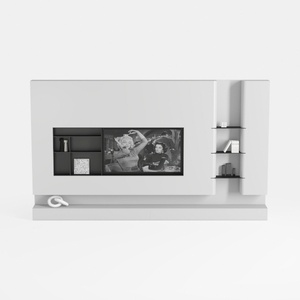
Minimalist White Wall Mounted TV Stand Cabinet With Open Shelves 3D Model
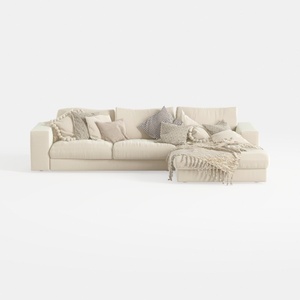
Minimalist Beige Fabric L Shaped Sectional Sofa with Throw Pillows 3D Model
If you're looking to transform your home with ease and creativity, try Homestyler! This user-friendly platform offers an exceptional online design tool, stunning 3D rendering, a plethora of design projects, and helpful video tutorials. Unlock your design potential and bring your vision to life today!
تصميم الآن مجانا
































