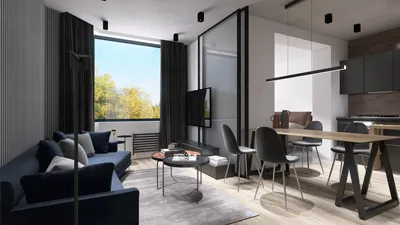


Designing a functional and inviting assisted living room is crucial for ensuring comfort and accessibility for residents. When creating these environments, one must take into account the unique requirements of individuals who may need additional support. Thoughtfully planned assisted living room layouts can significantly improve the daily experiences of residents, offering them a secure and engaging atmosphere. It's essential to integrate features that foster independence while maintaining safety and ease of movement. Utilizing tools like Homestyler can help you visualize different layouts to discover the most suitable design for your space. In this article, we will discuss key considerations for planning assisted living room layouts and provide insights on how to effectively use design software to craft the perfect living area. The first step in designing an assisted living room layout is to identify the specific needs of the residents. This involves addressing mobility challenges, selecting supportive furniture, and ensuring the space feels homely. The design should facilitate smooth navigation with mobility aids such as walkers or wheelchairs. Creating wider pathways and open layouts can help minimize accidents and bolster confidence in movement. Once the needs are assessed, the next focus should be on furniture placement. Arranging seating, tables, and other elements should promote conversation and activities. Comfortable seating areas can encourage social interaction while establishing a warm atmosphere. It's equally important to choose furniture that balances style with safety and accessibility. For instance, chairs with armrests can assist residents in rising and sitting down with ease. Lighting also holds significant importance in the design of assisted living rooms. Proper lighting can elevate the mood and functionality of a space. Natural light is preferable, so consider the strategic placement of windows to maximize sunlight exposure. When natural light falls short, ensure there is sufficient soft artificial lighting that is easy to control. Opt for gentle, warm tones over harsh fluorescent lights to create a more welcoming ambiance. The choice of color schemes is another vital aspect that influences the atmosphere of the assisted living room. Soft hues can have a calming effect, which is particularly beneficial for residents experiencing anxiety or confusion. Select a palette that is soothing yet engaging, incorporating various shades and textures to generate visual interest without overwhelming the senses. Integrating technology into the assisted living room design can further enrich the residents' quality of life. Smart home devices, such as voice-activated lights or temperature control systems, can enhance convenience and ease of use. Additionally, entertainment options like TVs, music systems, or devices for video calls can help residents stay connected and engaged with friends and family. Finally, the significance of personal touches cannot be underestimated when creating a warm and inviting space. Encourage residents to personalize their areas with decorations, photographs, and treasured items that reflect their personalities and interests. This can greatly impact their feelings about their living space, contributing positively to their overall well-being. In conclusion, assisted living room layouts should prioritize safety, accessibility, and comfort. By addressing residents' needs, utilizing effective design software like Homestyler to visualize layouts, and incorporating personal elements, you can create a space that truly feels like home. Remember, the ultimate goal is to empower residents to lead fulfilling lives in a nurturing environment.
Suggestions for Designing Assisted Living Rooms:
1. Ensure accessibility through wide pathways and supportive furniture. 2. Foster social interaction with cozy seating arrangements. 3. Maximize natural light and complement it with soft artificial lighting. 4. Select soothing color palettes to encourage relaxation. 5. Integrate technology to increase convenience and engagement.
Frequently Asked Questions
Q: What essential features should be included in assisted living room designs? A: Essential features encompass accessibility, supportive furniture, inviting seating areas, ample lighting, and personal decorations.
Q: How can I visualize my assisted living room layout? A: Design software such as Homestyler allows you to easily create and visualize various layouts for your space.
welcome to Homestyler
立即免费设计
































