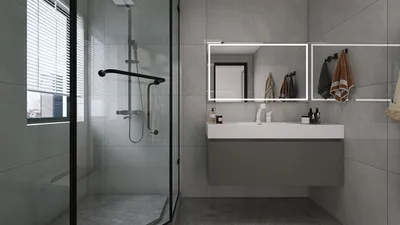


Ante rooms serve as crucial intermediaries between isolated patients and the wider hospital corridor, greatly influencing pathogen management, staff protection, and overall operational efficiency. In my designs, the optimal ante rooms incorporate airtight construction, reliable airflow, and streamlined workflows. This combination minimizes the risk of cross-contamination and facilitates rapid clinical processes. Per the WELL v2 standards, stable pressure dynamics and adequate air exchange are fundamental to creating healthy indoor environments. The International WELL Building Institute emphasizes that effective ventilation and filtration are key strategies in combating the risks associated with airborne transmission. Furthermore, research by Steelcase reveals a correlation between environmental control, clarity in movement, and reduced process errors, enhancing the case for expertly designed ante room spaces.
Air change rates, pressure differentials, and door mechanisms go beyond engineering issues; they serve as behavioral signals for safe practices. The IES guidelines prioritize glare management and the illumination levels necessary for tasks, which directly impact both compliance and precision during personal protective equipment (PPE) handling. Typically, negative pressure isolation rooms maintain a range of −2.5 Pa to −15 Pa in relation to adjacent areas, with ante rooms functioning as transitional spaces to uphold this pressure gradient. Insights from Steelcase workplace research suggest that well-defined circulation routes and visual cues can significantly ease cognitive load, especially when staff are engaged in complex PPE activities under tight time constraints. These findings guide my design philosophy towards ensuring measurable airflow coupled with logical spatial arrangements that foster safety and efficiency.
Foundational Principles of Infection Control
Creating an airtight, reliable boundary in ante rooms is essential. My primary focus is on implementing continuous air barriers, sealed penetrations, and gasketed doors equipped with automatic closers. The goal is to establish stable pressure cascades: from the corridor into the ante room and then into the isolation room, maintaining either neutral or negative pressure depending on hospital protocols and clinical considerations. Mechanical zoning featuring dedicated supply and return air systems, alongside terminal HEPA filters as needed, prevents contaminants from spreading. Additionally, the use of non-porous, easily cleanable surfaces with coved bases and minimized joints is crucial to reduce spaces for microbial growth.
Designing for Effective Workflow
The layout of ante rooms must intuitively accommodate human movement: entry, hand hygiene, donning PPE, and transition into the patient care area, with the reverse process for doffing. I delineate distinct zones—including entry hygiene areas, PPE storage stations, clean benches, pass-through windows, and designated waste bins—to maintain order and efficiency. For teams assessing workflow, employing a room layout tool that simulates circulation, door swing challenges, and proximity to handwashing facilities before construction is invaluable. Clear floor markings along with ceiling-mounted signs can communicate the necessary sequence without cluttering the visual space.
Strategies for Airflow, Pressure, and Door Operation
Maintaining airflow integrity begins with a well-balanced supply and return system, complemented by vigilant pressure monitoring. I recommend installing differential pressure sensors along with local displays and alerts at the ante room entry, enabling staff to easily check status. Door operation strategies are paramount: interlocks can prevent simultaneous opening of adjacent doors, thus preserving pressure and minimizing aerosol escape. In scenarios where interlocks are unfeasible, employing staggered closers, designing adequate vestibule depths, and integrating edge gaskets are effective strategies to mitigate transient pressure changes. I prefer solid-core, flush doors with low-leak frames over roll-up doors, ensuring they can accommodate carts while maintaining performance integrity.
Optimal Lighting for PPE Management
Adequate lighting is vital for enhancing PPE adherence and contamination checks. According to IES guidance, recommended illuminance levels for clinical tasks typically range from 500 to 1,000 lux; in ante rooms, I target approximately 500 to 750 lux in the doffing area, aiming for a CRI of 90 or above to ensure accurate color representation. This clarity allows staff to easily identify tears, moisture, or residues on gloves and gowns. Using indirect or diffused lighting helps control glare while layering light sources to ensure that entry hygiene areas are well-lit, while keeping the soiled zones clear yet unobtrusive. Implementing a night mode at around 200 to 300 lux ensures safety without overwhelming adjoining corridor lighting.
Durability, Finishes, and Cleanability
Surfaces must endure frequent disinfection cycles, with preferences for epoxy or polyurethane flooring featuring coved bases, high-pressure laminates with sealed edges, and welded vinyl installations in heavy-load areas. Textured wallcoverings and deep joints should be avoided. Stainless steel hardware, including hinges and pulls, should feature minimal crevices for cleanliness. Installing hands-free dispensers and foot-operated waste bins near the doffing area mitigates micro-movements that could lead to cross-contamination. Additionally, opting for softer acoustic ceiling tiles equipped with antimicrobial properties can help promote a stress-free environment while ensuring surfaces remain easy to clean.
Effective Storage, Labeling, and Visual Indications
Clarity is paramount in high-pressure environments. I advocate for segregated cabinetry for clean and contaminated items, employing bold, color-coded labeling systems. According to research on color psychology from Verywell Mind, the color blue conveys calm and trust, while high-contrast colors such as yellow and black capture attention—strategically utilizing these colors can enhance critical safety reminders and interlock indicators. Transparent fronts on PPE storage cabinets allow instant verification of supplies. The inclusion of a pass-through window to the isolation room can reduce the frequency of door openings, thus preserving pressure integrity.
Human Factors and Ergonomics
Doffing is both physically taxing and mentally challenging. Therefore, providing stable seating options, anti-fatigue mats, and strategically positioned mirrors can aid in maintaining correct sequence during this process. I ensure that dispensers are mounted at heights of 1,000 to 1,200 mm, while glove containers are placed at 1,300 to 1,400 mm to reduce strain on shoulders. Furthermore, installing handwashing stations equipped with lever or sensor taps can help avoid contamination issues. Clear, straightforward wayfinding instructions are vital to fostering rapid compliance.
Space Design, Clearances, and Door Swings
It is important to design with a clear path of 1,200 mm and a minimum turning radius of 1,500 mm. Maintaining door widths of at least 900 mm is crucial, with equipment passages increased to between 1,050 and 1,200 mm without compromising seals. The depth of the ante room should enable a complete donning and doffing cycle without obstructing interlock mechanisms—typically, dimensions of 2.0 to 2.4 m achieve this well in practice. Additionally, storing items off the primary path ensures no hazard from potential snags.
Integration of Technology and Monitoring
Incorporating pressure sensors into the building management system along with local visual indicators is essential. Installing occupancy sensors that can adjust air changes while keeping pressure steady is another valuable feature. Additionally, hands-free door operators with slow-close functions should be utilized to minimize turbulence. For facilities implementing digital standard operating procedures, a small, sealed display showing the PPE sequence and pressure status should be positioned strategically. Keeping trend logs periodically can help identify potential issues related to door activity or staffing peaks.
Acoustic Considerations for Comfort
Excess noise can increase stress levels and the likelihood of errors among staff. To minimize this, sealed doors, proper gasketing, and absorptive ceiling materials should be utilized, maintaining noise levels in ante rooms below those of the corridor. While white noise may seem beneficial, the aim should be for a calm soundscape that allows staff to focus. Avoid loud interlock alarms; instead, opt for clear visual signals and soft chime indicators that remain unmistakable.
Regular Maintenance, Training, and Commissioning
Ongoing maintenance of ante rooms is crucial, requiring regular verification through pressure tests, smoke visualization for leak detection, and calibration of door closers. Commissioning tasks should include confirming lighting levels and checking the CRI against actual PPE colors. Training sessions that incorporate hands-on scenario walkthroughs are vital for capturing staff feedback on potential improvements to storage and signage. Keeping a simple checklist visible can help ensure essential checks (pressure status, PPE availability, sink function, interlock testing) are performed daily.
Adapting for Future Variants and Increased Capacity
Designing with flexibility in mind is pivotal: allowing for modular storage, adjustable lighting configurations, and allocated space for mobile HEPA units. Consideration should be made as to how quickly the ante room can adjust from neutral to slightly negative pressure if protocols shift. Providing spare conduits and data cabling will facilitate the connection of new sensors or displays without requiring extensive renovations.
Frequently Asked Questions
For airborne isolation areas, ensure a pressure cascade is maintained from the corridor to the ante room and then to the isolation room, with the ante room being either neutral or slightly negative based on institutional policies. Local indicators connected to sensors assist staff in confirming status prior to entry.
Adhering to local healthcare standards for isolation environments is crucial. It is also essential to combine adequate air change rates with secure constructions and interlocked door systems to minimize pressure fluctuations during door activities.
The recommended lux level in the doffing area is approximately 500 to 750 lux, ensuring high color fidelity (CRI ≥90). Minimizing glare according to IES guidance is paramount for reducing eye fatigue and improving inspection accuracy.
Opt for non-porous, smooth surfaces resistant to chemicals: utilize welded vinyl or epoxy flooring, sealed high-pressure laminates for casework, and stainless hardware. Reducing seams and avoiding textured surfaces is crucial for cleanliness.
Establish clear segregation between clean and contaminated areas, utilizing distinct labels and transparent fronts for improvised PPE access. Waste disposal should be located away from primary circulation to enhance safety.
Interlocks are highly effective at maintaining pressure integrity. In absence of these systems, intricately designing aspects such as vestibule depths, seals, and door closing sequences is vital to prevent simultaneous openings.
Utilize soothing colors in clean zones with contrasting hues for essential safety warnings. Color coding aids rapid recognition while ensuring staff does not feel overwhelmed by visual stimuli.
Integrate monitoring systems for pressure aligned with local displays, contactless fixtures, and standardized SOP screens. Tracking data trends can uncover issues linked to increased door usage or staffing demands.
Absolutely—future-proof designs should incorporate adaptable storage solutions, mobile filtration options, and flexible control mechanisms to modify pressure relationships as necessary.
Regularly scheduled inspections are necessary for assessing pressure stability, door hardware functionality, and lighting efficacy. Providing a simple daily verification checklist can support efficient processes.
If you're looking to elevate your home design experience, Homestyler is the ideal platform for you. With its user-friendly online design tool, stunning 3D renderings, and a wealth of DIY video tutorials, you'll find everything you need to transform your ideas into reality. Start creating your dream space today!
Desain sekarang Gratis
































