


Creating a floor plan for a church is an exhilarating experience that enables you to design an inviting and practical environment for worship and community events. During the planning process, it’s vital to consider the flow of movement, accessibility, and the diverse activities that will occur within the church. Whether you are embarking on a new church structure or revitalizing an existing venue, a carefully crafted floor plan can greatly improve the experience for everyone involved.
Grasping Church Functionality
Before you begin the design phase, it’s crucial to comprehend the various functions your church will fulfill. Typically, churches require areas for worship services, fellowship, education, and outreach activities. This implies the necessity of spaces like a sanctuary, classrooms, meeting areas, and possibly a kitchen or fellowship hall. The design should promote easy transitions between these locations while creating a unified atmosphere.
Integrating Accessibility in Your Blueprint
Accessibility is a fundamental consideration in any church design. Be sure that your layout incorporates essential features such as ramps, wide doorways, and accessible restrooms. This not only complies with legal regulations but also emphasizes inclusivity for all community members. Remember that designing with accessibility in mind enhances the overall experience for everyone, including those with mobility challenges.
Employing Design Tools for Enhanced Efficiency
To bring your church floor plan into reality, consider utilizing design solutions like Homestyler. This tool allows you to visualize your space in both 2D and 3D, enabling you to make informed choices about layout, aesthetics, and functionality. You can experiment with various configurations to see how they impact the flow and usability of the area.
Collecting Community Feedback
Once you have a preliminary draft of your floor plan, it's essential to gather input from your church community. Hosting workshops or discussion sessions can yield valuable perspectives and recommendations. Engaging with your community not only nurtures a sense of belonging but also ensures that the space caters to the needs of its intended users.
Refining and Finalizing Your Design
After integrating feedback into your design, be sure to review your plans with a qualified architect or designer. They can assist you in optimizing the layout for structural soundness and regulatory compliance. A polished design will be crucial for subsequent steps, whether you are applying for permits or initiating construction.
FAQ
What essential elements should be included in a church floor plan? Key elements typically encompass a sanctuary, fellowship hall, classrooms, and restrooms. Each area should be tailored to its specific purpose while facilitating smooth transitions between spaces.
How can I make my church design more accessible? Incorporate features such as ramps, wide doorways, and accessible restrooms into your floor plan to guarantee inclusivity for all members, particularly those with disabilities.
Welcome to Use the Best Floor Planner Available
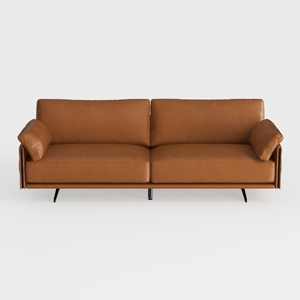

Modern Minimalist Brown Leather Sofa With Black Metal Legs 3D Model

Minimalist Fabric Oversized Sofa 3D Model

Minimalist Velvet Curved Living Room Sofa 3D Model
Discover Homestyler, the ultimate online home design platform! With its user-friendly design tool, stunning 3D renderings, and a wealth of inspiring projects and video tutorials, you can effortlessly transform your home ideas into reality. Perfect for both beginners and seasoned designers!
Design Now for FREE
































