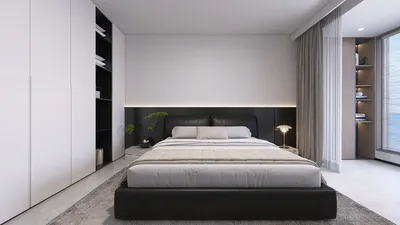


Exceptional banquet halls do more than accommodate guests; they weave together elements of light, motion, and sound to ensure that every moment feels purposeful. In designing a gazebo banquet hall, my focus is on optimizing sightlines, acoustics, and guest circulation to enhance both ceremonial and celebratory experiences. Research confirms this approach: Gensler's Workplace Survey highlights that environments fostering focused and social engagements can boost effectiveness perceptions significantly, a finding that’s equally relevant in event spaces where guests transition between observing, mingling, and dining. Additionally, the WELL v2 Light concept underscores the importance of proper lighting and glare management for visual comfort and alertness—essential during lengthy programs that include speeches, dining, and dancing.
The quality of lighting stands out as a crucial factor. The Illuminating Engineering Society recommends an ambient light level of 200–300 lux for dining environments, while task-oriented settings such as reading menus should reach around 500 lux, all while keeping the Unified Glare Rating low to prevent eye strain. In banquet setups, I implement a layered lighting design: a warm ambient light of 2700–3000K for dining, accent lights at 3000K to highlight architectural features, and tunable white lighting (2700–4000K) for presentations. Furthermore, WELL v2 correlates balanced circadian cues with overall experience quality, reinforcing the necessity for carefully considered color temperature changes.
Design Intent: Creating a Gazebo Hall That Dazzles
A gazebo banquet hall merges open-air charm with refined hospitality. Its geometric designs, often octagonal or circular, promote symmetrical layouts and balanced views. I prioritize a flexible central area that can adapt from a ceremony space to a stage or dance floor. Proper spatial ratios are essential: I allocate between 10 to 12 square feet for each seated guest at round tables, 8 to 9 square feet for theater seating, and a range of 20 to 22 square feet per guest for cocktail-style gatherings. This thoughtful allocation ensures comfort and avoids congestion at bars, buffets, and photo areas.
For event teams planning multiple configurations, utilizing a layout simulation tool allows stakeholders to visualize the optimal number of seats, aisle widths, and sightlines before confirming arrangements or decorations. In collaboration with clients, I often compare different table shapes, such as round versus long banquet tables, and assess the setup of the gazebo against stage positioning using effective room layout software.
Lighting Strategy: Setting the Mood, Ensuring Clarity, and Maintaining Control
Lighting acts as the narrative thread that stitches an event together. I integrate hidden uplights to illuminate the gazebo canopy, low-glare pendant lighting for cozy dining areas, and adjustable spotlights for speeches. Utilizing dim-to-warm LEDs allows for seamless transitions from bright appetizers to soft, candlelit dinners without altering color fidelity. Aiming for a 1:5 contrast ratio between focal points like the stage, cake, and head table and the ambient lighting ensures that photography is inviting while preserving the overall atmosphere. It’s important to mitigate glare by shielding light sources, employing proper lensing, and adhering to suitable mounting heights to maintain the Unified Glare Rating within comfortable parameters provided by IES guidelines.
Acoustics: Ensuring Clear Toasts and Easy Conversations
Excessive banquet chatter can easily drown out toasts and speeches. I recommend incorporating sound-absorbing panels within the gazebo canopy, dense drapes on opposing walls, and soft materials under centerpieces to minimize echo. Employing directional speakers that concentrate sound towards the audience rather than reflecting off ceilings is key. For larger gatherings, strategically placing multiple smaller speakers reduces sound hotspots far more effectively than a single loud cluster. Striving for a Noise Reduction Coefficient (NRC) target of 0.6 to 0.8 across significant surfaces will enhance overall clarity—your MC and the guests at the back will express their appreciation.
Ergonomics and Flow: Designing for Comfort and Accessibility
Comfort in design is akin to choreography. It’s important to allocate 60 to 66 inches between table centers to facilitate both service and guest mobility; if space is limited, a minimum of 36 inches behind each chair should remain unobstructed. Stages should generally extend 8 to 12 feet deep to accommodate most bands or panels, with ramps designed to meet accessibility standards. To manage guest flow effectively, bars should be positioned in diagonal corners to minimize wait times, and the dance floor must be aligned so that sightlines from the head table and VIP areas remain clear. Understanding guest behavior is crucial; providing clear navigational cues with lighting, a focused backdrop, and an obvious route from entry to seating and social areas is essential.
Material Considerations: Striking a Balance Between Aesthetics and Durability
Prioritize both tactile appeal and functionality. I select weather-resistant wooden finishes paired with matte, low-VOC sealants, hardy woven textiles, and sound-absorbing materials behind decorative timber screens. To achieve sustainability goals, it’s vital to choose materials with verified environmental credentials and those designed for longevity. In venues adjacent to outdoor spaces, using anti-warp decks and washable linens helps to reduce waste while ensuring smooth operational workflows.
Color Psychology and Setting the Event Mood
Color has a profound impact on energy and memory. Warm neutrals supplemented with blush or amber tones create an intimate atmosphere for weddings, whereas muted greens and deeper blues instill calm for corporate events. Bold colors should be reserved for focal elements such as stage curtains or floral installations to envelop guests without causing visual fatigue. Attention to detail is key; using warm lighting that flatters skin tones and avoiding overbearing green light in key areas is advisable, as this can often hinder camera quality.
Stagecraft: The Central Focus of Engagement
Your focal space serves as the event's heartbeat. I design it along the shallow axis of the gazebo so that guests experience symmetrical views. Providing 8 to 10 feet to side wings allows for discreet vendor access and storage for gifts or AV equipment. A slight elevation of 12 to 18 inches maintains closeness while ensuring visibility above seated heads. Incorporate vertical elements—such as tall floral arrangements or fabric draping—to create a visual lift and enhance the perceived scale of the venue.
Tablescapes and Seating Arrangements
Round tables facilitate conversation for weddings; meanwhile, long tables lend themselves well to culinary-centric events, minimizing linen expenses. For round configurations, 60-inch tables comfortably seat eight guests, while 72-inch models can host 10 to 12, given adequate circulation. Arranging tables to align with the gazebo’s geometry creates intuitive walkways. Additionally, integrating lounge areas with high-top tables around the perimeter can accommodate overflow and promote dynamic movement between formal and casual settings.
Day-to-Night Flexibility: Power Solutions and Control Systems
Events are dynamic and ever-evolving. I design lighting scenes that can be managed either through a simple wall panel or a mobile app, including settings for arrival, dining, toasts, dancing, and a warm wind-down as the event concludes. Ensuring availability of dedicated 20A circuits for entertainment, a clean audio circuit distinct from lighting dimmers, and clearly labeled floor outlets is essential. Cable management is equally important; these should be routed away from walking paths and concealed beneath skirting or through floor channels.
Operations: Behind-the-Scenes Efficiency
Service quality critically affects the overall experience. It is vital to establish a staging pantry within a 60 to 90-foot radius of dining areas, ensuring a quiet corridor for staff. Allowing at least a 5-foot turning radius at doorways for service carts enhances mobility. Key stations for ice, hot trays, and coffee should be located close to bar and dessert areas to minimize traffic cross-over. Additionally, a compact vendor area equipped with power and water connections will streamline floral and AV logistics.
Technology and Enhancing Guest Experience
Discreet technology plays a vital role in amplifying emotional engagement. Utilizing short-throw projectors or LED screens behind gauzy scrims creates an elegant backdrop without unnecessary glare. Wireless presentation tools facilitate seamless corporate events, while QR code menus and mobile check-ins enhance service speed. High-quality Wi-Fi and direct connections for streaming are also imperative for contemporary events.
Research-Based Design Insights and Standards
I rely on empirical research to substantiate my design choices and clarify their benefits to stakeholders. Gensler's research accentuates the importance of multi-functional spaces, guiding the zoning of dining, social, and performance areas. The WELL v2 Light and Sound principles help define the required balance between illumination and acoustic treatments, while IES guidelines provide reliable benchmarks for lux levels and glare management. For teams focused on shaping brand identity and user pathways, principles from the Interaction Design Foundation—specifically those concerning affordance and signifiers—translate effectively into aspects such as signage, lighting strategies, and overall spatial order.
Foundational resources: Gensler's research on spatial effectiveness and the WELL Building Standard v2, which offer insights into light, comfort, and experience metrics, guide decision-making without constraining aesthetic expression.
Step-by-Step Layout Planning for Optimal Experiences
Begin with calculating the guest count, outlining the program sequence, and identifying key moments. Define the focal area, and then chart out clear paths from entry points to seating and amenities. Strategically plan service paths that circumvent major guest traffic. Utilize a room design visualization platform to adjust seating densities and stage orientations, ensuring that your vendor team can finalize rentals and schedules effectively.
FAQ: Common Queries Regarding Banquet Planning
Allocate 10 to 12 square feet per guest for seated dinners with round tables, 8 to 9 square feet for theater-style setups, and about 20 to 22 square feet for cocktail arrangements to maintain good circulation and service efficiency.
Aim for ambient lighting around 200 to 300 lux for dining settings and increase to 300 to 500 lux at lecterns or head tables. For warmth, maintain a color temperature around 2700 to 3000K during meals, using adjustable fixtures at 3000K for toasts.
Incorporate sound-absorbing ceiling panels within the gazebo, heavy drapery on two sides, and area rugs while utilizing smaller, dispersed speaker systems to minimize echo and sound hotspots.
60-inch round tables typically accommodate eight guests comfortably and can fit into most layouts. Long banquet tables can streamline decor and are suitable for culinary demonstrations but require careful aisle considerations.
Using warm neutrals with amber or blush accents tends to enhance skin tones. It’s crucial to avoid heavy green light that can create unflattering conditions. Reserve vibrant colors for backdrops and stage features.
Position bars at diagonal corners to manage queues effectively, keeping buffets away from entry points and centering the dance floor for optimal visibility from VIP or head tables.
Ensure dedicated 20A circuits for entertainment systems and a separate audio circuit away from dimmers. Utilize scene-based lighting controls for swift mood adjustments throughout the event.
Absolutely. A room design visualization tool is essential for testing table counts, aisle widths, and stage options, which can then be shared with vendors for feedback.
Design pathways of at least 36 inches clear, integrate low-slope ramps leading to the stage, and consider accommodating a few tables with adjustable height for diverse accessibility.
Create a welcoming entry with soft lighting, a flooring change, and a visually captivating photo backdrop. Implement weather-resistant finishes and hidden heating solutions to ensure the comfort of your guests is consistent throughout their experience.
Opt for a distributed speaker system, isolating subwoofers from resonant stages using dampening materials, and coordinate microphone placement to prevent feedback issues. Adding minimal acoustic absorption near the dance area can also enhance sound quality.
Leverage IES recommendations for light levels and glare, Gensler’s insights into multi-functional space efficiency, and the WELL v2 framework associated with comfort through light and sound, which all serve as valuable references.

Minimalist Tan Leather L-Shaped Sectional Sofa 3D Model

MILCIL Swivel Accent Chair Living Room Chair with
Looking to transform your space? Homestyler is your go-to online home design platform! With an intuitive design tool, stunning 3D renderings, a variety of inspiring design projects, and helpful video tutorials, you can effortlessly turn your home design dreams into reality!
Design Now for FREE
































