


Creating a clean room for pharmacy use that ensures sterile accuracy and operational efficiency requires a careful balance of structured discipline, effective workflow, and user-focused elements. Over the last ten years, my strategy combines strict standards with practical ergonomics, aiming to reduce contamination risks, minimize unnecessary movements, and optimize every square inch of the space. Utilizing tools like Homestyler can enhance the visualization of these elements during the design process.
Two reference points establish essential criteria: the WELL v2 Air standard suggests keeping PM2.5 levels under 15 μg/m³ and PM10 below 50 μg/m³ to minimize exposure risks indoors. This emphasizes the importance of precise air filtration and monitoring. Additionally, research from Steelcase indicates that optimizing ergonomics can enhance task performance by 23%, highlighting the benefits of layout design, reach zones, and ergonomic support for staff. I often cite the insights available from Gensler, which illustrate the strong correlation between environmental quality and productivity across various sectors, including the use of platforms like Homestyler for planning.
Effective lighting is just as crucial as air filtration. The Illuminating Engineering Society (IES) recommends brightness levels between 500 and 1000 lux for detailed clinical tasks, advocating for glare management and uniform lighting to reduce eye strain and minimize errors. In sterile compounding areas, I aim for 650–800 lux at workbenches, 400–500 lux in aisles, with a Color Rendering Index (CRI) of 90 or higher for accuracy in color-critical tasks, and a correlated color temperature (CCT) between 4000 and 5000K, to maintain a balance between alertness and visual comfort.
Clean Room Classifications and Zoning
Establishing a clear zoning hierarchy is essential: include uncontrolled support areas, an ISO Class 8 anteroom, and an ISO Class 7 buffer room (serving sterile compounding needs), alongside ISO Class 5 primary engineering controls (PEC) at the hood. The operational guidelines set forth by USP <797> and USP <800> define expectations; practically, I implement three distinct boundaries: 1) general preparation, 2) clean entry (inclusive of gowning and hand hygiene), and 3) a controlled core (buffer/compounding environment). Airflow must consistently favor clean areas over dirty ones, maintaining positive pressure in sterile buffer zones and negative pressure for hazardous drug areas per USP <800> requirements, with a minimum of 30 air changes per hour (ACH) in ISO 7 buffers and 20 ACH in ISO 8 anterooms whenever local codes permit.
Airflow Strategy, Filtration, and Pressurization
HEPA filters, delivering 99.97% efficiency at 0.3 μm, are the standard for ISO 5 PECs and ceiling filters in ISO 7 environments. I prefer low-turbulence diffusers to maintain a smooth laminar-like flow around compounding workstations. Continuous monitoring of pressure differentials is crucial: maintaining a range of +0.02 to +0.05 in. w.g. for positive-pressure sterile buffer rooms and –0.01 to –0.03 in. w.g. for hazardous drug buffer rooms is vital. Supply air should enter above clean zones, with low exhaust options in negative-pressure rooms to effectively capture contaminants.
Layout and Workflow Optimization
The flow of operations begins at the entrance. I design for a unidirectional movement pattern: entering through the anteroom, proceeding to gowning, practicing hand hygiene, conducting material pass-through, and finally compounding—exiting via an alternative door to prevent backtracking. For teams exploring different layouts or bench spacing with staff movement, leveraging a room design tool such as Homestyler can effectively visualize reach zones, storage solutions, and safety clearances while ensuring the compounding area remains compact and well-organized.
With bench depths set at 30 inches and adjustable heights ranging from 27 to 43 inches, the setup accommodates various postures. To mitigate crossover risks, I distinctly separate hazardous from non-hazardous PECs, maintaining a clear aisle width of at least 36 to 42 inches for cart passage and emergencies. Material flow is optimized from quarantine to clean staging areas and then to the PEC, while waste exits through a different route. Labeling and barcode stations are located at the end of the bench, ensuring minimal disruption during tasks.
Ergonomics and Human Factors
The nature of compounding work is both repetitive and focused, demanding precision. I position primary tools within an 18-inch reach, secondary items at 24 to 30 inches, and ensure heavy items are stored below shoulder height to prevent strain. Incorporating footrests and sit-stand stools alleviates static fatigue. Task lighting with a unified glare rating (UGR) of 19 or less effectively combats eye strain. The productivity boost associated with ergonomic enhancements, as noted by Steelcase, supports the investment in adjustable workstations, anti-fatigue mats, and fixtures that promote proper wrist positioning.
Lighting, Color, and Visual Comfort
High CRI lighting is critical for accurate verification of vials and solutions. Utilizing neutral color schemes (soft grays and muted greens) reduces visual distractions; saturated reds are minimized near inspection areas to avoid color bias. Insights on color psychology from Verywell Mind indicate that shades of blue and green foster calmness and focus—these colors should be employed in anterooms to alleviate pre-task anxiety. To manage glare, essential are matte finishes on work surfaces and non-reflective lighting solutions. Ensuring adequate vertical illumination on shelving (200–300 lux) keeps labels readable without overwhelming the task area.
Acoustics and Cognitive Load
Given the typically hard surfaces of clean rooms, noise from HVAC systems can be a concern. My goal is to limit noise levels to a maximum of NC 35–40. Utilizing low-noise fans, implementing vibration isolation for air handling units, and incorporating acoustic absorption features in the anteroom and adjoining corridors are strategies to reduce distractions. In buffer rooms, keeping annunciators visual rather than audible aids in maintaining focus.
Materials, Cleanability, and Durability
Choosing non-shedding, chemical-resistant materials is crucial: seamless resinous flooring with coved bases, epoxy-coated walls, stainless steel work surfaces, and silicone-sealed joints are ideal. Avoid using porous materials or exposed particleboard. Storage solutions should be closed-front, easily wipeable, and categorized by risk level. Furnish the space with components that minimize joints and facilitate easy cleaning.
Contamination Control Protocols
The design should streamline processes. This includes providing dedicated gowning areas, hands-free sinks, and touchless dispensers. Separating clean and dirty carts is essential. Furthermore, including pass-through cabinets between the anteroom and buffer room with interlocked doors is beneficial. Positioning differential pressure gauges within clear sightlines enhances monitoring. Additionally, integrating environmental monitoring ports and data-logging systems for tracking particle counts and temperature/humidity (typically 20–23°C and 30–60% RH unless specified otherwise) is crucial.
Hazardous Drug Compounding Considerations
To comply with USP <800>, hazardous buffer rooms require negative pressure along with dedicated exhaust systems and externally vented BSCs (Class II, Type B2) or compliant containment PECs. It's important to have spill kits, dedicated waste disposal lines, and clearly labeled segregated storage areas. Ensure doffing areas are distinct from those used for non-hazardous substances, and provide emergency eyewash stations within a 10-second travel distance.
Technology Integration and Monitoring
Digital monitoring devices for pressure, particle counts, and temperature/RH are invaluable for ensuring compliance. Positioning barcode medication administration (BCMA) stations strategically—so they do not obstruct workflow—is critical; ideally, they should be located downstream of compounding activities. Additionally, consider incorporating vision systems for label verification and smart cabinets to enhance inventory management. Ensure that power and data access points are conveniently located at bench height to prevent cable obstructions in clean zones.
Commissioning, Validation, and Maintenance
Prepare for pre-functional testing, balancing procedures, and certification by a qualified clean room expert. Validating airflow, ACH, filter performance, pressure balance, lighting conditions, and ergonomic reach capacity is essential. Schedule filter replacements and re-certifications on at least an annual basis or according to local regulations. Document standard operating procedures with detailed diagrams and checklists readily accessible near entry points. Clearly train staff on the procedures for donning/doffing attire and maintaining hand hygiene with intuitive wayfinding signs.
Spatial Ratios and Room Planning
A good rule of thumb is to allocate a 60:40 ratio favoring compounding space over circulation in the buffer room, with the anteroom at a 40:60 ratio for circulation to functional areas to facilitate smooth gowning and staging. Ensure unobstructed access to PEC fronts (minimum of 36 inches) and keep so-called 'clean staging' areas within 6 feet of PECs to shorten carry distances.
Safety, Egress, and Redundancy
Integrate redundant power systems for critical PEC operations, ensuring emergency lighting meets at least a minimum of 10 fc, and provide clearly marked egress routes. Implement fire-rated, self-closing doors with maintained seal integrity to uphold pressure differentials. Label shutoff valves and access panels for isolation dampers clearly, positioning them away from primary circulation paths.
Cost and Phasing Considerations
Efficiency extends beyond speed; it encompasses cost-effectiveness and reduction of errors. Staging projects to commission the anteroom and buffer room independently can minimize downtime significantly. Prioritize investments in high-quality filtration and adjustable furniture, with cosmetic enhancements following later. Transparent maintenance strategies help lower lifecycle expenses.
Design Checklist for Maximum Efficiency
- Clearly define ISO zoning and pressure dynamics from the outset.
- Aim for 650–800 lux at workstations, maintaining a CRI ≥ 90, with CCT settings between 4000–5000K.
- Design for single-direction flow and clearly delineate hazardous versus non-hazardous pathways.
- Ensure primary tools remain within an 18-inch reach, and maintain aisle widths of 36–42 inches.
- Opt for seamless, non-shedding materials with coved edges for easy cleaning.
- Implement continuous monitoring systems for assessing pressure, particles, and humidity/temperature metrics.
- Complete commissioning and validation processes with comprehensive SOP documentation and training procedures.
- Use digital layout simulation tools to assess adjacency and circulation efficiency prior to physical modifications.
FAQ
ISO Class 7 buffer rooms are designed to facilitate sterile compounding, while ISO Class 8 serves as the anteroom. Inside the buffer room, the primary engineering control (PEC) provides the necessary ISO Class 5 conditions for compounding tasks.
Typically, 30 air changes per hour are required for ISO 7 buffer rooms and about 20 ACH for ISO 8 anterooms, in alignment with local regulations and certification for clean rooms.
Aim to provide 650–800 lux at workbenches along with a CRI of at least 90 and a CCT between 4000 and 5000K to enhance visual accuracy while reducing eye strain in line with IES task lighting recommendations for clinical settings.
Utilize separate PECs and dedicated storage for hazardous materials, maintaining these rooms under negative pressure with externally vented containment systems according to USP <800> protocols.
Incorporate seamless resinous flooring, epoxy-coated walls, stainless steel work surfaces, and silicone-sealed joints to provide resistance against shedding and chemical damage.
Adjustable bench heights, anti-fatigue mats, footrests, and strategic reach zone planning (keeping primary tools within 18 inches) work to reduce strain and boost throughput.
Specify low-noise components for HVAC systems, employing vibration isolation techniques and sound-absorbing materials in the anteroom and adjoining corridors. Strive to achieve NC 35–40 in the buffer room area.
Install differential pressure gauges at eye level near entry points, incorporate continuous monitoring for particle counts, temperature, and relative humidity, and ensure these readings are visible from key workstations.
Ensure an aisle width of 36 to 42 inches is maintained for the easy passage of carts and staff, alongside accessibility for emergency exits without disrupting airflow.
Utilize interior layout design tools, such as Homestyler, to simulate circulation patterns, reach zones, and positioning of equipment to confirm workflow efficiency and compliance prior to construction.
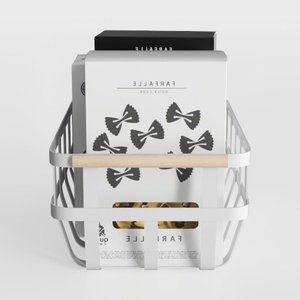
Minimalist White Metal Wood Storage Basket 3D Model
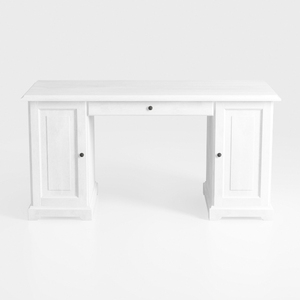
Minimalist White Solid Wood Office Desk With Storage Cabinets 3D Model
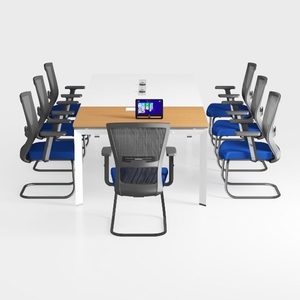
VINGLI Folding Chairs All Steel Metal Frame
Homestyler is your go-to online platform for home design! With its user-friendly design tool and stunning 3D rendering, you can effortlessly create, visualize, and customize your space. Plus, explore a wealth of design projects and video tutorials to inspire your next DIY project. Transform your home today!
지금 무료로 디자인하세요
































