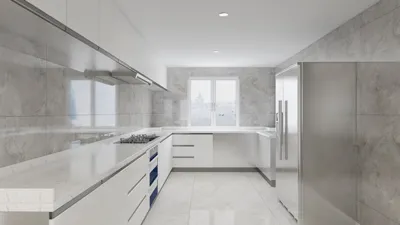


Over the past ten years, I’ve engaged in the design, renovation, and optimization of numerous air-conditioned event halls. One key characteristic stands out among the most impressive venues: their effortless ambiance. Attendees are unaware of the HVAC operations, lighting transitions, or circulation routes; they simply move, interact, and experience comfort. This guide encompasses the fundamental principles I employ in transforming spaces like Kumaran AC Hall, rooted in extensive research and honed through practical experiences.
Comfort is a tangible and quantifiable aspect. According to Steelcase, elements such as physical comfort, lighting quality, and acoustics are critical determinants of user experience and effectiveness in communal spaces. Their findings correlate thoughtfully designed spaces with increased satisfaction and engagement in various settings. Simultaneously, WELL v2 emphasizes that thermal comfort, lighting quality, and acoustic solutions are foundational aspects for occupant wellness, linking specific benchmarks to human outcomes. These two viewpoints—experience and standards—serve as the foundation for the approach outlined below.
Whether for receptions, conferences, or cultural events, the design objective is to ensure consistent comfort for varying crowd sizes. Attention to detail is paramount, from the arrangement of seating and aisle widths to maintaining horizontal illuminance levels of 300–500 lux on tables and controlling color temperatures between 2700–3500K during mealtime. I plan for rapid scene changes—transitioning smoothly from ceremonies to dining to dancing—while ensuring that acoustics, airflow, and wayfinding remain consistent.
Effective Spatial Planning for Seamless Events
I prioritize three undeniable factors: clear circulation, balanced density, and versatile zoning. For banquet setups, a typical guideline suggests 10–12 square feet per person around standard round tables, ensuring 6–8 feet of open space for primary aisles and 3–4 feet for secondary pathways. Events focused on the stage benefit from wide, shallow layouts to enhance audience connectivity while minimizing sightline obstructions. When optimizing table arrangements, I utilize room layout software to test multiple configurations quickly, ensuring catering access does not interfere with sightlines.
In venues frequently swapping layouts for ceremonies and dinners, I position power and low-voltage outlets along the perimeter with two central access points. This minimizes cable runs and keeps circulation paths free from tripping hazards. It's essential to align emergency exits with intuitive navigation—guests will naturally follow pathways that are well-lit and open—keeping exits easily identifiable from any location.
Enhancing Thermal Comfort in Air-Conditioned Halls
Thermal comfort transcends mere thermostat settings. I aim for a comfortable range of 22–24°C for mixed-attire gatherings, maintaining relative humidity levels between 40–55% to prevent discomfort. The WELL v2 recommendations stress the importance of monitoring and control; practically, this means zoning the HVAC system to allow the dance floor to dissipate heat without affecting cooler seated areas. Proper placement of return air grills is essential to reduce drafts at neck and shoulder height, and keeping airflow velocity low over dining spaces helps avoid disturbances like napkin flutter and glass sweating.
Heat loads fluctuate due to various factors: stage lights, projectors, crowded spaces, and hot food service all contribute to temperature changes. I schedule pre-cooling before events start, adjust fan speeds during speeches to limit background noise, and increase airflow again during breaks. Regular maintenance is crucial—dirty filters and poorly adjusted dampers can impair effective design within weeks.
Lighting Design for Mood and Functionality
Guests assess their surroundings through lighting; they read faces, seating arrangements, and menus while searching for great photo opportunities. I implement a lighting strategy that includes 300–500 lux on tables during meals, 150–200 lux ambient light in walkways, and softer illumination of 50–150 lux on walls. For color temperature, 2700–3000K is employed for dining (creating a warm atmosphere), while 3000–3500K suits ceremonies to reflect natural skin tones elegantly. Controlling glare is vital, incorporating lensed downlights, covered wall washers, and dimmable uplights, adhering to IES recommendations regarding glare and ambient/task lighting ratios.
Using preset scenes can streamline events: I create at least four settings—Welcome, Ceremony, Dining, and Dance. The Dance setting reduces general ambient light by 30–40% to allow decorative visual elements (gobos, wall grazers) to highlight the atmosphere without overwhelming the audience. Maintaining a Color Rendering Index (CRI) of 90 or above is recommended for capturing natural skin tones accurately in photographs.
Achieving Acoustic Comfort: Emphasizing Clarity and Minimizing Noise
Many event halls encounter issues with echo and speech clarity. I target a reverberation time (RT60) of approximately 0.8–1.2 seconds to support dialogue-focused events. Practical solutions include fabric-covered wall panels positioned at first reflection points, soft flooring solutions near seating areas, and ceiling clouds or baffles above the audience. Positioning subwoofers away from corners mitigates unwanted booming, and performing a simple room equalization test before events can ensure quality sound. For microphones, utilizing cardioid patterns and absorption materials around the stage minimizes feedback while maintaining warmth.
Areas designated for catering, bars, and photo opportunities often produce noise; I use soft partitions to lessen this sound and keep them clear of the stage axis. Should HVAC-related noise exceed NC-30/35 levels in guest zones, it's crucial to rebalance diffusers and incorporate lined ducts; guests will perceive reduced noise levels as improved air quality, even while airflow remains constant.
Seating Arrangements, Aisles, and Sightlines
Determining comfortable seating density involves both engineering and empathetic design. I ensure rows maintain an 18–20-inch gap from the back of one seat to the front of the next for easy exit, with enhanced comfort at 22–24 inches in premium areas. Limiting continuous rows to 12–14 seats without interruption guarantees access. When it comes to stages, I prefer heights of 24–36 inches in halls with ceiling heights of 12–16 feet, combined with an accessible ramp.
Sightlines can greatly improve if the first row of seats starts at 1.5 times the height of the stage, implementing a gentle incline in the mid-section if the hall allows. When reconfiguring seating isn't possible, tiering the stage backdrop and raising key performers using small platforms can help maintain visibility.
Effective Wayfinding and Behavioral Flow
The entry experience sets the initial impression. A clear entry point with soft lighting, welcome signage, and a concierge desk can prevent overcrowding. Guests are instinctively drawn to areas of light and activity; to facilitate smooth flow, I position bars diagonally across from the entrance, encouraging movement throughout the venue and minimizing congestion. Dessert tables and photo stations serve as additional focal points; spacing them with 6–8 feet of clear area will accommodate lines without obstructing exits.
Designated storage areas for gifts, equipment, and vendor materials are often overlooked but essential. A backstage pocket of 100–150 square feet near the stage can keep cables and cases concealed, maintaining the venue's aesthetic. For venues that frequently host weddings, creating a secluded prep room, approximately 80–120 square feet, near restrooms with a full-length mirror and steamer hooks can significantly enhance the experience.
Understanding Color Psychology and Material Selection
Using warm neutrals with low to medium saturation makes the space versatile for different décor styles. Research on color psychology reveals that red and orange can energize, while blue and green have a calming effect; thus, in event halls, I utilize color as accents—amber light for toasts and cooler teal tones during dance sessions—while keeping the base palette classic. Choosing durable materials is crucial: high-density commercial carpet tiles enhance acoustic absorption near seating, resilient stone or porcelain for high-traffic areas, and easy-maintenance semi-matte finishes help control glare.
Emphasizing sustainability can yield quick returns. Utilizing LED lighting with high efficiency reduces heat generation and can ease HVAC loads, while low-VOC materials prevent lingering chemical odors. Budget permitting, incorporating FSC-certified woodwork and recycled-content acoustic panels into designs is highly beneficial.
Ensuring Readiness for Power, AV, and Technology
An event can falter quickly due to microphone issues or tripped circuits. To prevent this, I ensure dedicated 20A circuits for stage lighting and sound systems, along with isolated ground connections where audio clarity is crucial. I standardize on dual-circuit floor boxes located every 20–24 feet and maintain spare conduits for potential future needs. Additionally, establishing a hardline Ethernet connection at the front of house (FOH) for streaming purposes is essential, as relying solely on Wi-Fi can be unreliable.
In terms of screen arrangements, it's best to avoid placing projections across main traffic routes. Utilizing short-throw projectors or LED screens close to the stage minimizes shadowing. Integrating house lighting with DMX or DALI control systems creates a seamless experience, allowing for comfortable fades and cues without distracting guests.
Creating Flexible Layouts for Various Events
A versatile hall can accommodate a corporate meeting in the day and a cultural celebration at night when employing a modular layout strategy. For dinners, I utilize 60-inch round tables seating 8–9 individuals with 72–78 inches of distance between table centers to ensure smooth service. For theatrical presentations, I stagger seating arrangements in a chevron style for better sightlines. In exhibition scenarios, I designate 10x10 foot booths with 8-foot wide aisles and place quiet lounge areas on the periphery to prevent overcrowding in the center. Using layout planning tools to visualize clearances, egress, and AV reach before finalizing the setup is invaluable.
Operations: The Key Final Touches That Elevate Events
I develop a comprehensive playbook for each venue that includes details on cooling schedules, scene presets, cleaning processes to protect finishes, and a post-event HVAC purge plan for improving indoor air quality. Staff training on rapid layout changes and effective cable management is vital. Having a toolkit with gaffer tape, spare uplights, extra XLRs, a handheld dB meter, and a laser measure can transform disarray into a well-coordinated operation.
Frequently Asked Questions
Maintain a comfortable environment at 22–24°C with 40–55% relative humidity. It’s crucial to zone the HVAC system, allowing for independent control of dance floors, kitchens, and seating areas to handle varying heat loads effectively.
Aim for 300–500 lux on dining tabletops and around 200–300 lux for stage presentations, maintaining 150–200 lux ambient light. Utilizing dimming functions and presets can facilitate seamless transitions between different event scenarios.
Utilize 60-inch round tables with 8–9 seats each and ensure 72–78 inches of space between table centers. Maintain 6–8 feet for main aisles and 3–4 feet for secondary aisles for service access and egress.
Incorporate fabric-wrapped wall panels and ceiling baffles to achieve an RT60 of around 0.8–1.2 seconds. Position subwoofers away from corners and opt for cardioid microphones to minimize feedback issues.
Stick to 2700–3000K lighting for dining areas and 3000–3500K for ceremonies and speeches. Ensure a Color Rendering Index (CRI) of 90 or higher to maintain natural skin tones in photographic documentation.
Clearly illuminate entry and exit points, align exits with natural pathways, and keep bars or focal points away from the doorway to promote fluid movement throughout the space.
Ensure dedicated 20A circuits for stage lighting and sound systems, implement dual-circuit floor boxes every 20-24 feet, and maintain a hardline Ethernet connection at FOH with extra conduits for future technologies.
Pre-arrange furniture placements, stage skirting, and cable routes. Utilize labeled floor plans and room layout software to assess sightlines and ensure clearances prior to the event.
Combine high-density commercial carpet tiles in seating areas, durable hard surfaces in service routes, fabric-wrapped acoustic panels at reflection points, and low-VOC materials for enhanced air quality.
Aim for noise levels of NC-30/35 in audience areas. Employ lined ducts, low-velocity diffusers, and adjust fan speeds during presentations while maintaining thermal comfort.

Looking to transform your space effortlessly? Homestyler offers a user-friendly online design tool, incredible 3D rendering features, and a wealth of inspiring design projects and video tutorials. It's the ultimate platform for turning your home design dreams into reality, regardless of your experience level!
Design jetzt kostenlos
































