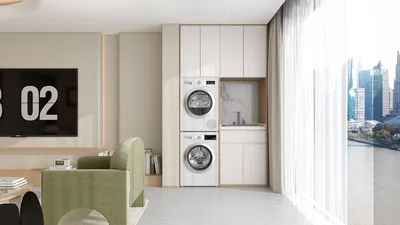


For over ten years, I've dedicated my efforts to designing community spaces that serve a variety of purposes, from town meetings to pop-up markets. The Sana Community Hall exemplifies the need for such adaptable environments—spaces that effortlessly transform, lighting that transitions from functional to ambient, and durable finishes that invite usage while remaining resilient. When designed effectively, the hall evolves into a civic hub: inclusive, intuitive, and user-friendly, enhancing community interaction. These elements can be visualized with tools like Homestyler, which allows for 3D modeling of spaces.
When crafting these versatile spaces, I heavily rely on data analytics to ensure comfort and effectiveness. According to the WELL v2 guidelines, maintained illuminance in multipurpose areas should range between 300 and 500 lux for general tasks, with increased brightness for detailed tasks (v2.wellcertified.com). Research from Steelcase indicates that environments offering flexibility, through movable furniture and adjustable lighting, enhance engagement and perceived productivity in shared spaces (steelcase.com/research). Leveraging these metrics allows me to establish a foundational layout and then infuse unique character through material selection and color.
Functional Zoning that Adapts Quickly
Successful community halls excel in their ability to rapidly change configurations. I identify three primary zones: a flexible central hall, a service corridor (storage, catering, AV equipment), and a transition space (lobby area). The main hall utilizes a modular grid—featuring mobile tables on wheels, nesting chairs, and stackable platforms—to transform from a 150-seat lecture space to a 20-table workshop in under 20 minutes. Circulation paths of 1.8 to 2.0 meters ensure clear exits, even when the area is densely arranged. Using a straightforward room layout tool, I can simulate seating arrangements, sightlines, and ADA-compliant routes before final purchases are made, incorporating Homestyler for visual enhancements.
Illumination Environment: Brightness, Color Temperature, and Glare Management
The lighting scheme must smoothly transition from formal civic gatherings to festive celebrations. For daytime meetings, I recommend a target of 400 lux at desk height with a neutral color temperature of 3500 to 4000 K to foster alertness without being harsh. During evening events, dimming to between 150 and 200 lux and shifting to warmer tones at 2700 to 3000 K using tunable LEDs is ideal. Implementing indirect uplighting on trusses minimizes glare; the IES suggests controlling brightness ratios to lessen visual fatigue (ies.org/standards). Acoustic baffles can also function as light shelves, diffusing luminaires while absorbing sound—this results in a clean dual-purpose design that contributes to a calm ceiling profile.
Acoustic Comfort: Enhancing Speech Clarity
Clear communication is vital in community dialogue, yet it falters in echo-prone environments. I aim for a reverberation time (RT60) of about 0.7 to 1.0 seconds for spoken events in medium-sized halls. This is achieved with a tri-layer method: incorporating perforated wood or PET felt on upper walls, movable acoustic panels that can be deployed for performances, and carpets or rugs in seating arrangements. Ceiling clouds covering 30 to 50% of the area help reduce flutter echoes while maintaining mechanical access. For amplified events, position the AV rack within the service corridor and employ distributed ceiling speakers to mitigate sound hotspots.
Color Psychology and Community Identity
Color serves as a significant anchor for civic identity and behavior. Utilizing calming, desaturated greens and blues in the main hall lowers perceived stress and enhances focus, while vibrant accents like terracotta, saffron, or coral denote social gathering areas. Various studies highlighted by Verywell Mind indicate blue is linked to trustworthiness and green to equilibrium and healing (verywellmind.com/color-psychology). I strategically reserve bold colors for directional bands, stage backdrops, and furniture accents, while keeping expansive wall areas neutral to showcase rotating community artwork.
Human-Centric Design: Accessibility, Flow, and Storage
Ergonomics play a discreet yet vital role in performance. Chair heights between 17 to 19 inches, table surfaces at 28 to 30 inches, and at least one adjustable-height work station ensure comfort for various body types. I recommend allocating 5 to 7 cubic meters of on-grade storage per 100 square meters for chairs, tables, signage, and AV materials. Utilizing pegboards, organized bins, and vertical carts helps streamline setups. Door hardware with lever handles, 900 mm wide openings, and a turning radius of 1500 mm maintain accessibility for all users. The service corridor should align with a loading door to discreetly shield operational activities from public view.
Adaptive Furniture and Micro-Zones
I design small micro-zones that can quickly appear or vanish. Relaxation clusters with easy-to-clean polypropylene seats and petite round tables promote informal social interaction. High-topped tables equipped with power outlets serve as coworking spaces for young adults and freelancers. Mobile whiteboards can delineate workshop areas; these can be flipped to exhibit community announcements after events. Additionally, a small platform stage with stackable risers can transition between a dais for council discussions or a performance area for school shows.
Material Choice and Longevity
Community halls encounter high traffic from various activities. My recommendations include LVT or rubber flooring for durability and ease of cleaning; robust, stain-resistant upholstery with removable covers; and high-scrub finish paints (eggshell) for walls. Entry mats featuring a three-stage debris control system—scraper outside, textile mat in the vestibule, and a final lobby mat—help protect inner finishes. If budgets allow, consider using acoustic panels made from recycled content and FSC certified plywood. Materials chosen should also be reparable—maintaining a small stockpile of spare planks, tiles, and fabrics for consistency after wear and tear.
Lighting Management and Energy Efficiency
A layered approach to lighting circuits—general, perimeter, stage, and accent—affords staff precise management. Occupancy sensors in storage areas and restrooms reduce energy waste, while manual overrides in the main hall prevent unintended blackouts during events. Simple preset scenes (meeting, workshop, performance, market) enable volunteers to manage operations without extensive training. Tunable fixtures allow for rapid mood changes; pairing them with blackout shades is practical for events with significant projection use.
Guiding the Community: Wayfinding, Branding, and Narrative
Effective wayfinding starts curbsid. Clear, contrasting exterior signage illuminated to 50–100 lux at night leads visitors to a welcoming entryway. Internally, color bands and recognizable icons navigate attendees to restrooms, storage, and the stage area. I propose a ‘community ledger’ wall showcasing dedications, partners, and past events to reinforce a sense of belonging. The transition zone includes digital boards which display schedules and emergency announcements.
Outdoor Integration and Expansive Spaces
If Sana features a paved forecourt or lawn, consider it an extension of the hall. Incorporate outdoor power sources, string light attachments, and water access for markets and festivals. Durable benches and planting areas foster pre-event socializing. Strategically placing tall grasses or shade trees softens the edges of the space; consider adding a small canopy for protection from rain.
Safety, Operations, and Maintenance
Effective operations are often unnoticed by visitors. Equip the lobby area with first-aid kits and AED cabinets. Keep a handy event manual detailing room setups, power details, AV inputs, lighting presets, and cleanup protocols. A labeled cable management kit (including HDMI, XLR, and power strips) ensures smooth operations without last-minute rushes. Schedule regular checks for the maintenance of chairs, ladder safety, and the stability of stage risers. Implementing a straightforward booking grid will allow sufficient time between events for necessary resets.
Different Layout Scenarios: From Community Forum to Market Day
Three common layouts can accommodate about 80% of typical needs: Lecture-style (arranging seats in rows with a pitch of 900-1000 mm for 150 attendees, including a center aisle for viewing the stage); Workshop (20 tables organized for four participants with 1.8 m egress aisles alongside mobile whiteboards and power outlets); Market (perimeter stalls with a central circulation route and a cash-handling area located near the staff desk). Creating each scenario once, photographing it, and storing the layouts in the event manual is beneficial. Additionally, utilizing interior layout planning software can facilitate testing of crowd movement and ADA compliance before the upcoming season.
Budget Prioritization: What to Implement First
Phase 1 should focus on lighting adjustments (dimming and zoning), foundational acoustic treatments (installing ceiling clouds), and the procurement of mobile furniture. Phase 2 can involve optimizing storage and refreshing materials. Phase 3 may be dedicated to enhancing the landscape and adding outdoor power access. Prioritizing changes that lighten the workload for staff while enhancing usability allows community value to blossom.
Frequently Asked Questions
For meetings and workshops, the target should be around 400 lux at the workspace, alongside a neutral color temperature of 3500 to 4000 K. For social events in the evening, a softer 150 to 200 lux with a warmer tone of 2700 to 3000 K creates a relaxed environment, achievable with tunable LEDs and dimming features.
An RT60 goal of approximately 0.7 to 1.0 seconds in a medium-sized hall ensures clear speech. To achieve this, integrate ceiling clouds, upholstered panels, and partially soft flooring materials.
Incorporate nesting chairs, flip-top tables with wheels, mobile whiteboards, and modular risers. Ensure that these items are stored orderly in labeled carts, with clearly designed circulation paths for quick transformations.
Utilize adjustable shades, indirect lighting methods, matte finishes for surfaces, and strategically position projectors away from light sources. Maintaining balanced luminance ratios is crucial to minimizing eye strain.
Opt for neutral colors for walls and ceilings, complemented by desaturated greens and blues for calming effects. Implement warm accent hues in social gathering zones and wayfinding elements to energize and guide visitors effectively.
Plan for around 5 to 7 cubic meters of storage for every 100 square meters of hall space, ensuring accessibility from a service corridor that lines up with the loading door. Employ vertical carts to maximize storage efficiency.
Design four straightforward scene presets—meeting, workshop, performance, market—accessible via station controls. Make sure to include manual overrides and clearly label all circuits for user-friendliness.
Absolutely. Install outdoor power sources, durable surfaces, flexible stalls, and a central circulation loop. Indoors, consider using perimeter booths and positioning a cash-handling site close to the staff work area.
Establish ergonomic heights for furniture (17 to 19 inches for seats, 28 to 30 inches for tables), maintain unobstructed routes, offer diverse seating options, and ensure proper task lighting is installed throughout.
Choose LVT or rubber flooring, high-scrub paints, stain-resistant upholstery with removable components, alongside recycled PET acoustic panels. Maintain an inventory of spare materials for timely repairs after damages.

Homestyler is an outstanding online platform for all your home design needs. With a user-friendly design tool, stunning 3D renderings, and a wealth of DIY video tutorials, you can effortlessly create and visualize your ideal spaces. Transform your home with creativity and confidence today!
Zaprojektuj teraz za darmo
































