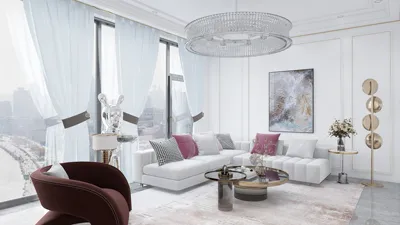


Designing a Seetha Rama Hall that can easily adapt for various cultural gatherings, weddings, community meetings, and performances begins with a clear understanding of spatial intention and flow. I envision a modular framework—areas that can be quickly reconfigured—allowing the hall to transition from devotional seating to banquet service or stage-oriented events in just a few hours. This adaptability transcends mere movable chairs; it encompasses a cohesive approach to layout logic, lighting layers, acoustics, and materials working harmoniously. The WELL Building Standard (v2) suggests that balanced lighting and glare control can mitigate visual fatigue, enhancing overall comfort. Furthermore, it stresses the significance of acoustics in reducing cognitive load. Research by Steelcase indicates that flexibility is a key factor in satisfaction within multifunctional spaces, with users appreciating environments that adjust seamlessly without compromising comfort.
Data-driven decisions form the foundation of the design. The Illuminating Engineering Society recommends a target illuminance for multipurpose assembly areas typically ranging from 300 to 500 lux for general tasks, complemented by increased levels in focal areas (according to IES standards). In terms of color strategy, a review from Verywell Mind highlights that warm shades (like saffron and amber) can encourage a sense of community, while cool tones (such as soft blues) serve to soothe larger crowds—beneficial when alternating between festive and reflective events. Acoustic comfort plays a critical role; the WELL v2 standard emphasizes that managing reverberation and background noise is essential for reducing stress and enhancing speech clarity, especially in spaces characterized by hard surfaces and high occupancy.
Space Planning: Enhancing Flow for Versatility
I categorize the hall into three functional zones: a central performance/ceremony core, a flexible seating area, and an outer support ring (comprising service aisles, storage, AV control, and catering access). This arrangement allows for independent circulation from the main program, enabling staff and attendees to navigate even amidst active ceremonies. When layouts transform—from theater setups to banquet arrangements—this zoning logic guarantees that sightlines and exit access remain secure. For rapid iterations and stakeholder feedback, utilizing a room layout tool can effectively visualize seating density, stage placements, and service areas before finalizing rentals.
Seating Arrangements: Theater, Banquet, and Devotional Configurations
I standardize seating options with stackable, lightweight designs, maintaining 18–20 inch widths for comfort and ADA accessibility in aisles. Theater mode maximizes sightlines with a gentle fan layout; banquet mode employs 60-inch round tables spaced 10 feet apart for service access; devotional settings benefit from linear arrangements aligned with the sacred space or stage, featuring a clear central aisle. Perimeter storage facilitates swift transitions: chairs on dollies, folding tables, and modular risers marked by zone. It's crucial to maintain aisle dimensions—ideally between 1.2 to 1.5 meters clear—to prevent congestion during peak entry and exit.
Stage and Focal Points: Ensuring Clear Sightlines and Adaptable Platforms
A modular stage (600–900 mm high) equipped with removable ramps and side steps is designed to accommodate performances, speeches, and ritual activities. I establish platform depths at 3.6–4.8 meters for small groups and 6 meters for larger cultural occasions. Drop-in backdrop rails support drapery to enhance devotional focus or brand visibility during events. Integrating side wings enables discreet performer access, while the focal area or sanctuary should be elevated sufficiently for visibility without impeding fire exits or circulation paths.
Acoustic Comfort: Managing Reverberation, Speech, and Music
Large halls often face challenges with flutter echoes and excessive reverberation times. I target an RT60 of 1.2–1.8 seconds for effective communication and musical clarity. This is achieved through a balanced acoustic design, including ceiling clouds above the seating area, soft wall treatments (such as fabric panels or slatted wood with mineral wool backing), and sound-absorptive drapery that also adds visual warmth. Diffusers placed near the rear walls help to disrupt standing waves, while a low-noise HVAC system (NC 30–35) maintains ambient sound levels below the threshold that could obscure speech. Strategic microphone selection and a distribution of speakers help reduce the need for elevated volume, minimizing audience fatigue.
Lighting Strategies: From Ceremonial to Performative Ambiance
I construct a four-layer lighting system: ambient (300–500 lux), task (focusing on stage, catering preparation, and reception areas), accent (highlighting sanctum/symbolic elements and artwork), and decorative (pendants or chandeliers that establish a festive atmosphere). Dimmable drivers with flicker-free controls ensure stable recordings during weddings and performances. Warm settings of 2700–3000K enhance skin tones and golden fabrics during rituals, whereas cooler temperatures of 3500–4000K promote alertness ideal for conferences or study sessions. Implementing glare control through baffles and indirect uplighting keeps luminance ratios comfortable during events with high attendance.
Color Psychology and Cultural Representation
Colors evoke feelings and convey meaning within a Seetha Rama Hall. I employ a neutral base (soft taupe, off-white) to maintain adaptability, then infuse cultural patterns and colors through textiles, banners, and lighting gels that can be changed according to the event. Warm tones like saffron and vermilion convey celebratory energy, while sage or deep blue foster focus for recitals or meditative occasions. The insights from Verywell Mind endorse the use of warm shades to promote sociability and cool hues for calming larger groups, aligning with how guests engage in rituals compared to feasts.
Materials and Maintenance: Balancing Durability and Elegance
Floors that endure high traffic must be both abrasion-resistant and easy to maintain. I favor stone or terrazzo in entrance areas; inside the main hall, dense hardwood or sports-grade vinyl presents resilience and offers superior acoustic dampening compared to polished stone. Wall bases should be impact-resistant, and chair rails protect finishes from frequent reconfigurations. Fire-rated drapery, treated woods, and low-VOC finishes ensure air quality is consistent. Storage solutions are tailored for common chair and table sizes, with clear labeling for efficient turnarounds.
Human Factors: Prioritizing Ergonomics and Wayfinding
Comfort significantly influences duration of stay and overall satisfaction. Ergonomic seating (lumbar support, breathable materials) and unobstructed sightlines mitigate restlessness and discomfort. I implement bilingual, high-contrast signage at crucial decision points, with tactile indicators to facilitate inclusive navigation. Aisles are designed to accommodate wheelchairs and strollers, while resting areas with benches near entrances provide support for elderly guests during peak times. For busy events, I establish queue lanes with stanchions and design buffer zones for ushers to effectively guide flow without creating blockages.
Support Spaces: Catering, Storage, AV, and Restrooms
Even the most stunning hall cannot perform optimally without supporting facilities. I strategically place catering pantries with direct service access to the banquet area, ensuring minimal cross-traffic with entry lines. AV control booths are positioned at the rear centerline for optimal visual and acoustic alignment. Storage rooms should access service aisles directly, keeping them separate from public spaces, and include vertical storage for stage materials, cable organization, and textiles. Restrooms are designed to accommodate peak occupancy, with family and accessible stalls located near entries to minimize travel during events.
Landscape and Entry: Thresholds That Establish Atmosphere
The sequence of arrival shapes overall perception. Canopies for weather protection, shaded drop-off areas, and clearly marked pathways guide guests from parking directly to the hall without confusion. Soft landscaping and water features reduce traffic noise and create a moment of contemplation before entry. In the evening, layered exterior lighting ensures safe navigation without harsh brightness, maintaining visibility levels consistent with interior lighting to prevent uncomfortable transitions from bright to dark.
Flexibility Playbook: Rapid Reset Procedures
To optimize versatility, I outline reset protocols: labeled carts, floor plans taped in storage areas, and lighting presets specific to events. Ushers and support staff follow checklists based on zones, and AV setups are saved for regular formats (such as devotional, banquet, performance, community meetings). Utilizing an interior layout planner accelerates adaptations and stakeholder approvals for varying seating densities while ensuring compliance with fire codes.
Budget and Sustainability: Investing Where It Counts
I prioritize investments in lighting controls, acoustic treatments, and storage solutions first, as they significantly enhance value across diverse event types. Choosing durable finishes lowers lifecycle expenses, and selecting low-VOC materials benefits occupant health. Utilizing reusable decor and modular furnishings reduces waste. Also, incorporating energy-efficient LED fixtures with high performance and serviceable components simplifies maintenance over time.
For the latest recommendations on lighting and wellness, the WELL v2 standards provide benchmarks for glare management and acoustic satisfaction, while the IES illuminance ranges guide practical lighting design goals. These resources underpin the hall's adaptability grounded in measurable comfort rather than trial-and-error approaches.
FAQ
Q1: What light levels are appropriate for a multifunctional hall?
A: The recommended ambient lighting range of 300–500 lux is suitable for most gatherings, with higher levels concentrated on the stage and other working areas, as advised by the IES. Dimmable, flicker-free controls facilitate transitions between ceremonies and performances.
Q2: How to enhance speech clarity without excessive amplification?
A: Control reverberation times (aim for RT60 around 1.2–1.8 seconds) using ceiling clouds, fabric wall treatments, and rear-wall diffusion strategies. Ensure uniform speaker distribution and select high-quality microphones to minimize the need for increased volume.
Q3: Which seating configurations work best for devotional and banquet functions?
A: Devotional layouts benefit from linear seating aligned with the sanctuary and a central aisle for processions; banquet arrangements typically utilize 60-inch round tables spaced about 10 feet apart to facilitate service. Maintaining aisle widths of 1.2–1.5 meters ensures comfortable movement.
Q4: What color temperatures should I consider for different events?
A: Warm color temperatures between 2700–3000K create an inviting, ceremonial atmosphere, while cooler temperatures around 3500–4000K promote attentiveness for conferences and community gatherings. Combine these temperatures with dimming options to precisely adjust the mood.
Q5: What strategies are effective for quick event turnovers?
A: Standardizing furniture, labeling storage carts by zone, and defining lighting presets in advance are key. Keep floor plans and checklists visible in storage areas. Utilizing a room design visualization tool expedites staff understanding for the upcoming setup.
Q6: Which materials can provide both durability and sound absorption?
A: Consider resilient flooring options, such as dense hardwood or sports vinyl, for their durability and moderate sound absorption capabilities. Pair these with acoustic wall panels, drapery, and ceiling treatments to manage reverberation without sacrificing aesthetic appeal.
Q7: How can I ensure accessibility and effective wayfinding?
A: Provide clear bilingual signage, tactile indicators, and spacious aisles. Include seating areas near entrances for resting and ensure accessible restrooms and family-friendly stalls are located in key circulation areas.
Q8: What target noise levels should I aim for in HVAC design?
A: Keeping mechanical systems within NC 30–35 is advisable to ensure background noise levels do not interfere with speech clarity. Proper duct lining and vibration isolation can significantly reduce unwanted sounds in larger halls.
Q9: How can I express cultural identity without limiting flexibility?
A: Implement a neutral color palette as a base, then layer in cultural representation through adjustable textiles, banners, and lighting accents. This approach allows for rapid shifts from festive occasions to contemplative settings.
Q10: Where is the optimal location for the AV control booth?
A: Positioning it at the rear centerline ensures the best sightlines and acoustic monitoring, while providing secure cable pathways along service aisles to prevent tripping dangers in public areas.
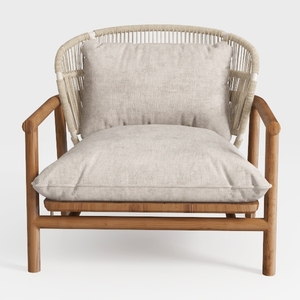
ANJ Modern Arm Chair, Mid-Century Modern Accent Ch
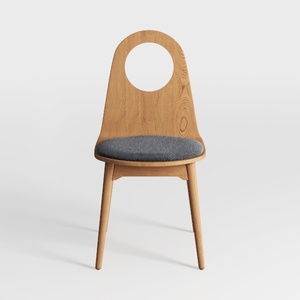

MILCIL Swivel Accent Chair Living Room Chair with

Minimalist Tan Leather L-Shaped Sectional Sofa 3D Model
Homestyler is your go-to online platform for effortless home design! With its user-friendly design tool, stunning 3D renderings, and a wealth of DIY video tutorials, transforming your living space into a dream home has never been easier. Explore, create, and inspire yourself today!
Concevez maintenant gratuitement
































