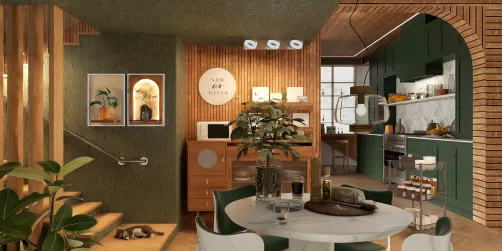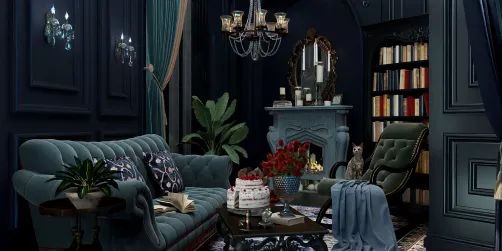



When designing a living room, I incorporate the principles of Vastu Shastra, while harmonizing modern ergonomics, lighting, sound, and material quality. The aim is to create a space that feels welcoming, operates smoothly, and effortlessly supports everyday life. The fundamental concepts of Vastu—including appropriate orientation, unobstructed circulation, and balanced elements—can complement evidence-based design, often resulting in areas that users truly enjoy. To achieve this balance, using tools like Homestyler can be incredibly effective.
Orientation and Entry: Setting the Tone
Vastu recommendations suggest that living rooms should ideally be oriented towards the north, east, or northeast to harmonize social activities with gentle morning light and a more tranquil ambiance. This is supported by practical lighting research, like the WELL Building Standard, which identifies access to natural light and circadian-friendly lighting as essential elements for enhancing mood and focus. Steelcase's exploration of workplace environments reveals that well-lit spaces correlate with increased satisfaction and well-being. When designing entryways that flow directly into the living room, I maintain an open sightline while introducing a threshold element, such as an entry rug or a console table, to ease the transition and uphold privacy. For projects needing layout affirmation, I often utilize layout simulation tools like Homestyler to explore circulation paths.
Sun Path, Windows, and Light Levels
Windows facing east are ideal for capturing calming morning light, perfect for cozy reading spots or casual dining areas, while west-facing windows often require shading to reduce late-afternoon glare. The Illuminating Engineering Society recommends an illumination level of roughly 100-300 lux for living spaces, with brighter task areas, such as reading nooks, benefiting from 300-500 lux. Employing a layered lighting approach—with ambient ceiling lights at around 2700-3000K, wall grazers for additional texture, and dimmable task lamps—allows for precise control over the lighting environment. To prevent glare, I choose indirect light sources and matte finishes near bright windows, minimizing visual strain. I align light temperatures with behavioral patterns: warmer hues for evening gatherings and neutral shades for daytime tasks, steering clear of extremes that may create uncomfortable atmospheres.
Layout Logic and Circulation
According to Vastu, maintaining a clear center in the room is essential, hence, I avoid oversized furniture that obstructs the core space. It’s vital to keep primary pathways free—ideally at least 900 mm—to prevent congestion and visual clutter. Seating arrangements are best positioned facing east or north to encourage social interaction in well-lit areas. If the TV wall is situated towards the west, using drapes or uplighting can help guard against low sun glare. Clutter in corners often diminishes energy; I counteract this by incorporating slimmer storage solutions or plants that soften edges without disrupting flow. For iterating various door, window, and furniture relationships, I design layouts using interior planners such as Homestyler to visualize seating and flow dynamics.
Color Psychology and Element Balance
In Vastu, the northeast corresponds with lighter shades while the southern regions are linked to warmer, grounding colors. This is echoed in color psychology research indicating that soft blues and greens can alleviate stress, while warm neutrals enhance sociability. According to Verywell Mind, blue tones often promote tranquility and dependability, whereas sparing use of yellow can instigate energy and cheerfulness. I establish a base with airy neutral colors (like off-white or pale stone) and introduce warmth through textiles and timber accents. Diligently employed metallic accents in brass or bronze can inject a subtle touch of warmth without overwhelming the decor; mirrors should be carefully positioned on north or east walls to reflect light rather than the seating areas directly.
Furniture Placement and Proportions
Initiate the design with the primary seating arrangement, ensuring there’s ample conversational space—between 2.4 and 3.0 meters is generally ideal for medium-sized rooms. Coffee tables should maintain a distance of 350-450 mm from seating edges to ensure comfortable access, with side tables conveniently located near every seat to minimize disruptions. In terms of Vastu, heavier furniture like bookcases should ideally be placed in the south or west, while lighter pieces belong in the north or east. Creating a visually appealing balance is crucial; alternating solid and open designs can prevent a heavy, static impression. If a pooja shelf is to be included, it should be positioned towards the northeast, ensuring it remains in eyesight but not overshadowed by entertainment elements.
Ergonomics and Human Factors
For optimal comfort, I recommend a seat height of around 430-460 mm to facilitate easy movement. Sofas designed with lumbar support (approximately a 100-110 degree recline) can help reduce fatigue during extended social gatherings. The ideal viewing distance from the TV should be about 1.4 to 2.0 times the screen's diagonal measurement; mount the screen at a height that places the center near eye level when seated. The WELL v2 Comfort framework stresses the importance of posture support; in living rooms, this translates to a variety of seating options (like a sofa, lounge chair, and pouf) to cater to diverse body types and daily activities. Keeping doorways unobstructed and avoiding placing the main sofa with its back facing the entrance is key; if unavoidable, adding a console or plant can serve as a psychological buffer.
Material Selection and Sustainability
Opting for natural woods, eco-friendly fabrics, and low-VOC finishes aligns with Vastu's emphasis on purity and supports improved indoor air quality. The WELL v2’s Air framework highlights the importance of controlling material emissions; I prefer to specify Greenguard-certified finishes whenever feasible. Choosing wool or cotton for rugs can enhance both sound absorption and tactile comfort, while balancing reflective materials (like stone or glass) with soft textiles or timber can create a pleasing auditory environment. Should metal be incorporated as an accent, it is advisable to select warmer tones for social zones and cooler tones for study areas, to subtly differentiate between active and calm spaces.
Acoustic Comfort and Behavior
Living rooms often serve the dual purpose of being media spaces as well, so managing reverberation with soft furnishings—like rugs, curtains, and upholstered seating—is essential. The arrangement of speakers should avoid central positioning in the northeast; symmetrical placements help maintain a balanced sound quality. Understanding behavioral patterns is critical: bright spaces like children's play areas are better suited on the eastern side, while quieter reading nooks should reside in the north. Additionally, keeping doorways clear of backed seating mitigates surprise responses when someone unexpectedly enters the room.
Air, Light, and Planting
According to Vastu, incorporating fresh air and greenery is beneficial; select low-allergen plants that thrive in indirect light for placement near east or north-facing windows. Ensuring cross-ventilation can enhance comfort, and operable windows will aid in diluting indoor pollutants. I recommend layering window treatments—using sheer fabrics for daytime light diffusion and lined drapes for evening privacy. To maintain a serene environment, avoid positioning large plants directly behind seating, as this can create an uncomfortable visual press.
Storage, Clutter Control, and Ritual Objects
Built-ins along the southern or western walls ensure that bulky storage doesn’t disrupt lighter northern or eastern spaces. I advocate for concealed storage for media equipment, reserving open shelves for curated items to avoid visual clutter. In cases where ritual objects are included, they should be positioned slightly above seated eye level and kept visible without competing against entertainment features. A small brass diya or candle can be elegantly placed in the southeast during gatherings, balanced by a bowl of water or a plant in the north to stabilize the fire-water dynamic.
Simple Zoning Blueprint
- Northeast: A quiet corner with a pooja niche, reading chair, and task lamp.
- East: Social seating area to capture morning light, perfect for casual conversations and breakfast.
- North: Work or study alcove, minimizing heavy storage in this area.
- West/Southwest: Media wall or library; ensure glare and heat gain are managed effectively.
- South/Southeast: Space for accent lighting or art, with clear pathways maintained.
Vastu Remedies for Challenging Plans
Not every home allows for optimal orientation. In instances where the living room is placed on the southwest, I augment stability through heavier furnishings in that area, while keeping the northeast lighter. If seating must face west, it’s crucial to prioritize glare control, incorporating warm, dimmable lighting for evenings. Should mirrors be necessary for light, they should reflect windows rather than direct entrances to enhance harmony in the space.
Designing for 2024–2025 Lifestyle Trends
In the evolving landscape of living spaces, flexible seating solutions, integrated charging capabilities in side tables, and discreet technology like cord management and artfully disguised acoustic panels are becoming essential. Biophilic design elements—such as wood accents, textured upholstery, and soft green tones—are gaining traction. My clients increasingly desire calming color schemes with fewer, high-quality objects. Additionally, smart dimming paired with warm LED lighting allows for excellent atmospheric control, creating smooth transitions without jarring contrasts.
Authority References
- The WELL Building Standard (v2) emphasizes the importance of daylight access, glare management, and user-induced adjustability for overall well-being—explore these resources at WELL v2.
- Steelcase research consistently connects natural light and overall environmental quality with user satisfaction; refer to Steelcase Research for deeper insights.
FAQ
The north, east, or northeast orientations are ideal as they provide serene energy and morning light, contributing to increased alertness and social comfort. If the design dictates a different location for the living room, balance can be achieved through lighting and color, with heavier storage allocated towards the south or west sides.
To optimize flow, keep the center of the room free, orient seating towards the east or north where feasible, and ensure circulation paths remain at least 900 mm wide. Side tables and varied heights in seating can accommodate diverse user preferences.
For a cozy atmosphere, employ warm ambient lighting (2700-3000K) in the evenings, neutral tones during daytime, and targeted lighting around the reading area aiming for 300-500 lux. Use shades and indirect sources for glare control, following guidance from the IES for living spaces.
Position heavy furniture and media units against the south or west walls, thereby keeping the north and east visually lighter, which aligns with the room's energetic flow.
Mirrors should be utilized on north or east walls to enhance light, avoiding direct reflections of the entrance or the seating areas. Instead, angle them to bounce natural light from windows into the room.
For an airy feel, choose light neutrals for larger surfaces and incorporate calming blues and greens along with warm accents that foster sociability. Strategically place brighter elements to maintain balance, avoiding overstimulation.
To manage acoustics effectively, layer rugs, curtains, and upholstered seating, while incorporating options such as bookshelves or fabric panels on the west or south walls. This will help regulate sound reflections, ensuring clarity in conversation without overwhelming echoes.
Utilize heavier storage solutions and grounding hues for the southwest, maintain lighter tones in the northeast, and prioritize glare mitigation for any windows facing west. Dimmable warm lighting in the evenings greatly enhances comfort.
Absolutely—the northeast is optimal. It’s essential to maintain a calm visual aspect by positioning ritual objects slightly above seated eye level while keeping them distinct from media elements to prevent functional conflicts.
Exploring various design options and validating open space with a room visualization tool can help clarify clearances and seating arrangements: a reliable room design simulation tool can assist greatly.
Select plants that are low in allergens and thrive with indirect light, placing them close to east or north-facing windows. It's advisable to avoid large plants directly behind seats to minimize the feeling of visual pressure.
Ensure a comfortable distance of 350-450 mm between the edge of the sofa and the table to allow for convenient reach without excessive stretching.
The recommended viewing distance from the TV screen is approximately 1.4-2.0 times the screen’s diagonal size, while keeping the center of the screen positioned close to eye height when seated for comfortable viewing.
Utilize closed storage for media devices, curate open shelving for decorative items, and maintain clear pathways. Bulky furniture and storage should favor the southern or western areas, allowing the north and east to remain less congested and energetically lighter.
What began as an Autodesk innovation has evolved into a design platform used by more than 20+ million registered users (platform data, 2026) around the globe. Homestyler combines powerful rendering, an intuitive editor, and a vast furniture library to help you turn inspiration into photorealistic designs — whether you're redesigning a single room or planning an entire home.


Cute Cartoon Rabbit Shaped Side Table with Built in Lamp 3D Model

Velvet Tufted Contemporary Sofa 3D Model
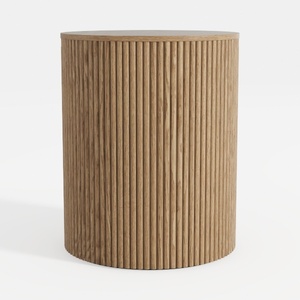
Minimalist Fluted Oak Round Side Table 3D Model
Discover the brilliance of Homestyler, your go-to online home design platform! With its user-friendly design tool, stunning 3D renderings, and a plethora of design projects and DIY video tutorials, you can unleash your creativity and effortlessly transform your space into a stunning masterpiece.
Concevez maintenant gratuitement






![Design [4]](https://hs-designs.homestyler.com/production/design/images/07c2de3a-88ec-4be8-8910-ff255b795bc2/1731419398293/7841697.jpg?x-oss-process=image/resize,w_502,m_mfit/format,webp)

![[For dear Adelina madee 🤎]](https://hs-designs.homestyler.com/production/design/images/8a07e535-9cbc-4132-a42a-5932dac3a112/1706972286037.jpg?x-oss-process=image/resize,w_502,m_mfit/format,webp)