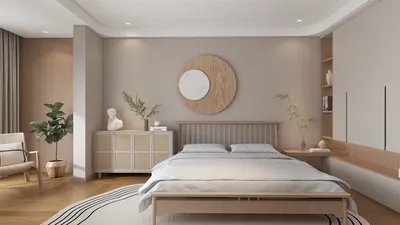


When I think about the color scheme for a puja room, I view it through a practical Vastu perspective while integrating human-centered design principles. Colors influence more than just aesthetics; they affect light reflection, create a sense of tranquility, and contribute to overall wellness. Studies conducted by Gensler have shown that adequate daylight and well-balanced lighting in work environments greatly enhance satisfaction and efficiency. This insight inspires me to create puja rooms that resonate with serenity and purpose. Adding another dimension, the psychology of color reveals that shades of blue are often linked to calmness and stability, while greens are recognized for evoking a sense of renewal—these are essential elements for enhancing meditative practices and breathwork. This is where using a design tool like Homestyler becomes beneficial as it allows for visualizing how colors interact in such sacred spaces.
In aligning color with Vastu directions, I take into account both traditional guidelines and contemporary comfort norms. The WELL v2 standard advocates for glare reduction and effective color rendering to ensure visual comfort, while the IES lighting guidelines stress the importance of appropriate light levels for clarity in tasks—suggesting a range of 100–300 lux for gentle reading, increasing to 300–500 lux at the altar for optimal visibility without harshness. This data aids my selection of finishes that provide enough light reflectance to create a soft glow, while avoiding extreme contrasts that may lead to visual strain.
Key Vastu Insights for Color and Orientation
Traditionally, Vastu advocates for placing a puja room in the northeast corner (Ishanya), which is associated with morning light and clarity. If the northeast position is unattainable, locations toward the east or north are also suitable. I prefer light-toned walls and ceilings to maximize daylight: gentle off-whites, soft creams, and pale neutrals preserve the purity and calm of the space. Doors and storage options in natural wood tones provide grounding while a matte finish mitigates glare.
Recommended Color Schemes by Vastu Orientation
Northeast: Soft white, ivory, or pale yellow can foster a radiant and sacred environment. A hint of pastel blue as an accent can further promote calmness and focus without feeling overly cool.
East: Light peach, cream, or soft gold tones embrace the warmth of the sunrise. Here, it’s best to steer clear of vibrant reds or oranges to avoid overstimulation—keeping saturation levels low is essential.
North: Using pale green, mint, or sage conveys growth and stability. These shades work well in combination with white trim to ensure clarity at the altar.
West: A harmonious palette of neutrals like taupe, sand, or light beige help to moderate afternoon heat. If a cooler atmosphere is desired, consider soft greys with warm undertones.
South: This area can feel quite intense; thus, I prefer warm neutrals complemented by a calming accent such as muted terracotta or soft tans to stabilize without adding heaviness.
When introducing accent colors, ensure that they serve to enhance focus on prayer rather than overwhelm the space. I recommend limiting the use of accent colors to specific features like a niche, backdrop panel, or altar wall band, keeping their coverage below 20-30% of visible surfaces. Some excellent options include pale saffron, muted marigold, soft pastel blue, and gentle sage. Additionally, steer clear of glossy finishes near diya flames; opting for matte or eggshell textures will allow for controlled reflectance.
Setting the Right Light Environment: Illuminance, Color Temperature, and Glare Management
I typically aim for ambient lighting set around 200-300 lux to create a soothing baseline, then enhance the altar area to 300-500 lux with diffused sources. A color temperature around 2700-3000K instills a warm, devotional atmosphere; however, in task reading scenarios, 3000-3500K with a high CRI (90+) may be beneficial for proper rendering of gold, wood, and textiles. It's crucial to shield the direct view of bulbs; employing baffles, diffusers, and indirect lighting solutions in line with IES comfort recommendations aids in minimizing glare. The flickering light from candles or diyas brings a natural element to the room; offsetting their brightness with gentle perimeter lighting preserves visual comfort.
Selecting Materials and Finishes
Utilizing natural materials elevates the authenticity of rituals; I prefer teak or oak cabinetry, honed stone for the altar, and cotton or linen drapery. My choice of finishes usually falls within a medium reflectance range (LRV 60-80) for walls to maintain brightness without causing glare, while lower reflectance flooring (LRV 20-40) helps ground the space. It’s wise to avoid high-gloss marbles close to flames; honed or matte surfaces provide safer and more comfortable options.
Color Psychology Intersecting with Ritual Actions
In my designs, light blue and green shades consistently diminish visual distractions during extended prayer sessions. Blue encourages contemplative thought, while green fosters a balanced breathing practice. Warm off-whites contribute to a sense of purity without veering into clinical territory. Intense reds and pure blacks are best kept to small decorative elements as they can elevate arousal levels and visual contrast, which could disrupt the tranquility sought.
Spatial Ratios, Rhythm, and Visual Harmony
An effective puja room thrives on a balanced proportion of light and dark surfaces. I aim for approximately 70% light surfaces (walls and ceilings), 20% medium (wood cabinetry), and 10% dark accents (frames, bells, or small statues). This rhythm alleviates visual clutter and defines the altar as the focal point. If you’re reevaluating your room layout, a layout tool like Homestyler can assist for visualizing sightlines, altar placements, and natural light flow before diving into color decisions.
Ceiling and Floor Color Strategy
To create a sense of height, ceilings should remain lighter than walls. Light to medium wood or stone for flooring evokes a grounded and respectable feel. If incorporating rugs, patterns should be minimal and colors consistent with the overall palette—think cream, soft beige, or sage borders.
Incorporating Metallics and Decorative Features
Gold leaf or brass accents can be beautifully integrated near the altar but should be used sparingly. Their reflectivity enhances the ritual ambiance; balancing them with matte walls minimizes brightness hotspots. Silver tones add a cooling effect, thus should be coordinated with warmer neutrals for coherence.
Aromatic and Acoustic Comfort Considerations
Acoustic quality is essential for chants and bells. To reduce reverberation, I incorporate fabric panels, small rugs, or textured drapes. It’s vital to minimize mechanical sounds by sealing gaps and opting for quieter fans, as balanced acoustics considerably enhance the prayer experience.
Strategies for Compact Spaces
For smaller puja areas, I recommend a monochromatic light color scheme with a single muted accent. Concealed storage within altar cabinetry can help to diminish clutter. Reflective yet subtle surfaces, such as eggshell paints or honed stones, will help diffuse light without overwhelming glare.
Essential Guidelines: Quick Do's and Don'ts
Do: opt for light neutrals, matte finishes, high CRI lighting, and gentle accents that align with directional principles. Don’t: use overly saturated color schemes, apply glossy wall finishes near flames, clutter the space with ornaments, or allow for inconsistent color temperatures.
Trusted References for Further Guidance
Insights on color and mood from Verywell Mind underline the calming effects of blues and the grounding nature of greens. Recurrent workplace studies by Gensler focus on the importance of natural light and visual comfort—key elements I apply to devotional settings.
Frequently Asked Questions
Q1: What is the safest single wall color for most puja rooms?
A soft warm white or cream tone is universally suitable, promoting daylight while ensuring visual serenity in accordance with Vastu principles.
Q2: Is pastel blue an appropriate choice in Vastu?
Absolutely. Pastel blue is soothing and can be effectively utilized in either northeast or east zones when applied as a subtle accent rather than the primary color.
Q3: What should the color temperature be for lights?
For a devotional ambience, aim for 2700-3000K; however, utilizing 3000-3500K with high CRI near the altar can enhance readability without sacrificing warmth.
Q4: How bright should the puja room ideally be?
Strive for 200-300 lux in ambient areas and elevate the altar to 300-500 lux for reading clarity and attention to detail, aligned with standard IES recommendations.
Q5: Which colors are best avoided?
Steer clear of highly saturated reds, pure blacks, and neon colors as they may cause overstimulation. If necessary, confine them to small symbolic items.
Q6: Is it suitable to use gold or brass accents?
Yes—these can be integrated near the altar but should be used judiciously. Balance them with matte wall finishes to minimize glare and prevent visual hotspots.
Q7: What finish is recommended for walls?
Matte or eggshell finishes are ideal as they reduce glare from diyas and fixtures while maintaining a soft aesthetic, ensuring the altar details are captured beautifully.
Q8: How should I address a south-facing puja room?
In such cases, use warm neutrals combined with calming accents (such as muted terracotta or tan) while ensuring balanced lighting to counteract intensity.
Q9: Is green a suitable choice?
Pale green or sage colors encourage balance and renewal, especially in northern orientations when paired with white trims for clarity.
Q10: How should I manage limited natural light?
Opt for light paints with high LRV (60-80), implement indirect lighting solutions with diffusers, and maintain a cohesive color palette to avoid shadows.
Q11: How can I effectively plan the altar wall?
Position the idol centrally against a calming backdrop—light neutrals with a subtle accent niche—and conceal any wiring or shelves to reduce visual distractions. Using a layout simulation tool like Homestyler can assist in visualizing these elements before finalizing paint choices.
Q12: What flooring options align with Vastu recommendations?
Choosing light to medium natural stone or wood helps ground the space; avoid high-gloss surfaces near flames to ensure both safety and comfort.

Minimalist Textured Base Glass Top Coffee Table 3D Model


Contemporary Brass Glass Acrylic Side Table 3D Model

Modern Marble Metal Split Top Coffee Table 3D Model
Homestyler is an exceptional online home design platform that empowers you to unleash your creativity. With its user-friendly design tool, stunning 3D renderings, and a wealth of DIY video tutorials, transforming your space has never been easier or more inspiring. Get started today!
立即免费设计
































