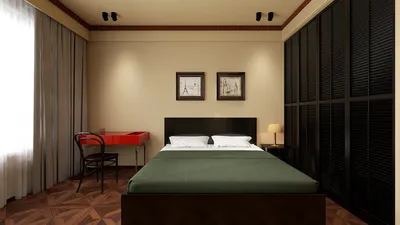


I have created numerous support quarters within villas and spacious apartments, ensuring that the servant room is both discreet and comfortable while maintaining energetic stability. In layouts designed with Vastu principles in mind, the objective is not merely superstition; rather, it is about harmonizing daily activities with appropriate orientation, ventilation, and privacy. Research by Steelcase indicates that well-formed spatial management enhances perceived well-being and alleviates stress, leading to smoother service operations at home. In a workplace study, an improved spatial fit raised experience metrics significantly (Steelcase Global Report, 2023). Additionally, the WELL v2 standard emphasizes the importance of ventilation, lighting quality, and acoustic elements as fundamental factors for occupant health, which are equally pertinent for a compact servant room (WELL v2 Features: Air, Light, Sound).
In practical terms, I focus on ensuring clear movement paths, access to natural light, non-glare lighting, and resilient materials. The IES guidelines suggest that typical residential task lighting should provide around 300–500 lux at functional areas; I aim for the higher end in evening routines and cleaning preparations by using warm-neutral LEDs (3000–3500K), minimizing visual strain (IES lighting guidance for residential task zones). Research in color psychology indicates that muted greens and warm neutrals can lower stress levels and support consistent work patterns—colors that promote a sense of calm in small service spaces rather than a feeling of confinement (Verywell Mind, color psychology overview).
Vastu-Inspired Placement Strategy
For most detached homes, I recommend positioning the servant room toward the South or South-West when feasible. Traditional Vastu associates these areas with support and stability while keeping the North-East, often reserved for prayer or study, unobstructed. Placing the servant space on the West can also be effective if site constraints limit options, especially when it helps segregate noisy activities from bedrooms. Regardless of location, it is crucial to maintain privacy from main family spaces and provide a direct, safe pathway to the kitchen, utility areas, and service entry.
In an apartment setting, I ensure that the servant room is situated close to the service core—next to the kitchen or utility balcony. The bed should be oriented with the head towards the South or East to promote a grounded sleeping position. If you are working with an architect to explore various layouts, utilizing a design simulation tool can facilitate the assessment of door swings, storage arrangements, and bed positioning without any uncertainty, such as a room layout tool like Homestyler.
Access, Circulation, and Safety
It is essential to provide a dedicated service entrance where possible or a discreet corridor that allows movement without entering the main living areas. Effective circulation reduces conflicts during busy times, such as morning preparations or deliveries. Prioritize safety by ensuring clear exit paths, slip-resistant flooring, and either solid core or metal doors with secure locking mechanisms from the inside. If the room is adjacent to the kitchen, adding a smoke detector and ensuring corridors are at least 900 mm wide to accommodate trolleys or laundry is vital. Including a small bench near the entry for dropping off items like parcels or cleaning supplies enhances efficiency and workflow in housekeeping.
Light, Ventilation, and Acoustic Comfort
Natural light should be maximized yet controlled. It's beneficial to target window placements that minimize direct glare while enabling cross-ventilation; adding a mosquito screen and an exhaust fan is advisable if the room contains a toilet. For nighttime use, incorporate an ambient light source (ceiling LED) delivering 200–300 lux, along with a task light at the desk or wardrobe area ranging from 300–500 lux. Choosing warm-neutral lighting (3000–3500K) can help maintain a natural circadian rhythm during the evening. To reduce noise from adjacent areas, seal gaps, install solid-core doors, and aim for a 35–40 dB sound reduction with soft finishes and curtains.
Furniture Layout and Human Factors
I typically position the bed along the South or West wall, with the head oriented towards the South or East. It's important to maintain 600–750 mm clearance on the pull side of wardrobes and at least 700–800 mm around the bed for safe navigation. In compact settings (e.g., 2.4 m × 3.0 m), I recommend a raised single bed with storage underneath, a narrow desk or a fold-down work area, and a tall, shallow wardrobe (450–500 mm deep). Power outlets should be conveniently located at desk height and next to the bed, with at least one dedicated circuit for a fan or compact air conditioning unit. Tools like an interior layout planner, such as Homestyler, can help visualize furniture placement and avoid conflicts early on.
Toilet Arrangement per Vastu
If the servant room has an attached toilet, position it toward the West or North-West when possible. Align the toilet in a North-South or East-West manner, steering clear of diagonal orientations. Ensure that the space includes an exhaust fan, sufficient task lighting, and non-slip tiles with an R10–R11 rating. It’s advisable to create a physical separation between wet and dry areas, such as a minimal curb or drain strip, while light-colored tiles with a matte finish can enhance both safety and brightness.
Material Selection and Durability
Support areas benefit from using materials that can endure frequent cleaning. I advocate for semi-gloss washable paint, HPL or laminate surfaces for wardrobes, and SPC or porcelain flooring to resist water and wear. Select low-VOC paints and adhesives to maintain air quality indoors, adhering to WELL v2 material and air quality standards. Adding corner guards is important if trolleys or laundry baskets frequently pass through the corridor. The hardware should be robust as well: I suggest D-handles, soft-close hinges, magnetic catches, and nylon door stops to mitigate impact noise.
Color Psychology for Calm and Respectful Spaces
Using soft neutrals (like warm beiges, oatmeal, and stone) combined with gentle greens or muted blues fosters a stable and respectful atmosphere. Verywell Mind states that blue-green color schemes are often seen as calming and trustworthy, particularly in smaller rooms. It’s crucial to manage color contrast to avoid visual chaos; keeping the wardrobe and wall colors in a similar value range while adding a darker baseboard can help delineate space. Introducing a single accent piece—like a textured cushion or an art print—rather than multiple competing colors will enhance the design without overcrowding the visual experience.
Lighting Design Considerations
In order to meet IES-referenced requirements, I generally design ambient lighting to achieve around 150–200 lumens/m² for a typical 8–10 m² room, complemented by a focused task light delivering between 500–700 lumens at work surfaces. Selecting fixtures with a CRI of 90+ ensures that colors are rendered accurately, while using low-flicker drivers reduces eye strain. A small night light providing 1–3 lux can ensure safe navigation at night without disrupting the occupants' sleep. Using shielded luminaires or deep baffles can effectively reduce glare, particularly for rooms equipped with glossy wardrobe finishes.
Ventilation, Hygiene, and Storage Solutions
Fresh air is vital in compact spaces. Implementing trickle ventilation through windows or mechanical systems, while keeping the louvers clean is essential. Organizing essentials with a shoe tray by the entrance, a pull-out laundry option, and labeled cleaning caddies streamline domestic routines. Always store chemicals securely, locked away from linens. If the toilet is included, maintain a minimum 150 mm distance between wet plumbing lines and any electrical conduits; sealing all gaps can help prevent pest issues.
Spatial Proportions and Visual Harmony
In smaller rooms, consider a spatial distribution of 60/30/10: 60% as base tone (walls), 30% as supporting tone (wardrobe, curtains), and 10% as accent (textiles). Incorporating vertical elements like a full-height wardrobe or tall mirror can create the illusion of higher ceilings. Mirrors should ideally be placed on the North or East walls to capture soft daylight while avoiding direct reflection of the bed when adhering to Vastu principles. Keeping the bed’s profile low (300–350 mm for the mattress) ensures that space feels more open.
Site Limitations and Practical Adjustments
Not every home setting allows for an ideal South-West placement. When constraints lead the room toward the North-West or West, enhancing a sense of stability can be achieved through solid materials (denser doors, grounding colors) and creating consistent routines. If the bed orientation does not fulfill the ideal conditions, compensate with effective lighting control, sound-proofing, and improving storage ergonomics to minimize daily friction—an approach consistently linked to enhanced well-being and satisfaction in research.
Considerations of Ethics, Dignity, and Daily Comfort
A thoughtfully designed servant room should prioritize quietness, thermal comfort, and sufficient personal storage. Providing privacy with proper doors, blackout curtains, and secure cabinets is essential. Incorporating a small pinboard or an open shelf can help personalize the area without causing clutter. Safety measures—such as RCD protection, clearly marked circuits, and smoke alarms—are critical, especially when in close proximity to a service kitchen.
Resource References
For more in-depth insights regarding environmental quality and human performance, I reference the Air, Light, and Sound features of WELL v2 available at wellcertified.com, in addition to research-led studies on workplace experiences at steelcase.com/research. These frameworks support the fundamental principles necessary for creating healthier and more humane compact living spaces.
Frequently Asked Questions
The South or South-West orientation is typically preferred for enhanced stability and privacy. West can also work effectively when stronger circulation and service access are present. Always aim to keep the North-East area clear and quiet.
The head of the bed should be oriented toward the South or East. Ensure adequate space around the bed (700–800 mm) to facilitate safe movement and housekeeping activities.
Indeed, separating spaces acoustically tends to improve workflow. Installing a smoke detector if the room is adjacent to a wall with services is wise, and maintaining a corridor width close to 900 mm will accommodate carts and laundry easily.
Aim for ambient lighting of 200–300 lux, with task lighting providing between 300–500 lux, and ensure a CRI of 90+ alongside a color temperature of 3000–3500K in the evening. Utilize shielded fixtures to minimize glare, while including a night light offering 1–3 lux for safety.
A color scheme featuring warm neutrals with subdued greens or blues is most effective. Try to maintain low-to-moderate contrast levels and limit accents to around 10% to avoid overwhelming visual clutter.
It is advisable to position toilets toward the West or North-West. Ensure a strong exhaust system, slip-resistant flooring, and clearly delineate wet and dry areas. Align the toilet following the cardinal directions for optimum placement.
Opt for finishes that can withstand frequent cleaning, such as washable paints, HPL or laminate for wardrobe fronts, SPC or porcelain flooring, and low-VOC materials, ensuring durability and better acoustics.
Encourage proper cross-ventilation through windows and door grilles or install mechanical exhaust systems. Keep insect screens regularly cleaned and make sure any service entry points are sealed to deter pests.
For furniture arrangement, utilize a raised single bed with storage, and a wardrobe with a depth of 450–500 mm alongside a fold-down desk. Ensure you maintain 600–750 mm clearance for easy access.
Mitigate challenges with stronger acoustic management, consistent color themes, solid door installations, and improved lighting and storage ergonomics to ease daily movement.
Aim for a noticeable sound reduction (35–40 dB) through the use of solid-core doors, seals, curtains, and soft finishes. Separate noisy appliances from bedroom walls to maintain tranquility.
The WELL v2 emphasizes the quality of air, light, and sound, and Steelcase research supports the connection between improved spatial arrangements and enhanced experiences—vital components for optimizing compact quarters.


Minimalist Fabric Upholstered King Size Bed 3D Model

Minimalist Solid Wood Platform Bed 3D Model

Minimalist Linen Upholstered Platform Bed With Nailhead Trim 3D Model
Looking to transform your living space? Homestyler is your go-to online design platform! With its user-friendly design tool, stunning 3D renderings, and a wealth of DIY video tutorials, you can effortlessly create and visualize your dream home. Dive into the world of home design today!
今すぐ无料でデザイン
































