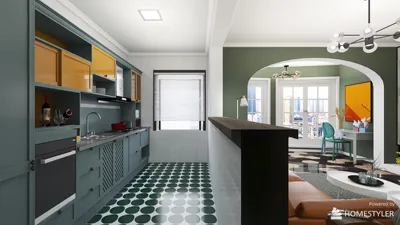


I view teenage bedrooms as compact ecosystems: environments for studying, recharging, socializing, and exploring their identity. Effective design harmonizes personal expression with adaptable, enduring pieces that evolve alongside their changing interests. Utilizing tools like Homestyler can help visualize these transformations.
Research has repeatedly demonstrated that one’s physical surroundings significantly influence overall wellbeing and performance. According to WELL v2, having adequate and adjustable lighting is crucial for visual comfort and maintaining circadian health. A targeted illumination level of 300–500 lux is advisable for desk areas dedicated to reading and writing. Insights from Steelcase also suggest that incorporating different postures and areas in a room enhances focus and rejuvenation, illustrating the importance of designated spaces for concentration, creativity, and relaxation. To delve further into quantifiable comfort aspects applicable to study zones, you may want to refer to WELL v2’s performance guidelines and Steelcase's studies.
The choice of colors plays a significant role in affecting mood and behavior. As highlighted by Verywell Mind, cooler tones like soft blues and muted greens generally promote calmness and can alleviate stress. Meanwhile, brighter accents such as coral and sunny yellow can boost energy and creativity. In a teenage room, I typically combine a neutral base with 20–30% of vibrant accents to keep the space dynamic without overwhelming it visually.
Establish Zones Corresponding to Daily Activities
Begin by outlining the common activities: studying, sleeping, socializing, and creating. Each zone should have a distinct focal point. For example, a well-lit desk marks the study zone, while a cozy corner with a small table indicates social time, and a pinboard or easel suggests a space for creativity. When organizing furniture or exploring different configurations without heavy lifting, tools like room layout software, such as Homestyler, can help visualize elements like bed alignment, movement flow, and desk sightlines effectively.
Intelligent Storage Solutions to Minimize Clutter
Creating a visually calm space is essential. I advocate for a 60/40 division between closed storage and open displays: 60% should be closed while 40% remains visible. Utilize under-bed storage, adjustable closet systems, and floating shelves. Label containers for hobbies—such as drawing pads, sports equipment, and hair accessories—to ensure everything has a designated spot. Maintain a clear 12–18 inch passage around the bed for ease of movement, and keep a clean sightline from the door to the desk to mitigate cognitive distractions.
Layered Lighting to Enhance Study and Relaxation
Incorporate a mix of ambient, task, and accent lighting. A ceiling fixture with a color rendering index (CRI) of 90+ is ideal for ambient light, ensuring color accuracy for tasks like makeup application and art projects. For task lighting, aim for 300–500 lux through a desk lamp that minimizes glare. Utilize warmer lighting (2700–3000K) at night to signal winding down, while maintaining daylight levels around 4000K during the day to promote alertness. Employ blackout or dim-out window treatments to protect sleep quality. Referring to IES recommendations can help maintain the right illumination levels for reading tasks without excessive brightness.
Understanding Color Psychology for Balanced Energy
Design a color palette that reflects her personality while considering longevity. Popular choices for teens often include combinations like dusted rose with charcoal and brass, or sage green with linen and clay. Keep walls primarily neutral or in soft mid-tones, allowing for color pops through accessories like bedding, artwork, and a striking headboard. According to color psychology insights, red accents may elevate energy levels yet feel overpowering—therefore, it’s wise to use them sparingly. Shades of blue and green foster tranquility, while warm tones like coral stimulate creativity without becoming too overpowering.
Prioritize Ergonomics: Desk, Chair, and Sleep Quality
Comfort is vital for productivity. Opt for an adjustable chair featuring lumbar support, with a seat height that enables feet to rest flat on the ground and knees at about a 90-degree angle. Position the desk so the top of the monitor is at eye level—consider using a riser if necessary. Ensure the keyboard and mouse are at elbow height to avoid wrist stress. For the bed, a medium-firm mattress paired with supportive pillows is ideal; avoiding placement directly beneath a window minimizes drafts and noise. Establishing good posture and maximizing acoustic comfort is crucial to reducing fatigue during study periods.
Creating Acoustic Comfort for Better Focus and Privacy
Incorporate soft materials to absorb sound, such as plush rugs, upholstered headboards, fabric curtains, and acoustic pinboards. If she engages in musical activities or has hobbies that generate noise, consider adding a thick rug pad and heavy drapes. Bookcases filled to 70–80% can serve as effective sound diffusers. Introducing a small white-noise machine or fan can obscure household sounds, while positioning the desk away from door access and high-traffic areas will help minimize interruptions.
Selecting Materials with Sustainability in Mind
Choose durable, low-emission finishes. Look for GREENGUARD certification or low-VOC paints and sealants. Prefer solid wood or high-quality plywood over particleboard for enhanced durability. Fabrics that are washable and performance-oriented simplify maintenance. Consider integrating materials like recycled metal or bamboo accents. A good general rule is to invest in daily-use items (chairs, mattresses, and handles) while economizing on trend-driven decor (such as pillows and posters) that may change frequently.
Personalization with Minimal Commitment
Allow her personality to shine through reversible design choices such as peel-and-stick wallpapers, magnetic paint sections, clip-on headboard lamps, and standalone mirrors. Use ledges for gallery walls, enabling easy art rotation without the need for new holes. Embrace a distinct motif—like stars or botanical patterns—expressed through bedding and accessories rather than permanent features.
Maintaining Spatial Ratios and Visual Harmony
Ensure adequate breathing space within the room. I recommend a 1:1.5 ratio for bed-to-wall clearance along the longer side, aiding in easy linen changes, and at least 24–30 inches of clearance around larger furniture pieces. Position tall items against one wall to avoid a top-heavy ambiance; balance a sizable wardrobe with lower storage solutions and horizontal artwork elsewhere. Strive for visual rhythm by mixing large, medium, and small elements throughout the space for a comfortable visual flow.
Strategies for Small Rooms
In limited spaces, consider a loft bed to create a study nook below. Utilize vertical storage solutions like wall hooks, pegboards, and stacked cubes. Opt for a foldable desk or sliding keyboard tray to save space. Strategically placing mirrors opposite windows can create an illusion of depth. Stick to a tightly coordinated palette (three primary colors) to minimize visual fragmentation.
Designing Social Corners
Create a cozy area for friends with either a loveseat or two readily movable floor chairs, accompanied by a compact side table and a soft lamp. Maintain flexibility with lightweight seating options that can be stowed or rearranged. If gaming or streaming is part of the experience, manage cables efficiently with under-desk trays and fabric covers to keep the area looking tidy.
Refreshing the Room Over Time
Plan for minor updates annually: change bedding, swap rugs, or rotate artwork. Maintain core furniture elements—such as the bed, wardrobe, and desk—in classic finishes to avoid extensive modifications as interests shift (such as moving from dance to digital arts). The creative zone can easily swap a barre for a corkboard without a full redesign.
For an overview of color psychology and its implications, consider consulting Verywell Mind's insights on color and mood. For standards of comfort and environmental quality relevant to study spaces, refer to the WELL v2 guidelines provided by the International WELL Building Institute.
Frequently Asked Questions (FAQ)
Q1: What are the optimal lighting levels for a teenage study area?
A1: Aim for 300–500 lux at the desk level using an adjustable task lamp with a low-glare shade. Keep ambient light uniform and prefer warmer hues (2700–3000K) in the evening to assist in relaxation.
Q2: Which color schemes promote calm while keeping the ambiance lively?
A2: Combine soft blues and greens for a calming effect; energetic coral or apricot accents provide vibrancy. Construct a mostly neutral base while preserving 20–30% for striking, high-chroma accessories to maintain balance.
Q3: How can I maximize storage without clutter?
A3: Strive for a division of 60% closed storage (like under-bed containers and cabinets) and 40% open displays. Use labeled bins for specific interests, and consider floating shelves for easy access to frequently used items.
Q4: What ergonomic features should I prioritize in a chair?
A4: Look for options with adjustable height, lumbar support, and a stable base. Feet should remain flat on the ground, with knees at about 90 degrees, and match with desk height to keep elbows at a similar level for typing.
Q5: How can I effectively dampen noise to enhance focus?
A5: Layer soft materials such as fluffy rugs with dense pads, fabric curtains, and padded headboards. Bookcases packed to 70-80% can assist in sound diffusion, while a compact white-noise device can cover random household sounds.
Q6: Are peel-and-stick wallpapers a suitable choice?
A6: Absolutely, they are reversible and ideal for evolving preferences. Apply them on a feature wall and keep surrounding areas neutral for seamless updates.
Q7: What layout works best in a small room?
A7: Consider a loft bed or daybed to maximize floor area, vertical storage solutions, and a slim desk positioned along a window wall. Utilizing layout simulation tools like Homestyler helps visualize bed arrangement and desk views before making final decisions.
Q8: Which materials are both durable and health-conscious?
A8: Opt for low-VOC paints, solid wood or high-quality plywood, and performance fabrics that are washable. Steer clear of cheap particleboard for frequently used furniture pieces.
Q9: How can I create a social area without overcrowding?
A9: Consider a compact loveseat or two seat cushions, complemented by a small table and warm lighting. Choose lightweight seating solutions for easy rearrangement.
Q10: How frequently should the bedroom be refreshed?
A10: Plan for minor updates on a seasonal or annual basis—changing textiles and artwork. Keep the main furniture timeless to prevent significant renovations as tastes evolve.
Q11: What window treatments are best for promoting sleep?
A11: Blackout curtains or layered shades with dim-out features are effective for blocking external light at night, combined with warmer evening lighting to promote melatonin production.
Q12: Do you have any suggestions for minimizing tech-related clutter?
A12: Utilize cable trays beneath the desk, fabric sleeves, and dedicated charging stations with concealed storage. Mount a power strip to the underside of the desk to keep cords off the floor and organized.

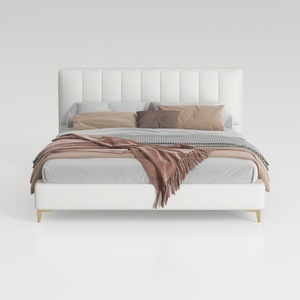


Homestyler is your go-to online platform for home design. With its user-friendly design tool, stunning 3D renderings, a wealth of design projects, and helpful DIY video tutorials, you can effortlessly transform your space and unleash your creativity. Start designing your dream home today!
지금 무료로 디자인하세요
































