

Creating a stylish and contemporary banquet hall involves carefully balancing space efficiency, aesthetic appeal, and guest comfort. From my experience, the most impressive venues skillfully integrate crowd flow, sound management, and ambient lighting to provide an effortless experience for guests, from the moment they arrive until the final applause. A thoughtfully designed banquet space can enhance the perceived quality of service and the time guests choose to spend there. Research from Steelcase reveals a correlation between environmental comfort and higher satisfaction levels, while WELL v2 highlights the importance of air quality, lighting, and sound in promoting health-focused environments. For ideal lighting conditions, I adhere to IES guidelines: general dining areas are often enhanced by maintaining ambient levels of 100–300 lux, complemented by accent lighting that highlights focal points such as stage backgrounds.
The flow of guests and overall capacity are essential considerations. Gensler's findings on workplace environments indicate that clarity of space significantly reduces anxiety and cognitive burden; in a banquet context, this means creating intuitive pathways, clear visibility, and ergonomic seating arrangements. For layouts focused on banquets, I strive for aisle widths of 1.2–1.5 m between clusters of tables and maintain 1.8–2.4 m clear space near the stage edges to facilitate service and photography angles. The WELL v2 guidance emphasizes the significance of comfortable acoustics and illumination control, directly linked to the overall guest experience. To effectively plan dining areas, service routes, and entry flows ahead of constructing the venue, I utilize layout visualization tools like Homestyler to quickly create scenarios, assessing seating capacities, sightlines, and service routes.
Space Planning: Managing Capacity, Flow, and Ratios
The success of a banquet hall heavily depends on the metrics of spatial ratios. For seated dinners, I prioritize maintaining a distance of 1.0–1.2 m between chair backs along pathways and 0.6–0.75 m of radial space per chair for comfortable movement. For buffet setups, ensuring 1.5–1.8 m is available in front of serving stations prevents congestion and allows staff to replenish supplies without interrupting guests. For medium-sized gatherings (300–450 guests), stage areas should ideally be at least 24–36 square meters, with additional side space allocated for performers and audiovisual equipment. In multi-zoned designs—such as reception, dining, performance areas, and lounges—I maintain visual harmony through axial alignments, adhering to a distribution strategy of 60% for primary activity, 30% for circulation and service, and 10% reserved for flexible engagement areas.
When seating capacity becomes a top priority, I take time to pre-plan various modular table arrangements (round, rectangular, or mixed clusters) and orient sightlines towards the stage and entry points. For quick scenario assessments—such as aisle widths, emergency exits, and dancing space expansions—using an interior layout planner like Homestyler allows for streamlined decision-making and assists in determining the necessary furniture rental.
Lighting: Layering for Comfort and Visual Appeal
The essence of event lighting revolves around setting the mood while ensuring effective documentation. Ambient lighting must be even and adjustable to strike a balance between guest comfort and enhancing camera capabilities. Following IES recommendations, dining ambient light should be set between 100–300 lux, while the lighting on a dance floor may range from 200–400 lux during more vibrant scenes. Key areas such as head tables, stage backgrounds, floral arrangements, and bars should be highlighted with accent lighting. It's important to avoid harsh downward light directly above guests' faces; instead, consider using soft coves, wall grazing lights, and subtle beam profiles. For color temperature choices: 2700–3000K create warmth for dinner settings, while neutral events benefit from 3000–3500K, and pre-event setups should aim for around 4000K to enhance visibility.
Controlling glare is vital. Shield fixtures, implement low-UGR optics, and ensure vertical illumination for flattering portraits. Incorporate dimming zones and preset scenes catering to varying event phases (arrival, dinner, toasts, performances, after-parties). Should chandeliers serve as a central design feature, balancing them with discreet linear lights ensures even illumination and avoids stark contrasts.
Acoustics: Achieving Clarity Without Echo
Spacious banquet halls can amplify minor acoustic flaws. Strive for a reverberation time (RT60) of approximately 0.8–1.2 seconds for comprehensible speech in large multipurpose venues. I recommend a diverse approach that includes acoustic ceiling panels, strategically placed wall coverings, and soft finishes in lounge areas to absorb excess sound. Installing carpets with dense underlays in high traffic areas can further reduce noise from footfalls. Be cautious about placing subwoofers in corners to limit bass buildup and position stage monitors to avoid feedback loops. For venues that accommodate varied events—such as weddings, conferences, or concerts—consider using movable acoustic panels to adapt sound quality fit for each occasion.
Material Choices: Blending Durability with Style
Banquet settings face continuous transformations, spills, and heavy foot traffic. I opt for upholstery that withstands wear (≥60,000 double rubs) along with materials that resist stains and are easily cleaned. For flooring, engineered wood or high-quality vinyl with slip-resistant textures performs better in handling heels and wheeled carts compared to polished stone. Materials used for trims should be resistant to fingerprints; powder-coated finishes tend to maintain their appearance longer than high-polish brass. From a sustainability viewpoint, I advocate for materials with transparent VOC disclosures and cradle-to-cradle certifications whenever feasible, also opting for modular carpets for easy replacement.
Understanding Color Psychology: Creating an Emotional Atmosphere
The selection of colors significantly influences energy levels. Soft neutral shades with warm undertones contribute to a comfortable environment, while rich accent colors can invigorate key moments. Research from Verywell Mind shows that blues typically elicit calmness and trust, whereas warm tones promote friendliness. I prefer to introduce color through linens, floral arrangements, and lighting filters rather than through permanent architectural features, thus keeping the main design timeless. For brand-centric events, a neutral backdrop allows clients to personalize their identity without clashing with pre-existing palettes.
Human Factors and Ergonomics: Prioritizing Comfort for a Positive Experience
To foster a pleasant experience over lengthy meals, ergonomic chair height (430–460 mm) and table height (730–760 mm) should support an upright posture. Ensure a minimum passage width of 900 mm for accessibility, with 1200 mm being preferable for two-way service. Chair arms may offer additional comfort but can reduce seating density; therefore, I reserve them for VIP areas and lounges. Adaptable lounge pods enable breaks from noise and provide inclusive spaces for guests with different needs. Always consider handrail heights, ramp slopes, and thresholds to comply with local regulations and align with WELL v2’s guidelines concerning accessibility.
Design Style: Infusing Unique Character with Timeless Elements
The finest banquet halls exude a special charm without appearing dated too quickly. I seek to combine a clean architectural shell—with subtle moldings, harmonized wall panels, and consistent ceiling contours—with distinctive features: artistic chandeliers, textured drapes, and curated artworks. Lighting serves as a unifying element; tuneable-white systems facilitate a space’s transformation from a timeless romantic setting to a modern gala atmosphere. The stage backdrops should be modular, allowing for versatility in fabric, mesh, or greenery to enhance various themes. Aim for finishes within a mid-tone spectrum, as extreme bright whites or dark charcoals tend to pose challenges in photography.
Back-of-House: The Hidden Backbone
A hallmark of premium events lies in efficient service delivery. Establish clear routes for service staff between the pantry and dining areas with minimal bottlenecks. Plan for around 1.5–2.0 square meters per 10 guests dedicated to staging, plating, and storage during peak service times. Integrating warmers, hydration stations, and water points reduces congestion in the corridors. It's crucial to separate AV controls from food preparation spaces; both areas require uninterrupted environments equipped with reliable power supply. Also, implementing waste sorting stations promotes quicker turnovers and aligns with sustainability initiatives.
Sustainability: Effective, Tangible, and Observable
Sustainable banquet halls do more than operate efficiently; they also communicate their commitment to clients. Utilizing LED lights with high efficacy (≥100 lm/W) along with occupancy sensors and scene-based dimming helps lessen energy consumption. Opting for low-VOC finishes and prioritizing FSC-certified wood and metal with recycled content are essential steps. Water-saving restrooms and bottle refill stations aim to minimize waste across events. Offering reusable service ware and collaborating with local florists for seasonal flowers further enhance sustainability. Tracking energy consumption, waste diversion, and materials sourced with third-party certifications bolsters credibility in the market.
Integrating Technology and AV: Ensuring Effortless Management
Incorporate DMX for varied lighting scenes, DSP technology for sound adjustments, and centralized control panels that are reachable from both front-of-house and back-of-house. Create robust power distribution networks with redundant circuits available for stage configurations and provide concealed pathways for electrical cables. Projection surfaces must resist ambient light, while LED screens require thoughtful consideration of sightline arrangements to limit glare from surrounding fixtures. Offer easy-access connectivity for DJs, bands, and presenters with ready-to-use input ports.
Planning Toolkit: From Initial Design to Execution
Beginning with structured schematic planning can prevent numerous potential issues. I typically concentrate on establishing capacity goals, then proceed to diagram transitions: entry → reception → dining area → performance space → lounge → exit. Testing table counts against existing pathways and emergency routes is critical. For client presentations, utilizing a room design visualization tool like Homestyler allows for the simulation of layouts, traffic flows, and lighting scenes, providing stakeholders with a clear view of venue operations prior to finalizing rental and decor decisions.
Tips for Optimizing Seating and Aisle Spaces
For round tables measuring 1500 mm in diameter, maintain aisles of 1.2–1.5 m to facilitate service; for rectangular banquet tables, offer between 900–1200 mm of space between rows. Ensure a clearance of 600–750 mm per chair to allow comfortable movement during presentations.
Guidelines for Staging and Dance Floor Design
Allocate roughly 0.3–0.45 square meters of dance floor space per attendee. Position the stage along the longer axis to enhance visibility, and strategically place bars to avoid congestion at the entrances.
Setting Up Lighting Presets
Establish five core lighting scenes: arrival (bright, neutral), dining (warm, low-contrast), toasts (focused accents at podiums), performances (dynamic color usage), and after-parties (high contrast with energetic effects).
Establishing Acoustic Zones
Identify areas of high and low noise. Position lounge spaces with sound-absorbing materials to buffer from direct lines of sight to stage loudspeakers.
Managing Material Care and Maintenance
Implement stain-resistant treatments and establish a clear maintenance protocol: conduct deep cleans of fabrics quarterly, reseal floors annually, and periodically recalibrate audio-visual equipment.
Maximizing Back-of-House Operational Efficiency
Design dedicated pathways for both staff and guests; situate service doors along the most efficient route to minimize delays during service.
Frequently Asked Questions
Q1: What are the optimal ambient light levels for banquet dining?
A1: Strive for an ambient level of 100–300 lux in accordance with IES guidelines, utilizing dimming controls to adjust the atmosphere, while enhancing visibility for guests in photos.
Q2: How can I determine seating capacity without sacrificing comfort?
A2: Begin by assessing table sizes alongside desired aisle widths (1.2–1.5 m between groups), then layer in escape routes. Tools like room layout planners can help test scenarios to verify clear access.
Q3: What acoustic conditions enhance speech comprehension?
A3: Aim for an RT60 of approximately 0.8–1.2 seconds, utilizing ceiling clouds, wall treatments at reflective points, and soft finishes in circulation areas to absorb sound.
Q4: Which materials offer a blend of durability and sophistication?
A4: Look for upholstery that boasts high-abrasion resistance (≥60,000 double rubs), easy-care stain-resistant fabrics, quality engineered wood or LVT flooring, and finishes that are resistant to fingerprints to ensure a lasting aesthetic.
Q5: What strategies help lighting to adapt to different event vibes?
A5: Employ layered lighting configurations with preset scenarios tailored for each phase, adjusting color temperatures between 2700K to 3500K as per the event's nature.
Q6: Which sustainable practices deliver the greatest impact?
A6: Implementing energy-efficient LED systems, occupancy sensing, low-VOC materials, responsibly sourced wood, water-saving fixtures, and reusable service options not only reduce waste but also enhance the event's ecological footprint.
Q7: How do I ensure that all guests can access and enjoy the venue comfortably?
A7: Ensure clear passage of 900–1200 mm, ergonomically designed seating, table heights that promote comfort, and comply with access regulations to create a welcoming atmosphere for everyone.
Q8: Where should I position bars and buffet tables for optimal guest flow?
A8: Bar and buffet stations should be set back from entrances with appropriate queue spacing of 1.5–1.8 m in front, facilitating replenishment while avoiding guest traffic disruptions.
Q9: What is the recommended stage size for medium-sized gatherings?
A9: Ensure a stage size of 24–36 square meters, maintaining sidelanes for performers and audiovisual equipment, while preserving 1.8–2.4 m clear passages at the front for safe movement and photography.
Q10: In what ways do color choices affect how guests perceive the environment?
A10: Neutral tones foster a tranquil atmosphere, while warm hues encourage social interaction. Considering color psychology data, blues instill trust and warmth promotes engagement—layer these through linens and lighting for dynamic adaptiveness.
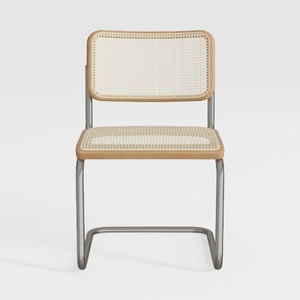
Modern Cane Solid Wood Metal Dining Chair 3D Model
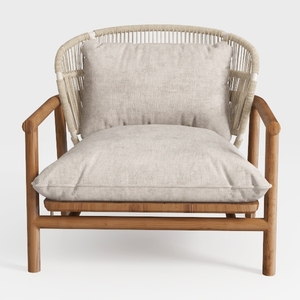
ANJ Modern Arm Chair, Mid-Century Modern Accent Ch

Modern Dining Chairs 1PC, Upholstered Kitchen
Homestyler is your go-to online home design platform! With its user-friendly design tool, stunning 3D renderings, extensive design projects, and helpful video tutorials, you can effortlessly create and visualize the perfect space—whether you're a pro or just starting out!
立即免费设计
































