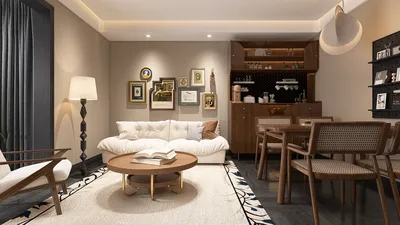


Designing a significant pooja area in a compact home does not necessitate a separate room; what’s essential are considered dimensions, serene lighting, and materials that respect the traditions. In typical Indian urban residences, which often range from 500 to 900 square feet, every square inch is vital, thus a pooja unit must reflect a blend of devotion and simplicity. I emphasize vertical storage, non-glare task illumination, and hidden compartments to safeguard holy items while achieving a tidy everyday appearance.
Effective lighting forms the cornerstone of a peaceful altar. The Illuminating Engineering Society suggests a range of 150 to 300 lux for overall ambient light and 300 to 500 lux for focused activities; I generally target approximately 200 to 300 lux for ambient lighting, supplemented by concentrated light of 300 to 500 lux directed at the idol or main feature to alleviate eye strain without compromising the atmosphere (source: IES lighting guidelines, ies.org/standards). Adhering to WELL Building Standard principles, I incorporate continuous anti-glare measures, low-flicker controls, and a warm correlated color temperature (CCT) around 2700 to 3000K to encourage both circadian rhythm and ceremonial mood (WELL v2, wellcertified.com).
Core Design Strategies for Small Pooja Spaces
In confined layouts, utilizing a wall niche or corner unit is more space-efficient than a standalone cabinet. My design approach consists of three sections: a base platform (6 to 9 inches high to ensure lamp safety), a central shelf for the idol positioned at eye level, and an upper section for bells or decorative items. It’s important to maintain a depth of 10 to 14 inches to avoid overcrowding. When considering placement, it is advisable not to position the unit against shared kitchen or bathroom walls to uphold ritual privacy and minimize sound interference.
Material Choices: Tranquil, Long-lasting, and Fire-Safe
I prefer matte surfaces to reduce glare and marks. Engineered wood with a genuine wood veneer, compact laminate materials, or stone-like sintered finishes handle heat and are superior to conventional laminates. For backdrop sections, options like fluted wood or cane-inset doors provide an acoustic advantage while adding a touch of craftsmanship. Employ heat-resistant trays or brass thalis beneath lamps to safeguard materials. Sustainability is vital: opting for low-VOC finishes enhances indoor air quality, particularly in smaller homes.
Lighting Approach: Warm, Multifaceted, and Secure
Layer ambient (warm 2700–3000K), accent (spot or linear LED fixtures with a Color Rendering Index of 90 or above for accurate representation of idols and flowers), and decorative lighting (small diya-inspired elements or backlit jaali panels). Ensure direct-view LEDs are softened to mitigate discomfort; I prefer using frosted covers or recessed strips positioned at a minimum set-back of half an inch. Dimmers are crucial during aarti, facilitating a transition from tranquility to ceremony. To manage incense, consider incorporating a small, ventilated drawer or a louvered section to avoid smoke residue.
Ergonomics and Workflow for Rituals
User-friendly design informs placement more than aesthetics. For rituals done while seated on a chowki, set the idol shelf at a height of 36 to 39 inches; for standing prayers, a height of 48 to 54 inches is appropriate. Keep puja essentials—such as matchboxes, camphor, and bells—within an accessible 16 to 20 inches of reach in a shallow drawer. Ensuring a toe clearance of 2 to 3 inches at the base fosters comfort when close in proximity. It’s vital to route cables safely for lamps or electric diyas, avoiding trailing wires across key movement areas.
Utilizing Color Psychology for Calmness
Warm neutral shades—almond, sand, and soft terracotta—contribute to a soothing and reflective environment. A single bold hue behind the idol (like indigo, maroon, or forest green) can captivate attention without adding visual clutter. Research indicates warm colors often foster feelings of comfort and tranquility, while cooler shades promote clarity and contemplation, aligning perfectly with the essence of pooja (verywellmind.com/color-psychology).
Innovative Ideas for Small Spaces
Create a 12-inch-deep niche equipped with a fluted wooden sliding screen. Add a slender brass shelf for diya arrangements and an integrated linear LED positioned above the idol. The screen affords privacy during rituals while keeping clutter concealed.
Opt for a triangular or softly rounded corner cabinet with two open shelves and a closed compartment below for enhanced functionality in traditionally unused corners. Incorporate a brass bell on the inner jamb and include an opening for incense ventilation.
Consider a wall-mounted panel that features a fold-down altar top, ideal for studio apartments. Gas-spring mechanisms ensure smooth operation, and when closed, the panel can exhibit a simple jaali design. A small magnetic latch can secure ritual objects inside.
Utilize three floating shelves—placing the lamp on the bottom, the idol in the middle, and flowers on top. Conceal wiring using wall conduits and ensure shelf widths are between 18 to 24 inches for a tidy and proportional aesthetic.
With a depth of 14 to 16 inches, a tall unit featuring pocket doors offers the versatility of transitioning from a closed space to an open altar. The pocket doors eliminate swing-space challenges in narrow hallways and entryways.
Employ laser-cut metal or wooden jaali with back diffusion to create a soft, sacred glow. Utilize low-heat LED lighting; steer clear of halogen lights around delicate finishes. A small brass inlay at the base defines a ritual border.
Integrate the pooja niche within a living room media wall, while ensuring it's offset from speakers to reduce vibration interference. If you’re reconfiguring a tight living-dining area, a room layout tool like Homestyler can assist in optimizing sightlines and privacy, achieving that perfect visual harmony without overwhelming the space:
room layout tool
Enhancing Acoustic Comfort
In smaller homes, considering acoustic elements is beneficial. Cane or fabric-inset doors, along with cork backing and soft runners, help absorb hard echoes during mantra recitations. Avoid placing the altar directly across from substantial glass surfaces; if this is unavoidable, adding sheer curtains or wooden screens can mitigate reflections.
Maintaining Visual Balance and Spatial Ratios
It’s essential to uphold a clear visual hierarchy: the idol stands as the centerpiece, lighting forms a luminous aura, and storage remains as a subtle backdrop. Aim for an altar width that is roughly 1.5 to 2 times that of the idol for proportional integrity. The use of recurring elements—like fluted wood panels or symmetrical brass hardware—creates a rhythmic flow without compromising the overall design.
Prioritizing Safety and Ease of Maintenance
In rental spaces, consider using non-drip diyas or electric candle alternatives. Equip a metal-lined tray for managing lamp heat and residue. Choose finishes that are easy to wipe clean and avoid high-gloss textures that may reveal smoke stains. Ensure proper ventilation after rituals to maintain indoor air quality.
Strategic Placement in Your Layout
Common placement ideas include a recess in the entry foyer, a corner in the living room, at the end of a spare kitchen wall (ensuring not to back onto wet areas), or within a niche in the bedroom vestibule. Orientation should prioritize privacy from main seating areas while steering clear of direct alignment with cluttered zones. Maintain at least 24 to 30 inches of clear space in front to respect movement pathways.
Cost-Saving Tips for Building Your Space
To manage expenses, consider using modular cabinetry featuring a single unique element (like jaali or brass detailing). Affordable LED strips and small dimmer switches can dramatically enhance the atmosphere. Invest in durable hardware—such as soft-close hinges and heat-resistant trays—over purely decorative embellishments.
Common Questions
Q1: What is the ideal lighting level for a small pooja unit?
A1: Aim for 200–300 lux for ambient lighting and 300–500 lux for accent illumination on the idol. Use warm 2700–3000K LEDs with anti-glare diffusers, in line with IES recommendations.
Q2: Which materials are safest to use near diyas and incense?
A2: Recommendations include brass trays, compact laminate, sintered stone, and engineered wood with heat-resistant finishes. Avoid plain laminates in direct heat exposure.
Q3: What strategies can I employ to reduce glare during aarti?
A3: Recessed or diffused LEDs are ideal, along with the use of non-reflective back panels. Ensure fixtures are positioned just above eye level, paired with dimmer capabilities. High CRI (≥90) lighting preserves color without creating harsh contrasts.
Q4: Is it feasible to fit a pooja unit within a living room media wall?
A4: Certainly—ensure it’s offset from sound systems, consider incorporating sliding or pocket doors for privacy, and enhance it with warm accent lighting for visual distinction from electronic devices.
Q5: What is the recommended height for ergonomic setup?
A5: For seated rituals, a shelf height of 36–39 inches is ideal, while for standing rituals, a height of 48–54 inches works best. Keep essentials within a 16 to 20-inch accessible range.
Q6: How can I prevent smoke from discolouring finishes?
A6: Incorporate a well-ventilated drawer or a louvered panel, utilize non-drip diyas, place incense in a metal-lined holder, and promptly wipe down surfaces post-use.
Q7: What colors are most conducive to creating a serene spiritual environment?
A7: Opt for warm neutrals with a deeper color accent (like indigo, maroon, or forest green). Research supports that warm tones foster comfort, while cooler shades enhance clarity.
Q8: What storage solutions should a compact pooja space offer?
A8: Consider a shallow drawer for daily necessities, a small cabinet for sacred texts and offerings, and effective cable management. Providing toe clearance improves standing comfort.
Q9: How can I plan for optimal placement without disrupting foot traffic?
A9: Maintain 24–30 inches of clear space in front and avoid conflict zones with door swings. Test different configurations with a room layout planner like Homestyler to achieve the best sightlines and privacy.
Q10: Are electric diyas suitable for rental properties?
A10: Definitely. Choose warm-dim LEDs equipped with flicker-free technology for a natural glow, and combine with brass décor details to preserve a traditional ambiance.
Q11: What adjustments improve acoustics during chanting?
A11: Incorporate cane or fabric-inset doors, consider adding cork backing, and avoid surfaces that create harsh sounds. Using sheer or wooden screens can diminish reflections especially near glass surfaces.
Q12: How can I budget effectively for this project?
A12: Focus on quality fixtures, heat-resistant elements, and effective lighting. Simplistic cabinetry designs paired with one distinctive feature—be it a jaali design or brass inlay—adds personality without overspending.

Homestyler is your go-to online home design platform, offering a user-friendly design tool to effortlessly create stunning interiors. Explore a wealth of 3D renderings, inspiring design projects, and helpful DIY video tutorials. Bring your home design dreams to life with ease and creativity!
تصميم الآن مجانا
































