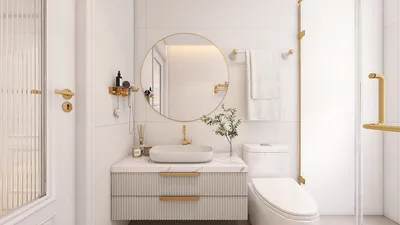


Establishing a significant pooja corner within a compact living space is entirely feasible with careful design choices focusing on the backdrop, appropriate dimensions, and materials that embrace both luminosity and tranquility. My approach centers on multi-layered backdrops, subtle decorations, and an emphasis on sensory comfort—ensuring your shrine remains serene, well-lit, and easy to care for, even within a limited area.
The importance of scale and light surpasses mere square footage. In both residential and work environments, visual comfort plays a crucial role in enhancing well-being; the WELL v2 framework emphasizes glare reduction, effective color rendering, and layering of light as vital aspects for occupant satisfaction. Moreover, research from Steelcase indicates that settings that facilitate focus and rejuvenation can alleviate stress and bolster cognitive functioning—advantages that translate remarkably well into sacred spaces at home. For smooth ritual activities, I target vertical accent lighting at levels of 200–300 lux on the altar wall, complemented by a gentle ambient base between 100–150 lux. This ensures a balance of clarity in rituals and a soothing, reflective ambiance. These benchmarks resonate with the fundamental principles advocated by IES for visual tasks and overall ambient harmony. For those embarking on a new design or reconfiguring an existing space, using an interior layout planner—such as the Homestyler tool—can assist in visualizing sightlines and altar dimensions effectively.
Understanding color psychology contributes to fostering a tranquil, attentive atmosphere. According to summaries from Verywell Mind, soft warm neutral tones (like cream and beige) foster serenity, while subtle gold hues provide warmth and a sense of reverence. I frequently combine a matte ivory backdrop with a toned-down clay or sandy nook, introducing gentle contrast through brass fixtures or an antique-finish bell. Opting for matte or eggshell finishes minimizes reflective glare on polished idols and pictures.
Fundamental Guidelines for Pooja Backdrops in Small Spaces
• Establish a focal point: A captivating backdrop—be it stone, an intricately carved panel, or textured paint—reduces visual clutter and lends a sense of gravitas.
• Vertical emphasis: Incorporate slender pilasters, grooves, or fluted wood accents to draw the eye upwards, enhancing the ceremonial feel of a compact niche.
• Harmonized lighting: Combine gentle ambient light with warm vertical accents surrounding the idol to prevent unsightly shadows.
• Adequate shelving: Ensure that thali shelves are no deeper than 6-8 inches, featuring edge lips to catch drips from oil lamps and guarantee proper clearances.
• Concealed storage: Incorporate slender drawers to store items like incense, matchboxes, and prayer books to maintain a clutter-free appearance in small spaces.
Concept 1: Fluted Wood Panel with Brass Inlay
A sleek fluted MDF or solid wood panel, finished in matte teak or walnut, adds tactile interest without overwhelming the space. I place two 6–8 mm brass strips vertically to frame the idol area—minimal ornamentation that feels polished. Warm 2700–3000K LED grazers, strategically placed from above or the sides, accentuate the flutes while creating a soft halo effect. Ensure shelf lines are simple and align brass diyas and bells for cohesion.
Concept 2: Minimalist Stone-Look Porcelain Slab
Large-format, easy-care porcelain slabs (with travertine or limestone aesthetics) serve as a tranquil, monolithic backdrop that is simple to clean. Select a honed finish to minimize glare and uphold a meditative atmosphere. Incorporate a micro-bevel nook containing a concealed LED strip to provide a gentle glow behind the deity. This method is particularly suitable for alcoves located in passageways where space is limited.
Concept 3: Jaali Screen as an Illuminated Backdrop
A delicately designed jaali (perforated panel), crafted from wood or powder-coated metal, introduces layered lighting and geometric symbolism. Backlighting with a diffused LED sheet ensures there are no hot spots; maintain illumination around 150-200 lux throughout the pattern. This screen serves dual purposes as a visual partition when your pooja area resides within the living room, providing distinction without enclosing the environment.
Concept 4: Painted Niche with Tonal Stencil and Picture Ledge
In rental settings, applying high-quality matte paint in ivory with a subtle tone-on-tone mandala or lotus stencil can impart depth without permanent alterations. Integrate a 1-inch picture ledge for framed images and a small diya tray. Use removable hooks for malas and bells to keep the walls intact.
Concept 5: Wood Veneer Combined with Back-Painted Glass
Merge a warm wood veneer frame with a central panel of back-painted glass in soft cream or pale gold. The glass reflects a subtle glow from hidden linear LEDs while the veneer minimizes overall reflectivity. Keep joints crisp and hardware minimal to maintain a streamlined appearance in confined spaces.
Concept 6: Elegant Compact Arch with Plaster or Microcement
A slim arch (2-3 inches deep) introduces ceremonial geometry to the design. Finish it with microcement or lime plaster for a matte, textural finish. A narrow marble or engineered stone base slab functions as a hearth resistant to aarti. A centered brass lamp hook beneath the arch completes the design effortlessly.
Concept 7: Floating Shrine Column
In compact studios, a vertical floating element—such as a column measuring 14-18 inches wide—can serve as a small altar while offering hidden storage and a lighted nook, acting as a room divider as well. Ensure at least 30 inches of clearance around the unit for circulation. If experimenting with various placements concerning windows and seating arrangements, the Homestyler room design tool is invaluable for quick iterations.
Concept 8: Sparingly Used Metallic Leaf Accent
A small square of gold or champagne metal leaf positioned behind the idol introduces elegance without being overbearing. Surrounding surfaces should remain quiet: employing matte plaster or raw silk wallpaper can temper the shine. Use dimmable lighting to ensure the glow stays soft during morning and evening rituals.
Strategic Lighting for Respect and Visibility
• Color temperature: A warm 2700–3000K is recommended for spiritual calm; ensure uniformity across sources to prevent visual discord.
• Vertical lighting: Employ side grazers or backlit panels for a more aesthetic representation of faces and textures compared to standard overhead lighting.
• Glare control: Mitigate glare from LEDs using small returns or diffusers; consider the WELL v2 approach as a guide for home sanctuaries.
• Safety for candles and diyas: Maintain a minimum distance of 8-10 inches from vertical surfaces; utilize heat-resistant trays and keep fabrics away from open flames.
Balance of Acoustics and Sensory Experience
Compact spaces tend to enhance sound reverberations. Adding a soft rug or runner, along with a nearby linen or cotton curtain, will help to lessen harsh echoes from bells and chants. Ensure wind chimes are not placed in direct drafts to foster intentional sound during prayers without constant tinkling.
Material and Finish Guide
• Wood choices: Select from teak, ash, or engineered veneers in matte finishes; avoid heavy grains in very small rooms.
• Stone options: Honed marble, porcelain with a limestone appearance, or terrazzo for a practical base.
• Metal accents: Use brushed brass or bronze, ensuring areas prone to fingerprints are sealed.
• Paint: Wipeable matte finishes that reduce glare while maintaining color depth.
• Fabrics: Opt for neutral cottons and linens for backgrounds or cushion kneelers; avoid bold patterns that distract.
Aspects of Proportion, Clearances, and Ergonomics
• Altar height: For floor-based rituals, situate the idol base about 12-16 inches off the ground; for standing rituals, aim for a top surface height of 36-39 inches for comfort.
• Shelf depth: Ideal depths for thalis are 6-8 inches; allow up to 10 inches for slightly larger murtis.
• Accessible reach: Ensure matches, incense, and diya oil are within 20-24 inches of the primary position to avoid stretching near open flames.
• Ventilation needs: Should you burn incense or camphor, ensure cross-ventilation or a nearby operable window; avoid direct drafts that could disturb flames.
Understanding Color Psychology for Sacred Spaces
Soft whites, sand tones, and pale ochres facilitate focus, while a subtle maroon or deep turmeric accent can delineate the shrine without constricting the room visually. Color psychology research emphasizes warm neutrals project stability and comfort, making them suitable for reflective rituals and preventing the spatial constriction often caused by darker shades.
Storage Solutions, Safety, and Maintenance
Design for minimal visibility: A narrow drawer for matches and incense, a lidded brass container for kumkum and haldi, alongside a wipeable base slab for diya drips. Conceal cable channels for LED drivers, placing switches outside the sacred alcove to reduce visual clutter and heat near revered items.
My Strategy for Tiny Homes and Niche Adaptations
I start by analyzing sightlines—the visuals one encounters when entering or sitting—and then proportion a straightforward backdrop that evokes calm from every key perspective. Subsequently, I add warm lighting, incorporate one tactile element, and ensure discreet storage is part of the design. The entire approach includes creating a quick digital mockup to verify proportions and symmetry within the actual room dimensions, especially when situating the shrine near windows or circulation boundaries.
Frequently Asked Questions
Q1. What is the optimal color temperature for a pooja area in a compact setting?
A1. Aim for a warm white range of 2700–3000K to cultivate a tranquil atmosphere, enhancing the beauty of warm materials and brass without casting an orange hue.
Q2. What lighting intensity is ideal?
A2. Maintain ambient lighting at 100–150 lux and accent lighting on the idol wall at 200–300 lux for clarity free from glare, in alignment with IES's recommendations for comfortable visual engagements.
Q3. Which backdrop material offers both elegance and easy upkeep?
A3. Honed stone-look porcelain slabs are ideal due to their minimal grout needs, ease of maintenance, and subtle aesthetics. Fluted matte wood panels rank close if sealed properly.
Q4. How can I avoid a cramped appearance in my space?
A4. Implement a singular focal backdrop, maintain vertical rhythm using slim pilasters or grooves, and opt for shallow shelves. Illuminate the vertical surface rather than overwhelming the floor with downlighting.
Q5. Is backlighting safe for placement behind an idol?
A5. Certainly, provided low-heat LED strips are used along with appropriate diffusers. Ensure drivers are well-ventilated and cables are hidden; avoid halogen or high-heat lighting near fabric or wood.
Q6. Can a pooja corner exist within a living space?
A6. Yes, indeed. Employ a jaali or fluted column for a soft separation, maintain 30-inch clearance at the front, and specify dimmable lighting to easily transition between regular living and ritual activities.
Q7. What finishes help reduce glare on shiny idols?
A7. Using matte or eggshell paint, honed stone treatments, and diffused illumination works best. Protect LED strips with small returns to prevent direct visibility of diodes.
Q8. How can I ensure the safe use of incense and diyas in smaller environments?
A8. Utilize a stone or metal base, positioning flames 8-10 inches away from vertical surfaces, ensure proper cross-ventilation, and store oils and matches in a sealed drawer.
Q9. Which colors are most conducive to creating a peaceful atmosphere?
A9. Soft whites, creams, sandy tones, and light ochres. Add restrained accents like maroon or turmeric to define the space without adding visual weight.
Q10. Any suggestions for renters unable to fix permanent installations?
A10. Utilize high-quality matte paints, removable stencils or decals, picture ledges, and freestanding altar options. Consider plug-in LED strips that come with adhesive options.
Q11. How can I quickly plan a layout?
A11. Outline widths and clearances using painter’s tape on the floor, and explore configurations via a layout simulation tool to verify sightlines and light placements prior to making definitive choices.
Q12. What should I know about acoustics for chants and bells?
A12. Incorporate a small rug, a fabric panel or curtain nearby, and avoid hard, parallel surfaces that directly face the shrine to diminish sharp sound reflections.

Homestyler is your go-to online home design platform! With an intuitive design tool, stunning 3D renderings, and a wealth of DIY video tutorials, you can effortlessly create and visualize your dream spaces. Turn your home vision into reality today!
Design jetzt kostenlos
































